SmartPicks
How to Choose a Coffee Maker for Your Kitchen
Disclosure: this page contains affiliate links. If you buy through them, we may earn a commission at no extra cost to you. We only recommend products we would use ourselves.
If you’ve ever stared at a cluttered countertop wondering which coffee maker will actually fit your routine, you’re not alone. Figuring out how to choose a coffee maker for your kitchen means balancing brew style, capacity, space, and price while keeping an eye on durability and ease of use. Below you’ll find a step‑by‑step guide that walks you through every decision point, plus real‑world recommendations that have earned high marks from our editors.
Quick picks
| Need | Model | Why it shines |
|---|---|---|
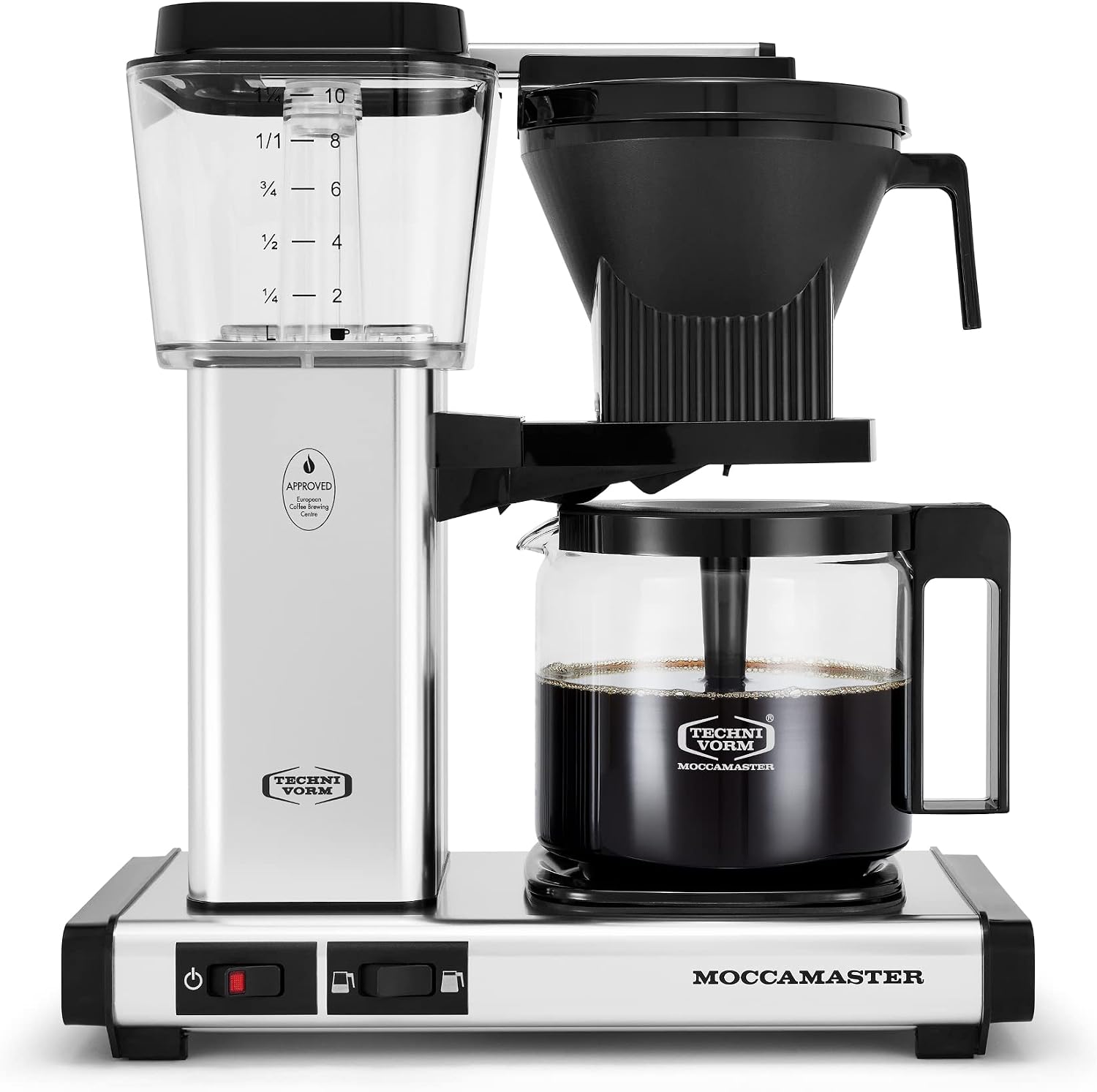
| Best drip coffee (hands‑off, café quality) | Technivorm Moccamaster | SCA‑certified, precise 196‑°F brewing temperature, handcrafted durability |
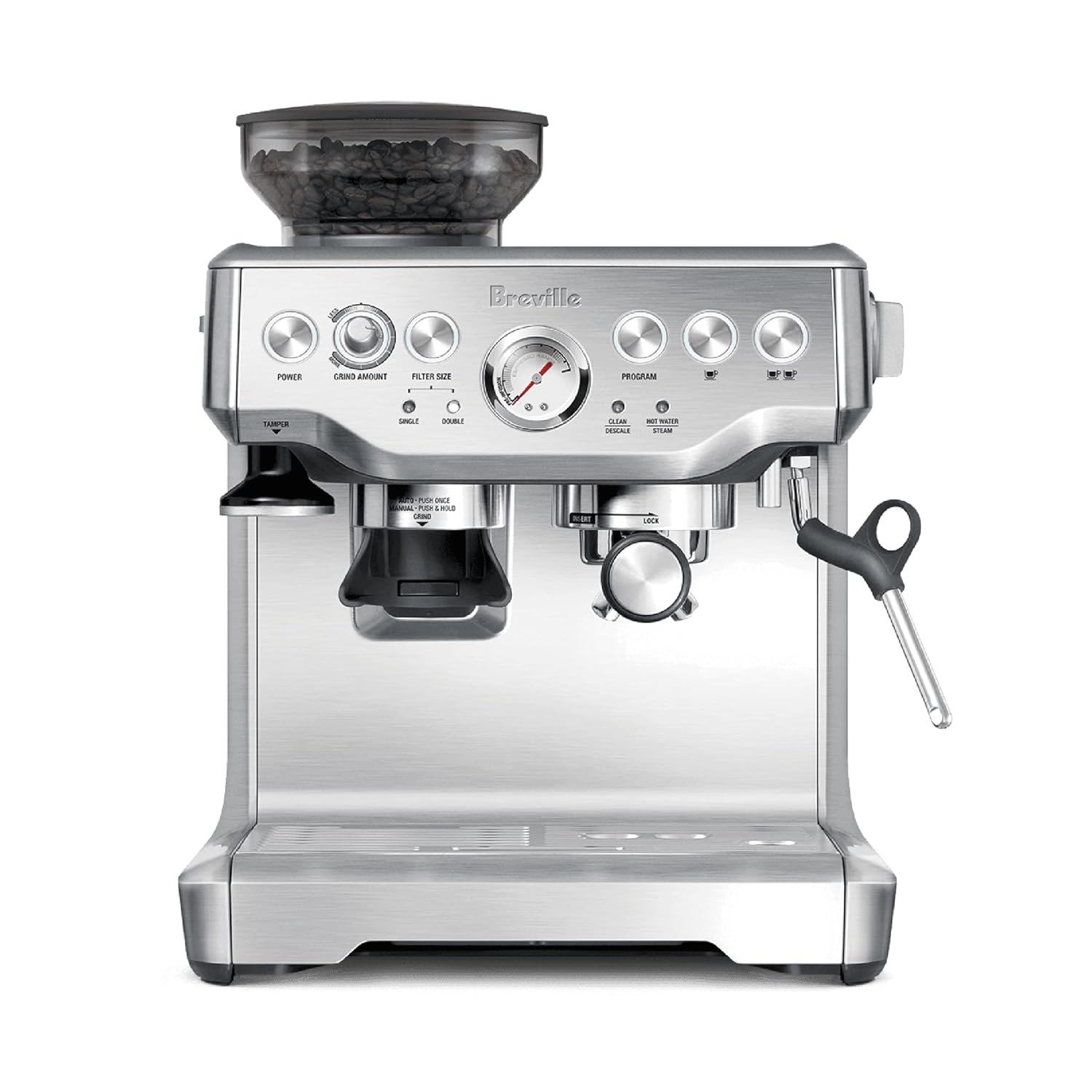
| Best espresso (all‑in‑one grinder + machine) | Breville Barista Express | Integrated conical burr grinder, 15‑bar pump, fine‑tuned temperature control |
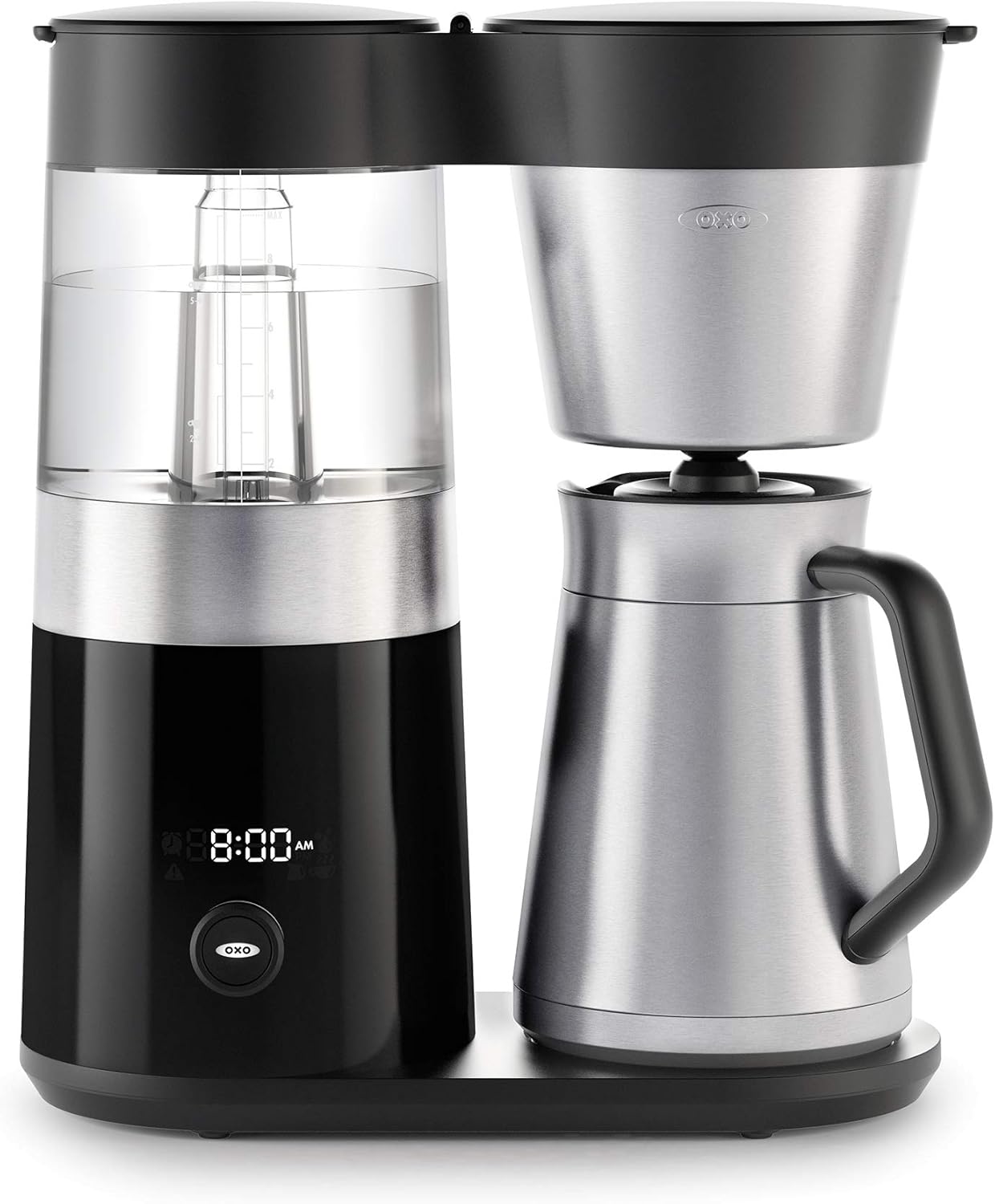
| Best value (great flavor without breaking the bank) | OXO Brew 9‑Cup | Accurate temperature, rain‑maker showerhead, intuitive interface for under $150 |
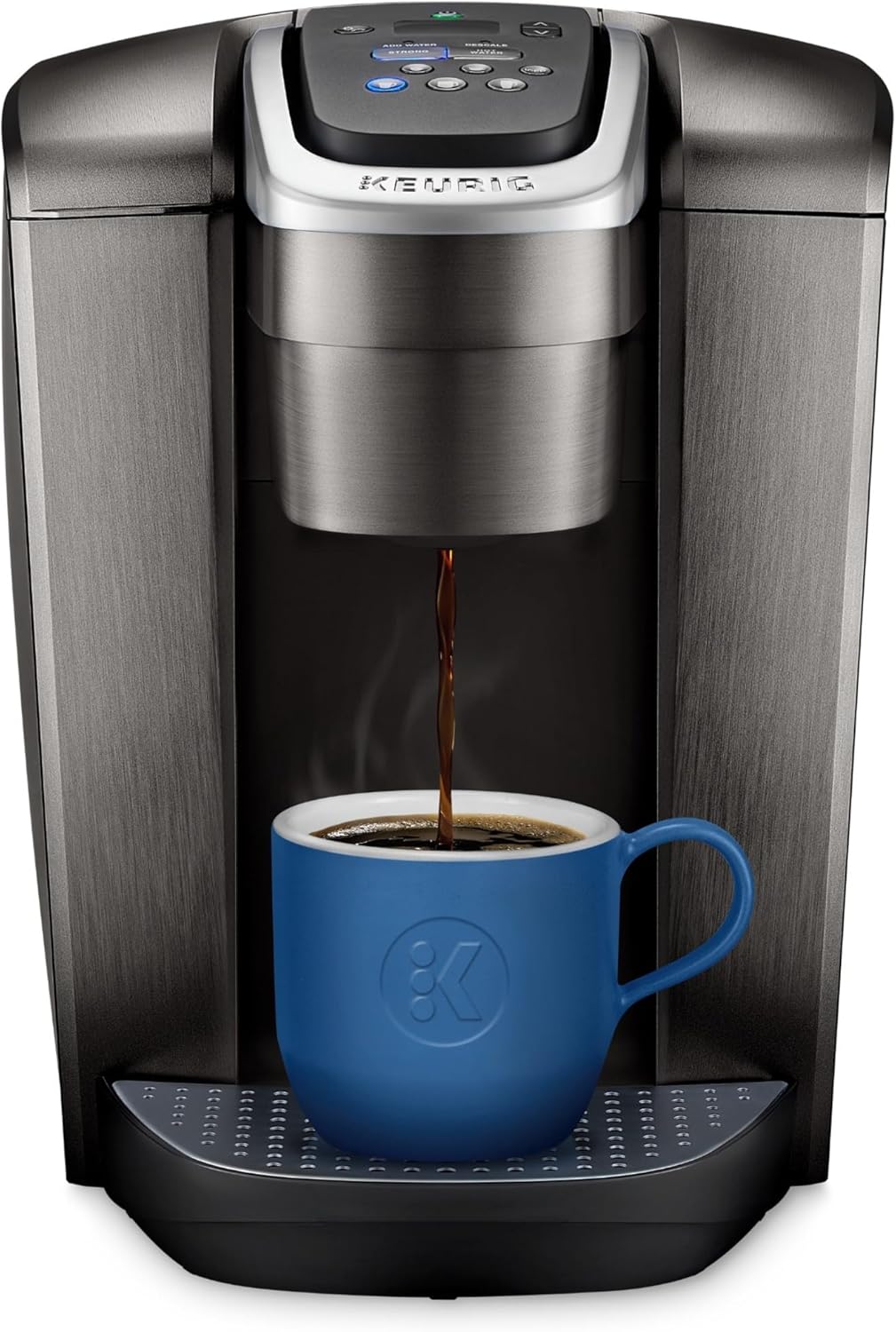
| Best single‑serve (quick cup for one) | Keurig K‑Elite | Strong‑brew button, 75‑oz reservoir, wide pod compatibility, fast brew time |
Comparison at a glance
| Feature | Technivorm Moccamaster | Breville Barista Express | OXO Brew 9‑Cup | Keurig K‑Elite |
|---|---|---|---|---|
| Brew method | Drip (auto‑pause) | Espresso (built‑in grinder) | Drip (thermal carafe) | Single‑serve pod |
| Capacity | 10 cups (1.25 L) | 2 shots (≈1 oz) + 1 L water tank | 9 cups (1.35 L) | 75 oz reservoir (≈9 cups) |
| Brew temperature range | 196 °F ± 2 °F | 190‑205 °F (PID) | 194‑204 °F (± 2 °F) | 190‑210 °F (adjustable) |
| Power (W) | 1200 W | 1500 W | 1450 W | 1500 W |
| Dimensions (in) | 13 × 9 × 15 | 13 × 10 × 15 | 12 × 9 × 15 | 13 × 9 × 14 |
| Weight | 12 lb (5.4 kg) | 23 lb (10.4 kg) | 7.5 lb (3.4 kg) | 9 lb (4.1 kg) |
| Price range (USD) | $300–$350 | $650–$750 | $119–$149 | $120–$150 |
| Rating (our) | 4.6/5 | 4.5/5 | 4.5/5 | 4.5/5 |
| Ideal for | Purists who want drip perfection | Espresso lovers who want a grinder | Budget‑conscious flavor seekers | Quick single‑cup convenience |
What to look for
Choosing the right machine isn’t just about “drip vs. espresso.” Below are the criteria that most directly affect taste, convenience, and long‑term satisfaction.
Brew method & coffee style
| Method | Typical brew time | Flavor profile | Ideal user |
|---|---|---|---|
| Drip (auto‑pause) | 4–6 min for 10 cups | Clean, balanced extraction | Families, office settings |
| Espresso (15‑bar pump) | 25–30 sec per shot | Intense, crema‑rich | Espresso aficionados, latte lovers |
| Single‑serve pod | 30–60 sec per cup | Consistent, but limited bean control | Small households, office desks |
| French press / pour‑over (manual) | 4–5 min | Full‑bodied, customizable | Hands‑on brewers, coffee geeks |
When you know which style you drink most, you can eliminate entire categories. If you love a straight black cup in the morning, a high‑quality drip machine is often the simplest path to café‑grade flavor. If you crave cappuccinos, an espresso machine with a built‑in grinder saves space and cost versus buying two separate units.
Capacity & carafe type
- Standard drip carafe: 8–12 cups (1.0–1.5 L). Good for families or office break rooms.
- Thermal carafe: Keeps coffee hot for 2‑3 hours without a warming plate, which can over‑extract and turn bitter.
- Water reservoir size: A larger reservoir (e.g., 75 oz on the Keurig) reduces refill frequency, but adds bulk.
- Single‑serve pods: Typically 1 cup per brew; ideal when you only need one cup at a time and want minimal waste.
Measure the interior of your countertop or cabinet before you buy. A 13 × 9 × 15‑inch footprint fits most standard kitchen islands, but a 23‑lb espresso machine may require reinforced shelving.
Temperature control & consistency
Coffee extracts best between 195 °F and 205 °F. Machines that let you see the exact temperature (or that are SCA‑certified) give you a measurable edge. Look for:
- Thermostat accuracy: ±2 °F is considered excellent.
- PID (Proportional‑Integral‑Derivative) controllers: Provide stable temperature during espresso extraction.
- Pre‑infusion: Some machines briefly wet the grounds at low pressure before full pressure, improving even extraction.
Grind compatibility & built‑in grinders
If you buy whole beans (which preserve freshness up to 2 weeks longer than pre‑ground), you’ll need a grinder. Options:
- Separate burr grinder: Gives you control over grind size, but adds countertop clutter.
- Integrated conical burr grinder: Found on machines like the Breville Barista Express; saves space and syncs dose with shot volume.
- Blade grinder: Inexpensive but inconsistent; not recommended for espresso.
Ease of use & programmable features
- Auto‑pause: Lets you pour a cup before brewing finishes—handy for those who can’t wait.
- Brew‑strength selector: Adjusts coffee‑to‑water ratio; useful if you like a strong cup in the morning and a milder one later.
- Digital display vs. mechanical controls: Digital panels often allow precise temperature and brew‑time settings, but may be less intuitive for some users.
Cleaning & maintenance
- Removable brew group: Simplifies deep cleaning (common on espresso machines).
- Descaling alerts: Sensors that remind you to run a vinegar or citric‑acid cycle extend the life of the heating element.
- Pod lock‑out: Some single‑serve machines have a “no‑pod” mode for using ground coffee, which can reduce waste.
A machine that requires daily disassembly of multiple parts can become a chore, especially in a busy household.
Noise level
- Drip machines: Typically 45–55 dB during the brew cycle—quiet enough for early‑morning use.
- Espresso machines: Pump noise can reach 60–65 dB, comparable to a dishwasher.
- Pod brewers: Usually around 55 dB, but the pod ejection can add a brief click.
If your kitchen shares walls with a bedroom or a home office, consider a quieter model or place the machine on a silicone mat to dampen vibrations.
Build quality & warranty
- Materials: Stainless steel housings resist dents and rust. BPA‑free plastics are common, but can feel cheap.
- Hand‑made vs. mass‑produced: Hand‑assembled units (like the Moccamaster) often have tighter tolerances and longer warranties (up to 5 years).
- Warranty length: A minimum of 2 years is standard; longer warranties can indicate confidence from the manufacturer.
Footprint & aesthetics
A sleek, brushed‑steel finish can blend with modern kitchens, while retro‑style chrome may suit a vintage décor. Measure both the width and depth, and remember that the height includes the water reservoir or drip tray, which can affect how far you can push the machine back against a wall.
Price vs. features trade‑off
- Under $150: Expect solid temperature control and a decent carafe, but no built‑in grinder or PID.
- $150–$300: You’ll find advanced showerheads, thermal carafes, and sometimes programmable brew cycles.
- $300+: Hand‑crafted construction, SCA certification, integrated grinders, and higher‑end espresso pumps become common.
Technivorm Moccamaster – Best drip
Who it suits
- Coffee purists who value consistency above all.
- Households that drink 8‑10 cups a day and need a machine that can keep up without sacrificing flavor.
- Users who prefer a classic, minimalist design that looks as good on a countertop as it performs.
One thing it does better than the rest The Moccamaster’s copper heating element reaches the optimal brewing temperature of 196 °F ± 2 °F within seconds and maintains it throughout the cycle, a standard set by the Specialty Coffee Association (SCA). This precision translates into a clean, balanced cup that rivals a boutique café.
Honest drawback At $300–$350, it’s a significant upfront investment, and the lack of a built‑in grinder means you’ll need a separate burr grinder if you buy whole beans.
Who should skip it If you’re on a tight budget, need a single‑serve solution, or don’t have space for a 12‑inch‑wide machine, the Moccamaster may feel overkill.
Breville Barista Express – Best espresso
Who it suits
- Espresso enthusiasts who want to grind beans fresh for each shot.
- Small households that enjoy milk‑based drinks (lattes, cappuccinos) and appreciate a steam wand.
- Users comfortable with a learning curve—dialing in grind size, tamp pressure, and extraction time.
One thing it does better than the rest The integrated 15‑bar Italian pump combined with a conical burr grinder (adjustable from fine espresso to coarse drip) lets you go from bean to cup in under two minutes, delivering a rich crema and consistent shot quality without needing a separate grinder.
Honest drawback Its 23‑lb weight and 13 × 10 × 15‑inch footprint can dominate a small countertop, and the learning curve may be intimidating for beginners.
Who should skip it If you only ever drink regular drip coffee, don’t plan to use a steam wand, or have limited counter space, a dedicated espresso machine may be unnecessary.
OXO Brew 9‑Cup – Best value
Who it suits
- Families or roommates who need a reliable 9‑cup drip machine without breaking the bank.
- Users who appreciate a rain‑maker showerhead that evenly saturates grounds for uniform extraction.
- Anyone who wants an intuitive interface (single‑button brew, auto‑pause) and a thermal carafe that keeps coffee hot for up to 2 hours.
One thing it does better than the rest Its precise temperature control (194‑204 °F ± 2 °F) is typically only found in higher‑priced models, delivering barista‑level flavor at a mid‑range price of $119–$149.
Honest drawback The carafe is glass, not thermal, so after about an hour the coffee can start to lose optimal temperature and develop a slight bitter edge.
Who should skip it If you need a thermal carafe for a long‑haul office environment, or you want a machine that can brew espresso, the OXO Brew won’t meet those needs.
Keurig K‑Elite – Best single‑serve
Who it suits
- Solo coffee drinkers who value speed and convenience above all.
- Office break rooms or dorms where multiple users may have different flavor preferences (thanks to the wide pod compatibility).
- Busy parents who need a strong‑brew button for a richer cup without waiting for a full carafe.
One thing it does better than the rest The 75‑oz reservoir reduces refill frequency, and the brew‑strength selector lets you choose between mild, medium, and strong, giving a level of customization rare in pod systems.
Honest drawback Pod waste can add up, and the machine’s plastic housing may feel less premium. Additionally, the coffee’s flavor ceiling is limited by the pod’s pre‑ground quality.
Who should skip it If you’re environmentally conscious about single‑use pods, prefer freshly ground beans, or need a high‑capacity carafe for multiple cups, the K‑Elite isn’t the best fit.
Common mistakes
1. Ignoring brew temperature – A machine that brews at 180 °F will under‑extract, producing sour coffee; at 215 °F it will over‑extract, turning bitter. Always check the temperature specs. 2. Over‑estimating capacity – A 12‑cup carafe sounds generous, but if you only make 2–3 cups a day, you’re wasting energy keeping a large volume of water hot. 3. Skipping the grinder – Whole beans retain flavor up to 14 days; pre‑ground coffee loses aromatics within hours. If you buy a drip machine, pair it with a burr grinder. 4. Neglecting cleaning – Coffee oils coat the brew basket and internal tubing. Failing to descale every 2–3 months leads to slower heating and off‑flavors. 5. Choosing based solely on price – The cheapest model may lack temperature control, leading to inconsistent cups that feel “cheaper” than the machine’s cost.
How to match it to your budget
| Budget tier | Recommended model | What you get | What you might sacrifice |
|---|---|---|---|
| Under $150 | OXO Brew 9‑Cup or Keurig K‑Elite | Precise temperature (OXO) or fast single‑serve (K‑Elite) | No built‑in grinder, limited brew strength control (OXO) |
| $150–$300 | Technivorm Moccamaster | SCA‑certified drip, handcrafted durability | No espresso capability, need separate grinder |
| $300–$500 | (If you had more options, you could consider a higher‑end drip or semi‑automatic espresso) | Higher‑end components, larger water tanks | Still may lack integrated grinder |
| $500+ | Breville Barista Express | Integrated grinder, 15‑bar pump, steam wand | Larger footprint, steeper learning curve |
When budgeting, factor in accessories—a good burr grinder can cost $80–$200, and a high‑quality thermal carafe adds $30–$60. These add‑ons can bring a “budget” drip machine up to café quality.
Who should skip this
- Minimalists who keep only a few appliances on the counter may prefer a simple pour‑over or French press, which require no electricity or plumbing.
- Large‑scale office environments that need to serve 20+ cups per hour should look at commercial brewers rather than a residential unit.
- People with severe allergies to coffee oils should consider a machine with a removable brew basket that can be thoroughly cleaned, or opt for a paper‑filter‑only system.
FAQ
Q1: I have a tiny countertop (under 10 in wide). Which coffee maker fits best? A: Look for a narrow footprint. The Keurig K‑Elite measures 13 × 9 × 14 in, but its base is only 9 in wide, making it one of the slimmest options. The OXO Brew’s 12‑inch width may be tight, while the Moccamaster’s 13‑inch width could be too large for very narrow spaces.
Q2: My kitchen is shared with a roommate who hates the smell of coffee. How can I keep the brew area discreet? A: Choose a machine with a quiet brew cycle and a thermal carafe (like the OXO Brew) to reduce the need for a warming plate that can emit steam. Also, place the machine on a mat to muffle vibrations and store the coffee grounds in an airtight container to keep aromas contained.
Q3: Does a higher‑wattage machine mean better coffee? A: Not necessarily. Wattage (e.g., 1200 W vs. 1500 W) mainly affects how quickly the water reaches brewing temperature. Consistency of temperature and proper extraction time are more critical for flavor than raw power.
Q4: I’m environmentally conscious. Are pod machines worth it? A: Pods generate waste, though many brands now offer recyclable or compostable options. If sustainability is a priority, a drip or espresso machine paired with a burr grinder and reusable filters will have a smaller environmental footprint.
Q5: My family includes a teenager who wants a strong coffee. Can I adjust strength on a drip machine? A: Yes—machines like the Keurig K‑Elite have a brew‑strength selector, and the OXO Brew offers a “strong” setting that increases coffee‑to‑water ratio. For drip machines without a strength button, you can manually use a finer grind or add a bit more coffee grounds per cup.
Q6: I hear espresso machines can be noisy. Will the Breville Barista Express disturb a home office? A: The pump can reach 60‑65 dB, similar to a dishwasher. If your office is directly adjacent, consider placing the machine on a rubber mat and using a noise‑absorbing barrier (e.g., a small bookshelf) to reduce sound transmission.
The bottom line
Choosing a coffee maker is less about brand hype and more about matching brew style, capacity, and budget to your daily routine. If you crave drip perfection, the Technivorm Moccamaster delivers unmatched temperature consistency. For espresso lovers, the Breville Barista Express packs a grinder and steam wand into one compact unit. The OXO Brew 9‑Cup offers barista‑level flavor at a friendly price, while the Keurig K‑Elite shines for single‑serve speed and convenience. By weighing the criteria outlined above—temperature control, capacity, footprint, and maintenance—you can confidently select the machine that fits your kitchen and your coffee cravings. Happy brewing!
Browse every coffee makers on Amazon
Our picks are the ones we would buy — but if none of them fit your desk or budget, here is the full range with live prices and customer reviews.
🔎 See all coffee makers on Amazon →Common questions
What are the best coffee makers right now?
Our top pick is the Technivorm Moccamaster. The Moccamaster is SCA‑certified, handmade in the Netherlands, and brews at the optimal temperature, delivering café‑quality coffee at home.
How much should I spend on coffee makers?
Across the 4 models we compare here, typical street prices run from $120–$150 at the low end up to $300–$350. Most people are best served in the middle bracket — the cheapest option usually gives up build quality, the most expensive buys refinement you only notice with daily use.
Are budget coffee makers worth buying?
For light or occasional use, yes — the Keurig K-Elite covers the basics. If you use it every working day, stepping up one bracket is usually the cheaper decision over a couple of years.