SmartPicks
How to Pick the Right Air Fryer for Your Kitchen
Disclosure: this page contains affiliate links. If you buy through them, we may earn a commission at no extra cost to you. We only recommend products we would use ourselves.
If you’re wondering how to pick the right air fryer for your kitchen, you’ve come to the right place. I’ve spent countless evenings comparing capacity, power draw, and ease‑of‑use so you don’t have to. Below you’ll find a step‑by‑step guide that walks you through the most important features, the trade‑offs you’ll encounter, and which of the top models fits different cooking styles and budgets.
Quick picks
| Need | Model | Why it works |
|---|---|---|
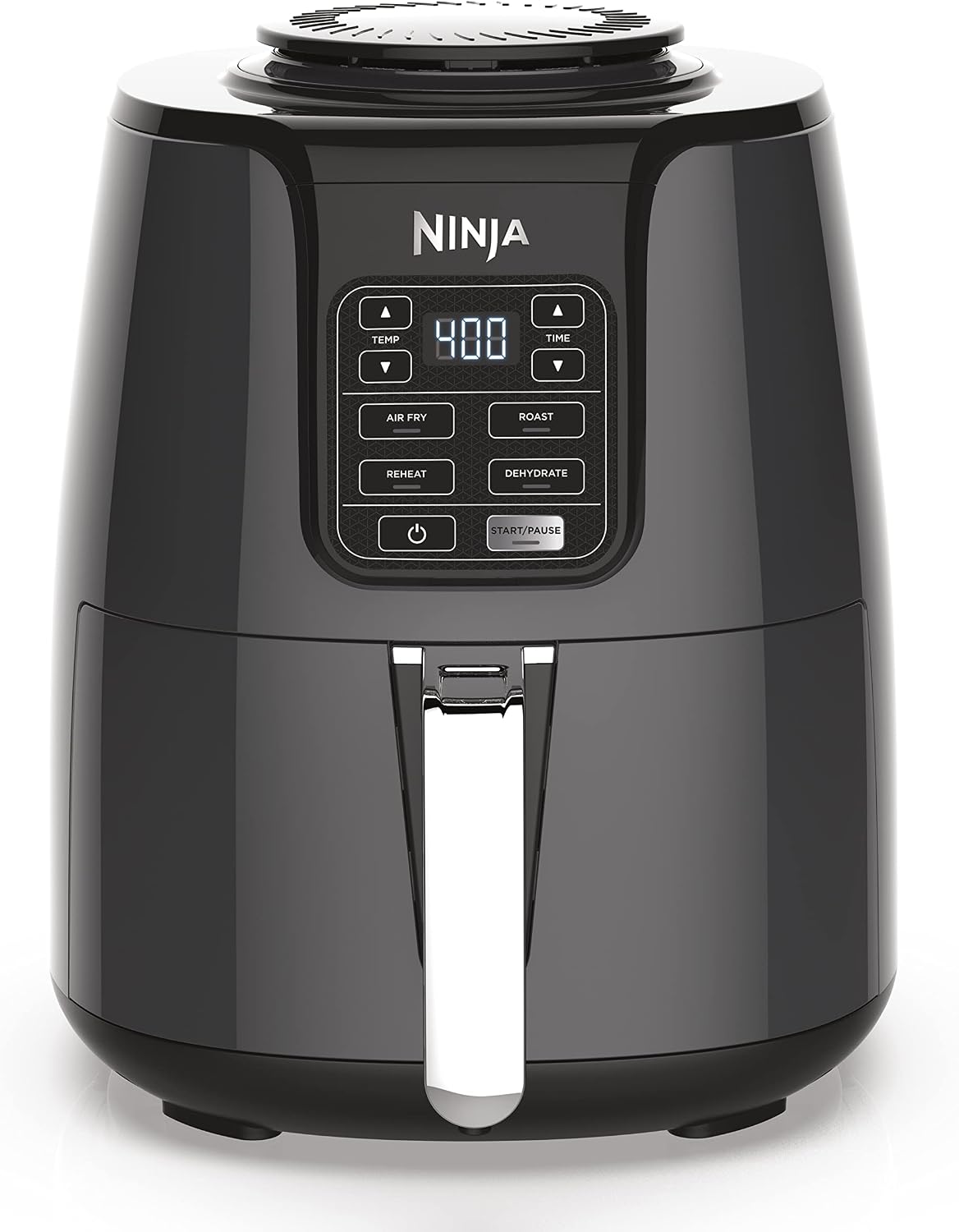
| Best overall | Ninja AF101 | Compact 4‑qt bowl, rapid even crisping, ultra‑simple dial controls |
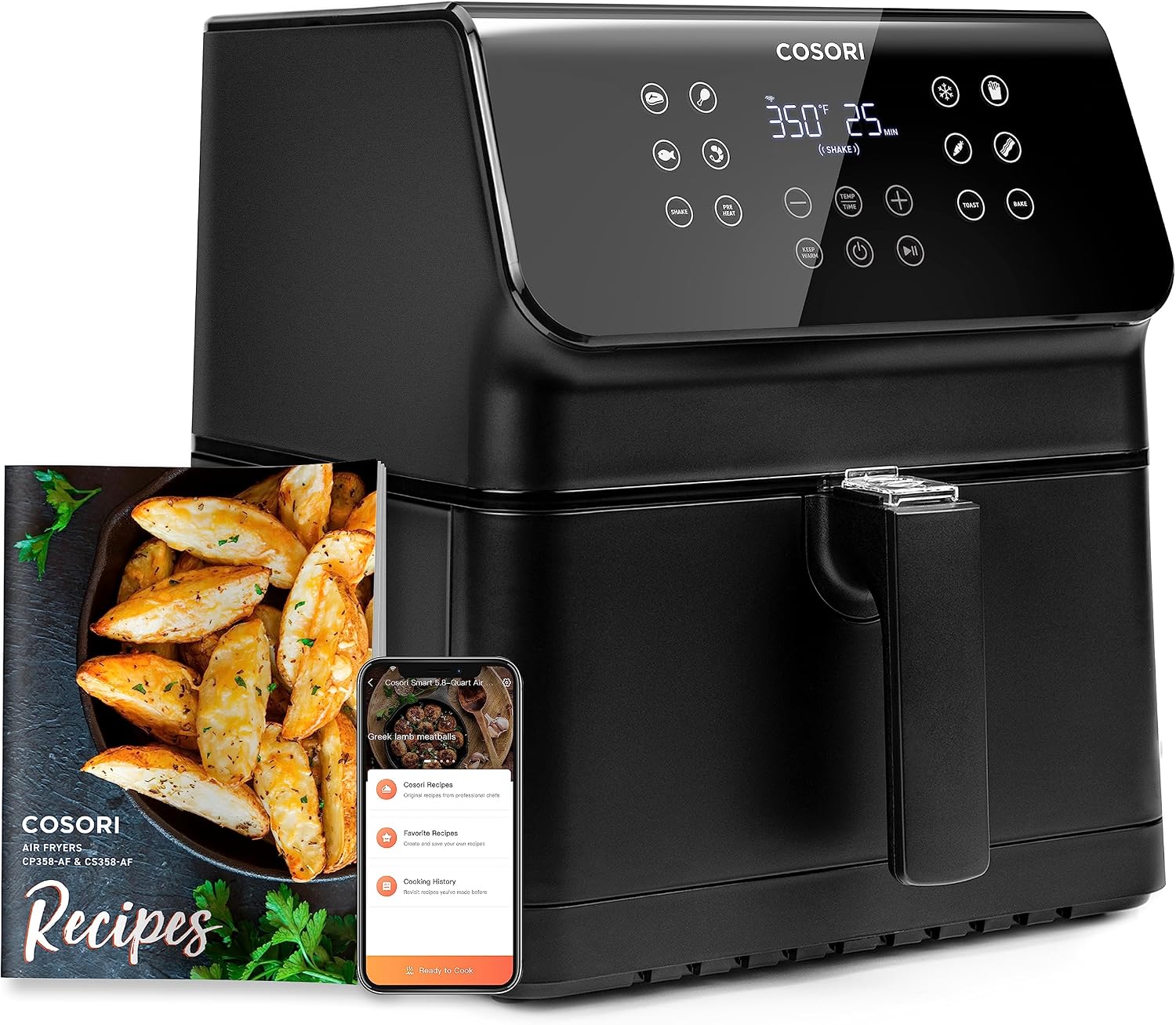
| Best value | Cosori Pro II | Large 5.8‑qt basket, 12 presets, rapid‑air tech at a friendly price |
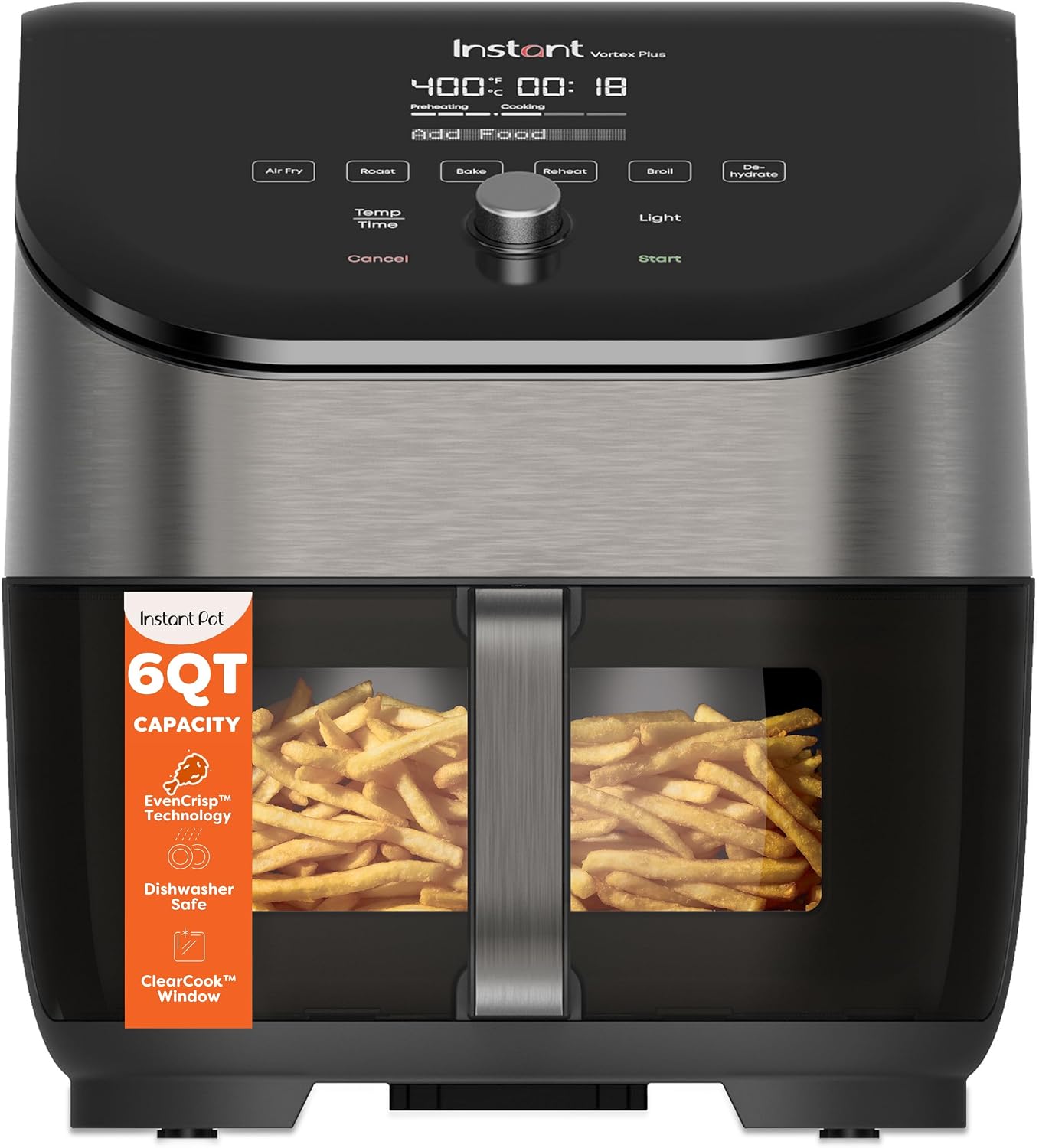
| Best all‑rounder | Instant Vortex Plus | 7‑in‑1 functions, clear‑view window, solid performance across fry, roast, bake, dehydrate |
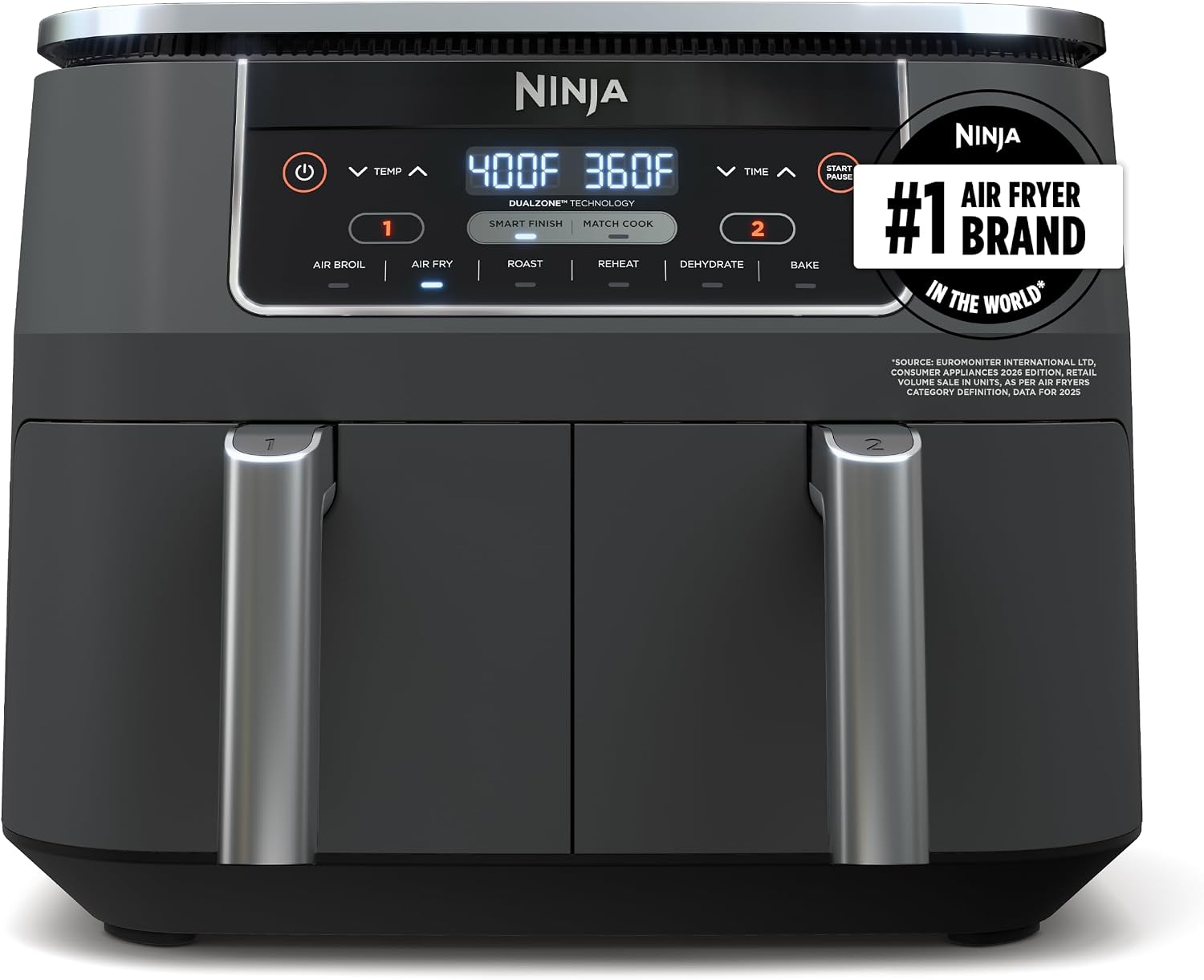
| Best for families | Ninja Foodi DualZone | Two independent cooking zones, separate temps/timers, perfect for multitasking |
At a glance: comparison table
| Model | Capacity | Power (W) | Cooking functions | Controls | Typical price* | Rating |
|---|---|---|---|---|---|---|
| Ninja AF101 | 4 qt (≈3.8 L) | 1550 W | Air fry, roast, reheat, dehydrate | Dial + simple button | $80‑$120 | 4.3/5 |
| Cosori Pro II | 5.8 qt (≈5.5 L) | 1700 W | Air fry, bake, roast, dehydrate, reheat, broil, keep warm, grill, toast, rotisserie, pizza | Digital touchscreen | $119‑$149 | 4.5/5 |
| Instant Vortex Plus | 6 qt (≈5.7 L) | 1700 W | Air fry, roast, bake, broil, dehydrate, reheat, rotisserie | Digital touchscreen + window | $100‑$150 | 4.5/5 |
| Ninja Foodi DualZone | 8 qt total (2 × 4 qt zones) | 1800 W | Air fry, roast, bake, dehydrate, grill, keep warm, reheat, dual‑zone cooking | Digital touchscreen + dual dials | $199‑$229 | 4.5/5 |
\*Prices are typical retail ranges in the U.S. and can vary by retailer and promotions.
What to look for
Choosing an air fryer isn’t just about “bigger is better.” Below are the criteria that actually affect how the appliance fits into your daily routine.
Capacity & basket size
- Volume matters: Most single‑basket units range from 3 qt (≈3.8 L) to 6 qt (≈5.7 L). A 4‑qt basket comfortably fits a 12‑inch pizza or a family‑size batch of fries. Anything larger than 6 qt can start to dominate countertop space.
- Shape: Square baskets give you more usable floor area than round ones because the corners can hold food without crowding.
- Family vs solo cooking: If you regularly cook for 4‑6 people, aim for at least 5 qt. For a single adult or a couple, 3‑4 qt is usually enough and saves space.
Power & wattage
- Wattage determines heat‑up speed: Units between 1500 W and 1800 W typically reach 400 °F (204 °C) in 2‑3 minutes. Lower wattage models may take 5‑6 minutes, which can affect crispness.
- Energy consumption: A 1700 W fryer running for 30 minutes uses about 0.85 kWh—roughly the same as a light bulb left on for a few hours. If you’re energy‑conscious, look for models with an “eco‑mode” or automatic shut‑off.
Temperature range
- Low‑end cooking: 180 °F (82 °C) is useful for gentle dehydration or keeping food warm.
- High‑end crisping: 400‑425 °F (204‑218 °C) is needed for that restaurant‑style crunch on chicken wings or frozen fries.
- Adjustability: A 10‑degree increment gives you fine control; 5‑degree steps are a bonus for delicate pastries.
Timer & auto‑shutoff
- Standard timers: 30‑minute digital timers are common and sufficient for most recipes.
- Extended timers: Some models go up to 60 minutes, useful for larger roasts or multi‑stage cooking.
- Auto‑shutoff: Prevents overcooking and adds a safety net if you’re distracted. Look for a feature that also cuts power to the heating element, not just the fan.
Cooking functions & presets
- Basic vs. multi‑function: At a minimum you want air‑fry, roast, and reheat. Higher‑end models add bake, broil, dehydrate, rotisserie, and keep‑warm.
- Preset programs: 8‑12 one‑touch presets (e.g., “French fries,” “Chicken,” “Steak”) are convenient for beginners but can be limiting if you like to experiment.
- Custom programs: Ability to save your own temperature/time combos is a nice flexibility boost.
Controls: dial vs. digital
- Dial controls: Simple, no‑learning curve, and work during power outages. They’re typically found on budget‑friendly units.
- Digital touchscreens: Offer precise temperature entry, preset selection, and sometimes a clear‑view window. The downside is they can be less tactile and may be harder to clean if you have greasy fingers.
- Hybrid: Some models combine a digital display with a physical knob for quick temperature changes—great for those who want the best of both worlds.
Build quality & materials
- Housing: Stainless steel exteriors are durable and resist fingerprints, but they add weight (often 12‑15 lb). Plastic housings are lighter (8‑10 lb) but can feel cheap and may warp over time.
- Basket coating: Non‑stick ceramic or PTFE‑free coatings are common. Ceramic tends to be more scratch‑resistant, while PTFE‑free options avoid potential health concerns with high heat.
- Weight: Heavier units stay put during vigorous shaking but are harder to move for cleaning. A 10‑lb unit strikes a good balance.
Footprint & storage
- Dimensions: Typical single‑basket models sit around 12 × 12 × 13 in (30 × 30 × 33 cm). Dual‑zone units can be 15 × 14 × 14 in (38 × 36 × 36 cm). Measure your countertop or cabinet space before buying.
- Cord length: 4‑ft cords are standard; longer cords can be a tripping hazard but give flexibility in cramped kitchens.
- Stackability: Some baskets are designed to nest inside each other for compact storage—useful if you have limited cabinet space.
Noise level
- Decibel range: Most air fryers operate between 55 dB and 70 dB. For reference, 60 dB is about the sound of normal conversation. Units with a “quiet‑mode” fan run at the lower end of this range.
- Impact on open‑plan living: If you cook while watching TV or working from home, a quieter model will be less intrusive.
Accessories & versatility
- Included accessories: Racks, crisper plates, and rotisserie kits add cooking options without extra purchases.
- Compatibility: Some brands offer additional accessories (e.g., baking pans) that fit only their basket dimensions. Check the accessory ecosystem if you plan to expand your cooking repertoire.
- Multi‑zone capability: Dual‑zone units let you cook two dishes at different temperatures simultaneously—a huge time‑saver for families.
Cleaning & dishwasher safety
- Dishwasher‑safe parts: Look for a basket and crisper plate that are labeled dishwasher‑safe (top rack). This can cut cleaning time in half.
- Ease of wipe‑down: Smooth, non‑textured interiors reduce food residue buildup. A clear‑view window can be a cleaning challenge if it fogs up frequently.
- Self‑cleaning cycles: Some higher‑end models have a “clean” function that runs the fan at high speed to blow out crumbs—handy but not a substitute for regular manual cleaning.
Safety features
- Cool‑touch exterior: Prevents accidental burns when you’re reaching in after a cooking cycle.
- Auto‑shutoff & overheat protection: Essential for households with children or pets.
- Non‑slip feet: Keep the unit stable on smooth countertops during vigorous shaking.
Ninja AF101 – Best overall
Who it suits
I love the Ninja AF101 if you have a modest kitchen and want a no‑frills, reliable air fryer that fits on a standard countertop. It’s perfect for singles, couples, or anyone who values speed over a massive basket. The 4‑qt capacity handles a family‑size bag of frozen fries or a 12‑inch pizza without crowding.
One thing it does better than the rest
Its rapid, even crisping is the standout. The 1550 W heating element and optimized airflow create a crisp exterior in just 15‑20 minutes for frozen foods, beating out many larger units that take longer to reach the same level of crunch.
Honest drawback
The control interface is purely mechanical—a dial for temperature and a single button for timer. While that makes it simple, you miss out on preset programs and a digital readout, which can be inconvenient if you like to set precise temperatures like 375 °F for chicken thighs.
Who should skip it
If you regularly cook for more than four people, need a rotisserie function, or want a built‑in window to monitor cooking, you’ll likely feel limited by the AF101’s single‑basket design and basic controls.
Cosori Pro II – Best value
Who it suits
The Cosori Pro II is my go‑to recommendation for budget‑conscious cooks who still want a feature‑rich experience. Its 5.8‑qt basket gives you room for a whole chicken, a batch of onion rings, or a layered vegetable medley. The 12 preset programs make it easy for beginners, while the digital touchscreen satisfies tech‑savvy users.
One thing it does better than the rest
Its preset program library is the most extensive among the four. Whether you select “Steak,” “Fish,” or “Pizza,” the unit automatically adjusts temperature and time, delivering consistent results without trial‑and‑error.
Honest drawback
The basket’s non‑stick coating can wear after about 100‑150 uses if you use metal utensils or abrasive sponges. While the coating is PTFE‑free, you’ll need to be gentle or consider replacing the basket after a year of heavy use.
Who should skip it
If you have a very small countertop (under 10 × 10 in) or you’re looking for a dual‑zone capability, the Pro II’s footprint and single‑basket design may be too bulky.
Instant Vortex Plus – Best all‑rounder
Who it suits
I recommend the Instant Vortex Plus for cooks who want a true multi‑function kitchen workhorse. Its 7‑in‑1 capabilities (air fry, roast, bake, broil, dehydrate, reheat, rotisserie) replace several countertop appliances, making it ideal for small apartments or anyone who likes to experiment with recipes beyond classic fries.
One thing it does better than the rest
The clear‑view window lets you peek at the food without opening the basket, preserving heat and moisture. This is a game‑changer for delicate items like fish fillets or when you’re dehydrating fruit and need to monitor progress.
Honest drawback
The digital touchscreen can be finicky when your hands are greasy. The screen may not respond as quickly as a dial, and cleaning the glass surface requires a soft cloth to avoid streaks.
Who should skip it
If you prefer a completely hands‑off, dial‑only experience, or you’re extremely sensitive to noise (the Vortex’s fan can hit 68 dB at high speed), you might find the touchscreen and fan noise a bit off-putting.
Ninja Foodi DualZone – Best for families
Who it suits
The DualZone is a dream for families, meal‑preppers, and anyone who loves to multitask. With two independent 4‑qt zones, you can air‑fry chicken wings in one basket while roasting vegetables in the other, each at its own temperature and timer. The total 8‑qt capacity is enough for a small turkey or two separate dishes for dinner.
One thing it does better than the rest
Dual‑zone independent cooking is unique in this price range. It saves you time by eliminating the need to cook sequentially, and the separate controls prevent flavor crossover—no more “fried chicken smell” in your veggie basket.
Honest drawback
The price point is higher than the other models, and the unit’s larger footprint (about 15 × 14 × 14 in) can dominate a busy countertop. If you don’t need two zones, you may be paying for capability you won’t use.
Who should skip it
Singles, couples, or anyone with limited counter space who rarely cooks more than one dish at a time will likely find the DualZone overkill and better off with a smaller, cheaper unit.
Common mistakes
1. Over‑estimating capacity – Buying the biggest basket you can find often means you’ll have a unit that sits on the counter like a small fridge. Most recipes for a family of four fit comfortably in a 5‑qt basket; anything larger is usually unnecessary. 2. Ignoring wattage – A lower‑watt model may seem cheaper, but it will take longer to preheat and may not achieve the high temperatures needed for true crispness. This can lead to soggy results and extra oil usage. 3. Skipping the cleaning step – Food particles left in the basket can burn on the next cycle, creating off‑flavors. Even if the basket is dishwasher‑safe, a quick hand‑wipe after each use prolongs the non‑stick coating. 4. Relying solely on presets – Presets are convenient, but they’re based on average portion sizes. Adjust the time and temperature for your specific ingredients to avoid under‑ or over‑cooking. 5. Neglecting safety features – If you have kids or pets, make sure the unit has a cool‑touch exterior and an automatic shut‑off. Some cheaper models lack these safeguards.
How to match it to your budget
| Budget tier | What you get | Ideal model |
|---|---|---|
| $80‑$120 | Basic air fry, simple dial, 3‑4 qt capacity, 1500‑W power | Ninja AF101 |
| $120‑$150 | Digital touchscreen, 5‑6 qt basket, 12‑plus presets, 1700‑W power | Cosori Pro II or Instant Vortex Plus |
| $150‑$230 | Dual‑zone cooking, 8 qt total, separate timers, extra accessories | Ninja Foodi DualZone |
| $230+ | Commercial‑grade power, larger capacity (>8 qt), advanced connectivity (Wi‑Fi, app control) – not covered in this guide | — |
When you’re deciding, start by listing the features you can’t live without (e.g., dual zones, rotisserie, or a specific capacity). Then compare the price differences. Often the jump from $120 to $150 brings a digital interface and larger basket—if those matter, the extra $30 is worth it. If you’re strictly watching the wallet, the Ninja AF101 still delivers crisp results without the bells and whistles.
Who should skip this
Air fryers excel at producing a crispy texture with little to no oil, but they aren’t a universal replacement for every cooking method. You might want to skip an air fryer if:
* You rarely cook frozen or breaded foods and instead focus on soups, stews, or salads. * Your kitchen lacks a stable, heat‑resistant countertop—air fryers need at least a 12‑inch clearance on all sides for ventilation. * You’re extremely sensitive to noise and can’t tolerate the fan hum (especially models above 65 dB). * You already own a convection oven that meets your capacity needs; an air fryer may be redundant.
FAQ
Q1. Will an air fryer replace my deep fryer? A: An air fryer can produce a similar crisp texture using 70‑80 % less oil, which is great for reducing calorie intake. However, the flavor profile of deep‑fried foods—especially those that rely on oil immersion for a certain mouthfeel—may be slightly different. If you love classic fried chicken, you might still keep a small deep fryer for occasional use.
Q2. My kitchen is tiny; can I still fit an air fryer? A: Yes, but you need to measure carefully. Look for models under 12 × 12 × 13 in (30 × 30 × 33 cm) like the Ninja AF101. If you need a larger basket, consider a collapsible or stackable design, but be prepared for a slightly larger footprint.
Q3. How noisy are air fryers, and does it matter? A: Most units run between 55 dB and 70 dB. The Ninja AF101 and Cosori Pro II sit near the lower end, while the Instant Vortex Plus can be louder during the “roast” mode. If you work from home or have an open‑plan living area, a quieter model will be less disruptive.
Q4. Can I dehydrate fruit and make jerky in an air fryer? A: Absolutely. The Cosori Pro II, Instant Vortex Plus, and Ninja Foodi DualZone all have a dedicated dehydrate function, typically running at 120‑140 °F (49‑60 °C) for 6‑12 hours. Make sure the basket has a perforated tray or use a separate dehydrate rack for optimal airflow.
Q5. I have limited counter space—should I get a dual‑zone unit? A: Dual‑zone units like the Ninja Foodi DualZone provide two cooking chambers in one footprint, which can actually save space compared to using two separate single‑basket fryers. However, the overall footprint is larger than a standard 4‑qt model, so measure your countertop first.
Q6. My kids love to help in the kitchen—are air fryers safe for them? A: Look for models with a cool‑touch exterior and automatic shut‑off. The Ninja Foodi DualZone and Instant Vortex Plus both have these safety features. Keep the cord out of reach and supervise any handling of hot baskets.
The bottom line
Picking the right air fryer hinges on matching capacity, power, and function to your cooking habits and kitchen real‑estate. The Ninja AF101 offers straightforward, fast crisping for small households; the Cosori Pro II gives you the most presets for the price; the Instant Vortex Plus adds a clear‑view window and true multi‑functionality; and the Ninja Foodi DualZone shines when you need to cook two dishes at once. By weighing the criteria above—capacity, wattage, controls, and safety—you can confidently choose the model that fits your lifestyle without overspending. Happy frying!
Browse every air fryers on Amazon
Our picks are the ones we would buy — but if none of them fit your desk or budget, here is the full range with live prices and customer reviews.
🔎 See all air fryers on Amazon →Common questions
What are the best air fryers right now?
Our top pick is the Ninja AF101. The AF101 delivers rapid, even crisping in a compact 4‑quart bowl, and its simple dial controls make it foolproof—no extra accessories needed.
How much should I spend on air fryers?
Across the 4 models we compare here, typical street prices run from $199–$229 at the low end up to $48.99. Most people are best served in the middle bracket — the cheapest option usually gives up build quality, the most expensive buys refinement you only notice with daily use.
Are budget air fryers worth buying?
For light or occasional use, yes — the Ninja AF101 covers the basics. If you use it every working day, stepping up one bracket is usually the cheaper decision over a couple of years.