SmartPicks

How to Choose an Ergonomic Mouse
Disclosure: this page contains affiliate links. If you buy through them, we may earn a commission at no extra cost to you. We only recommend products we would use ourselves.
If you spend a few hours a day at a desk, the way you move your hand can make a big difference in comfort and productivity. In this guide I walk you through how to choose an ergonomic mouse that fits your work style, hand size, and budget, and I break down the real‑world strengths and compromises of the most popular options on the market today.
Quick picks
| Need | Model | Why it shines |
|---|---|---|
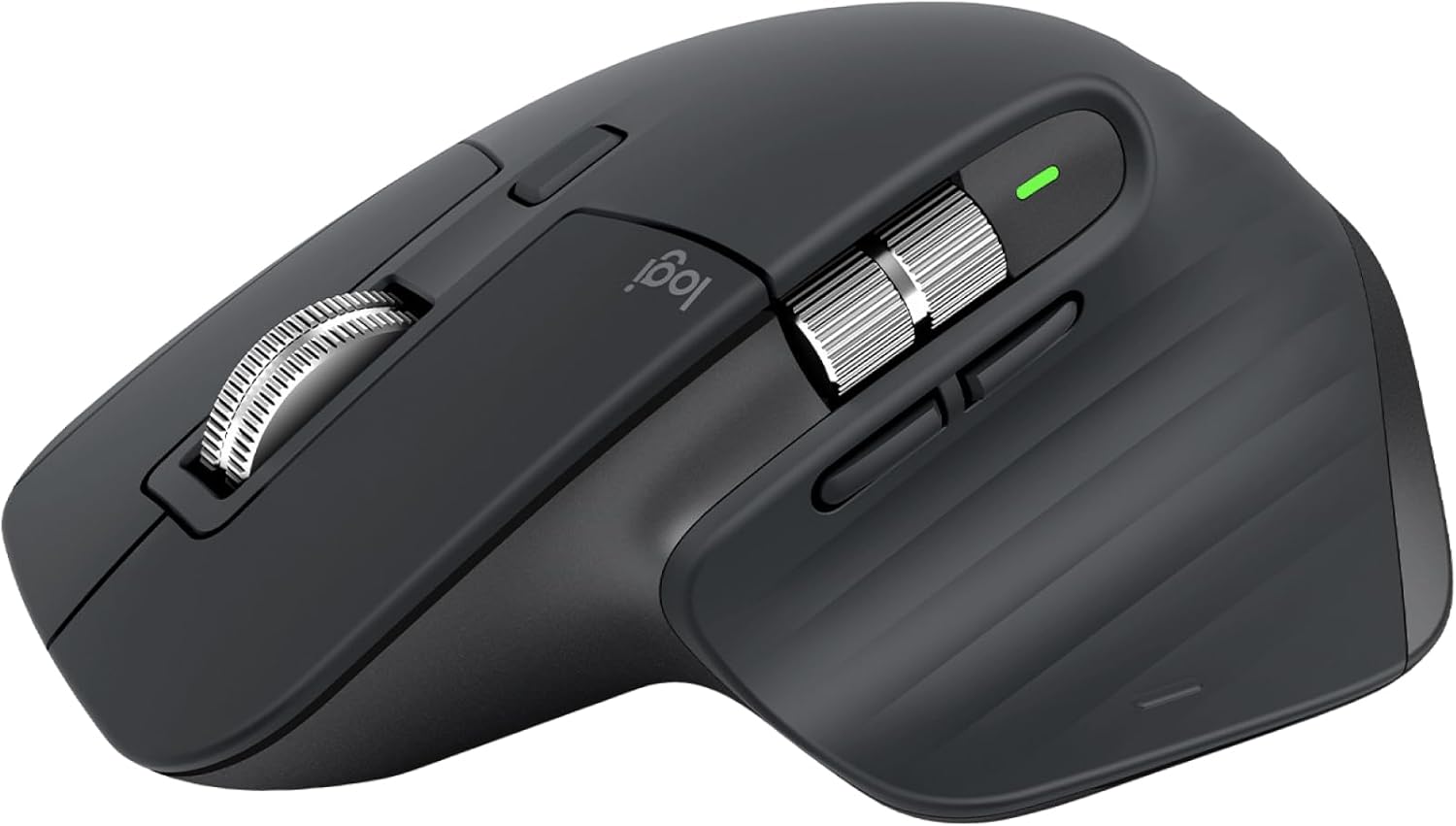
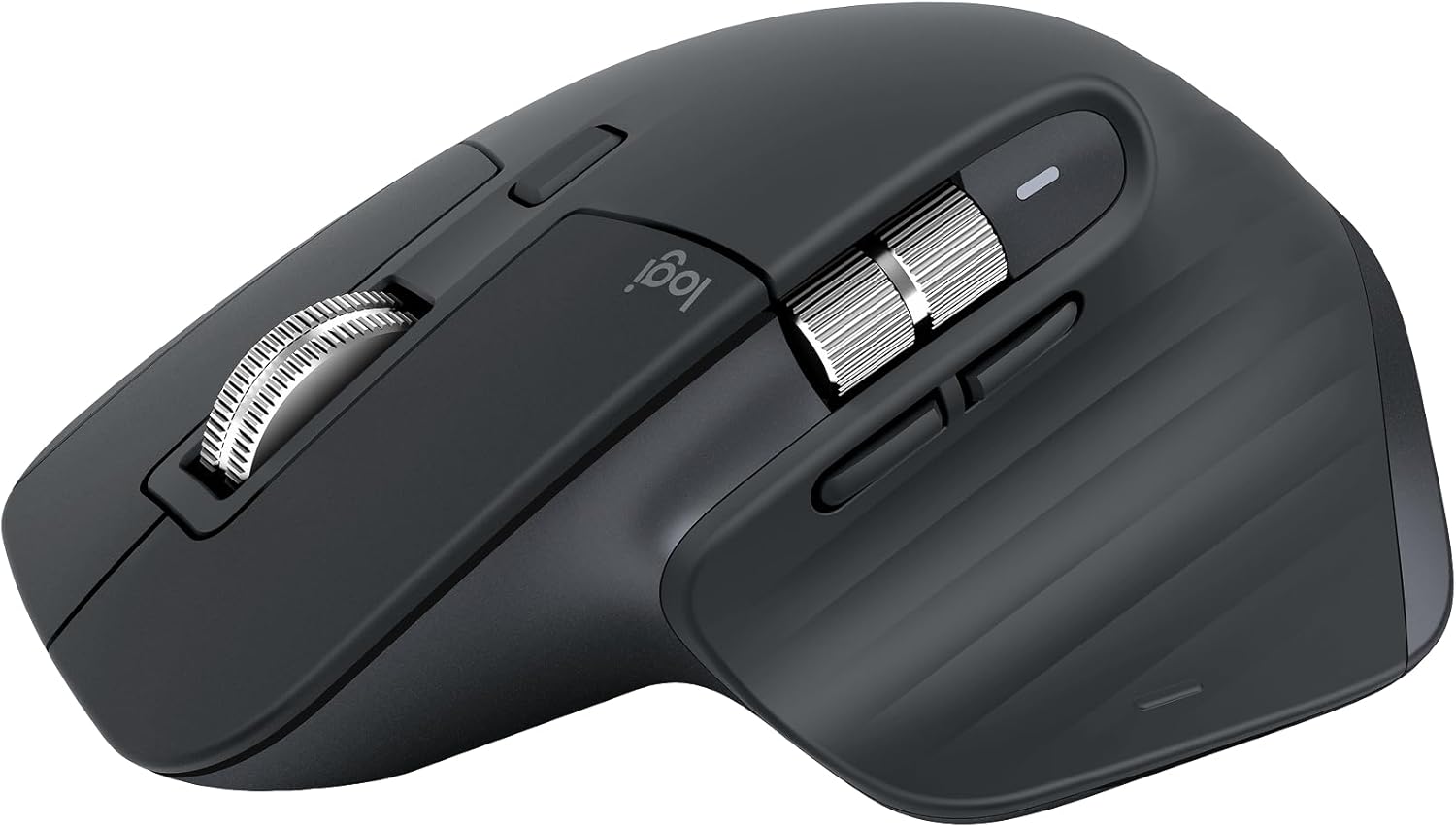
| Best overall | Logitech MX Master 3S | Ultra‑quiet clicks, high‑precision sensor, and a sculpted shape that works for most right‑handed users. |
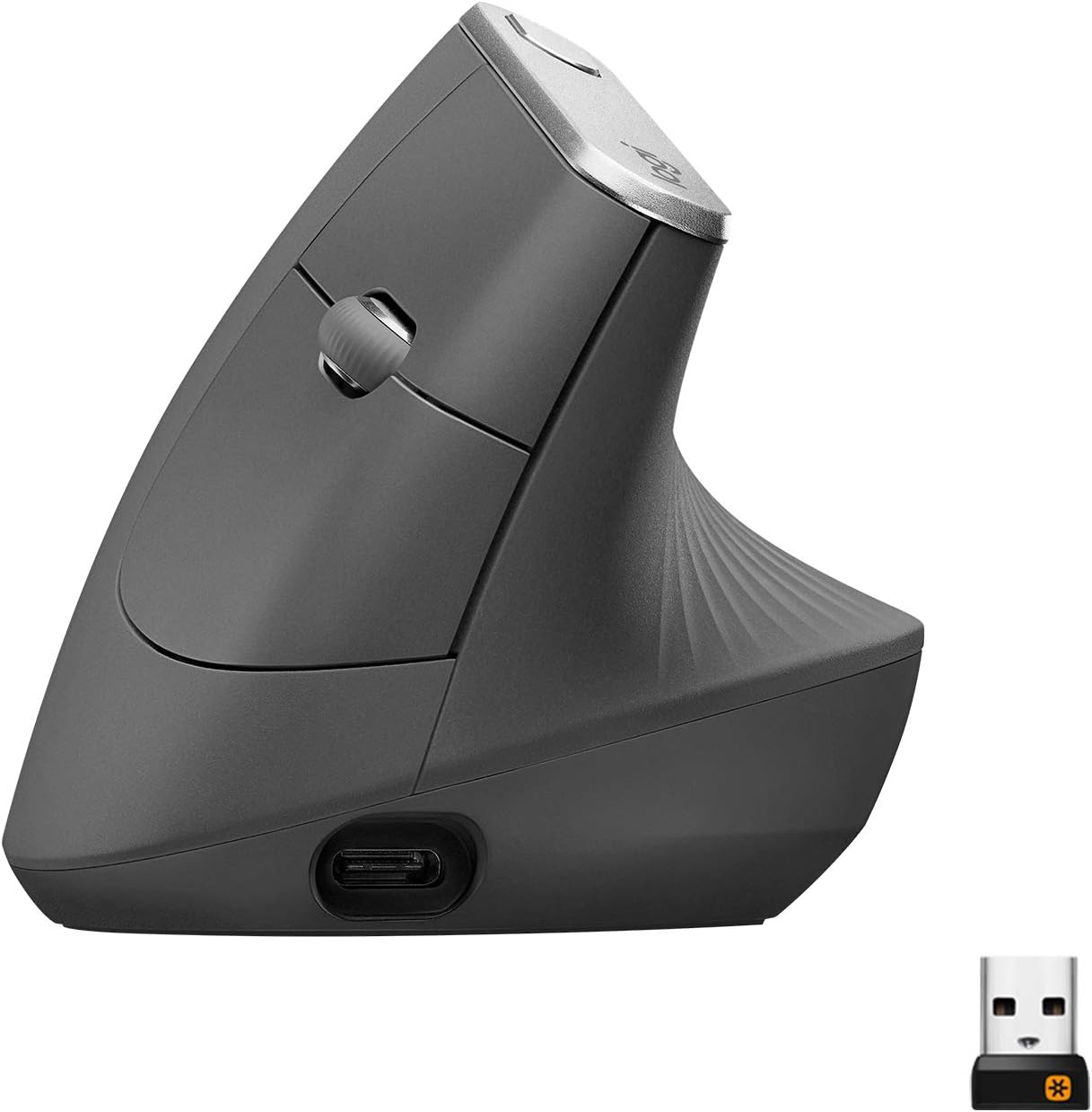
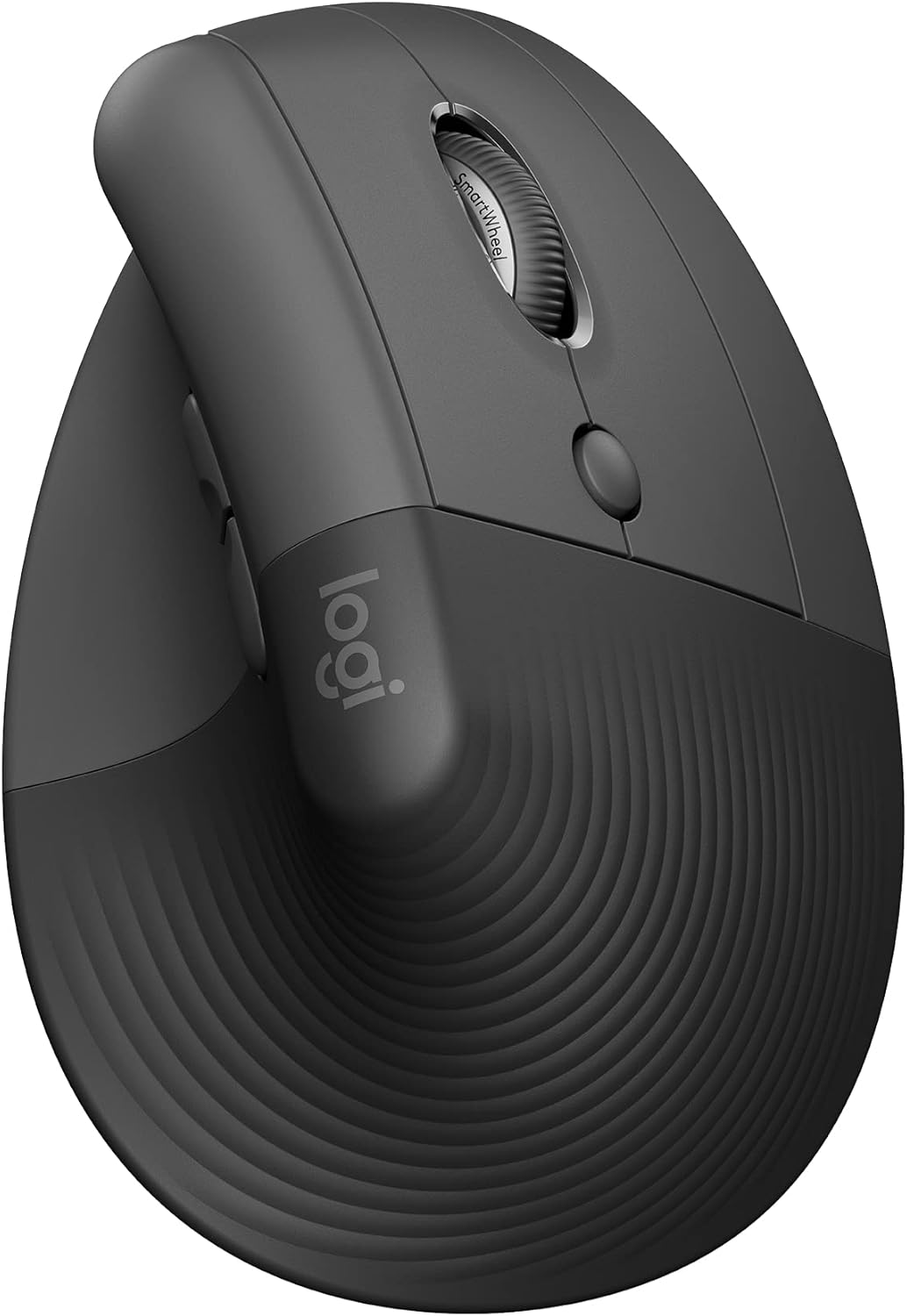
| Best vertical | Logitech MX Vertical | 57° handshake angle that truly rotates your forearm into a natural position. |
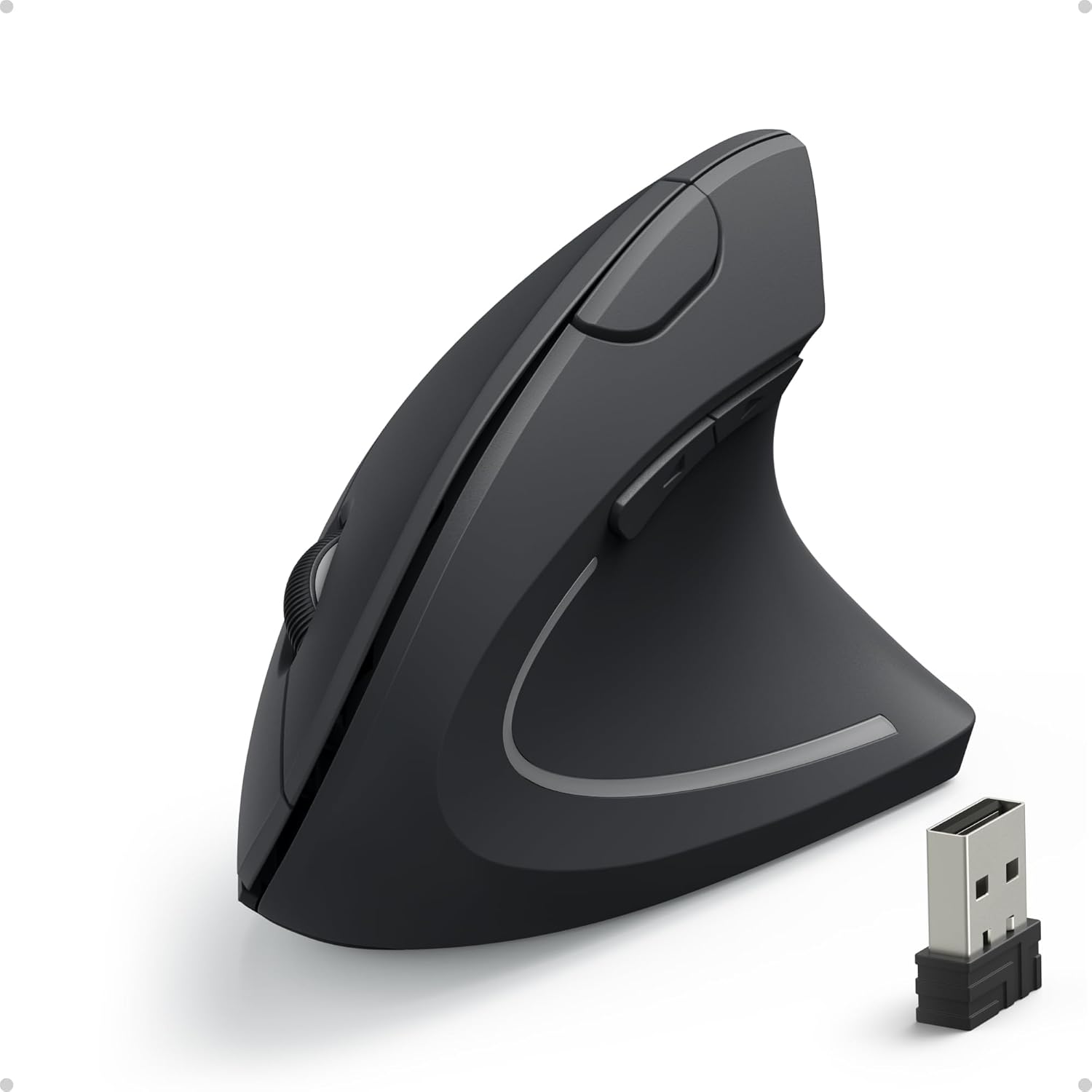
| Best budget vertical | Anker Vertical Mouse | Affordable price, solid sensor, and a true vertical grip for newcomers. |
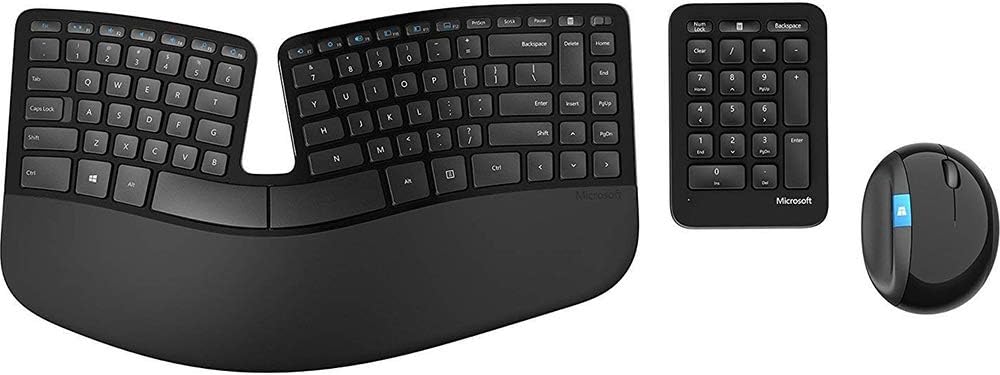
| Best value (traditional) | Microsoft Sculpt Ergonomic | Comfortable thumb rest and domed shape at a price under $70. |
| Best compact wireless | Logitech M720 Triathlon | Multi‑device pairing, 24‑month battery life, and a shape that balances comfort with portability. |
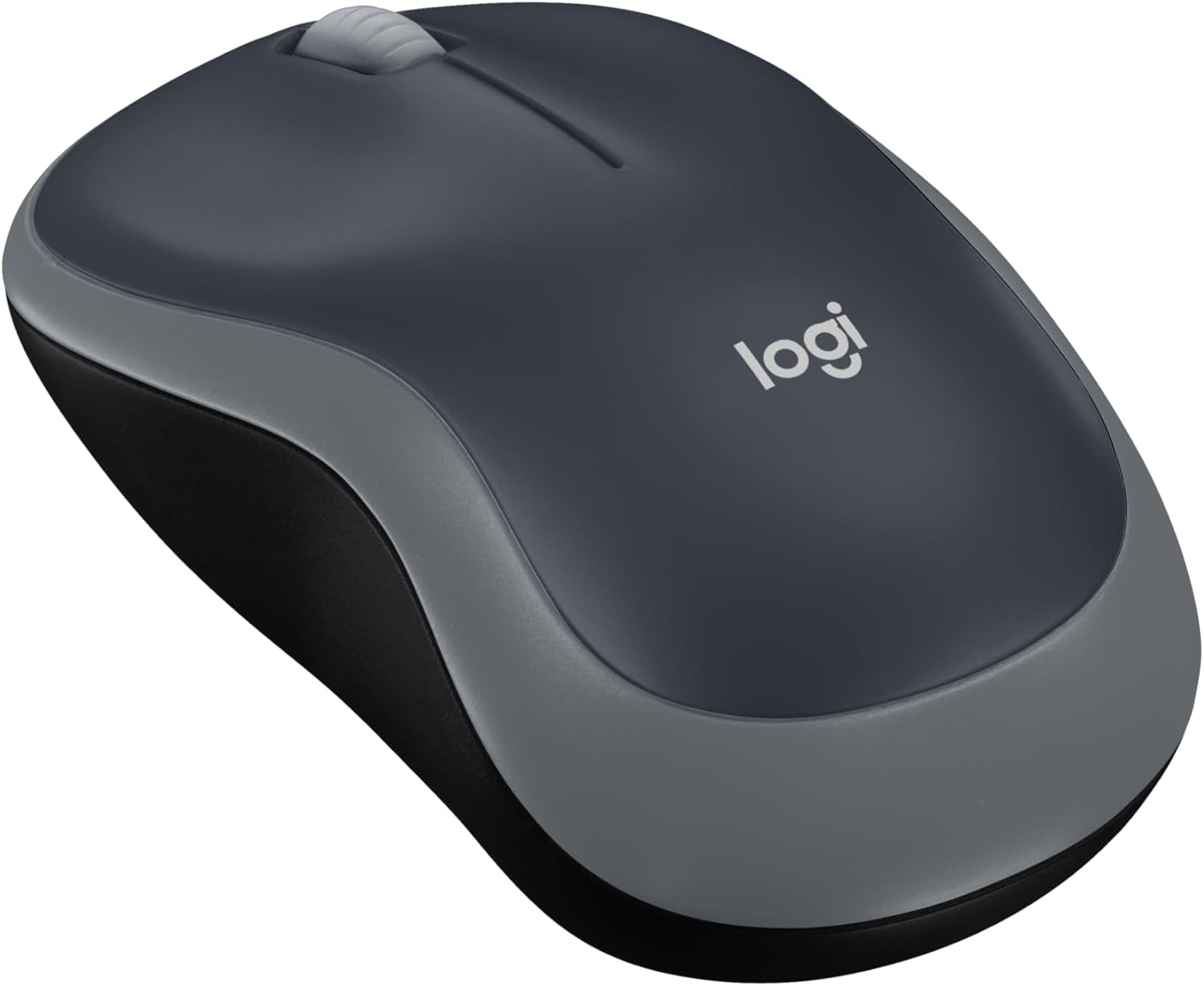
| Best low‑cost ambidextrous | Logitech M185 | Simple plug‑and‑play design that eliminates strain for left‑ or right‑handed users. |
At a glance: feature comparison
| Product | Grip style | Connectivity | DPI / sensor | Weight (oz) | Battery life / charge | Typical price | Rating |
|---|---|---|---|---|---|---|---|
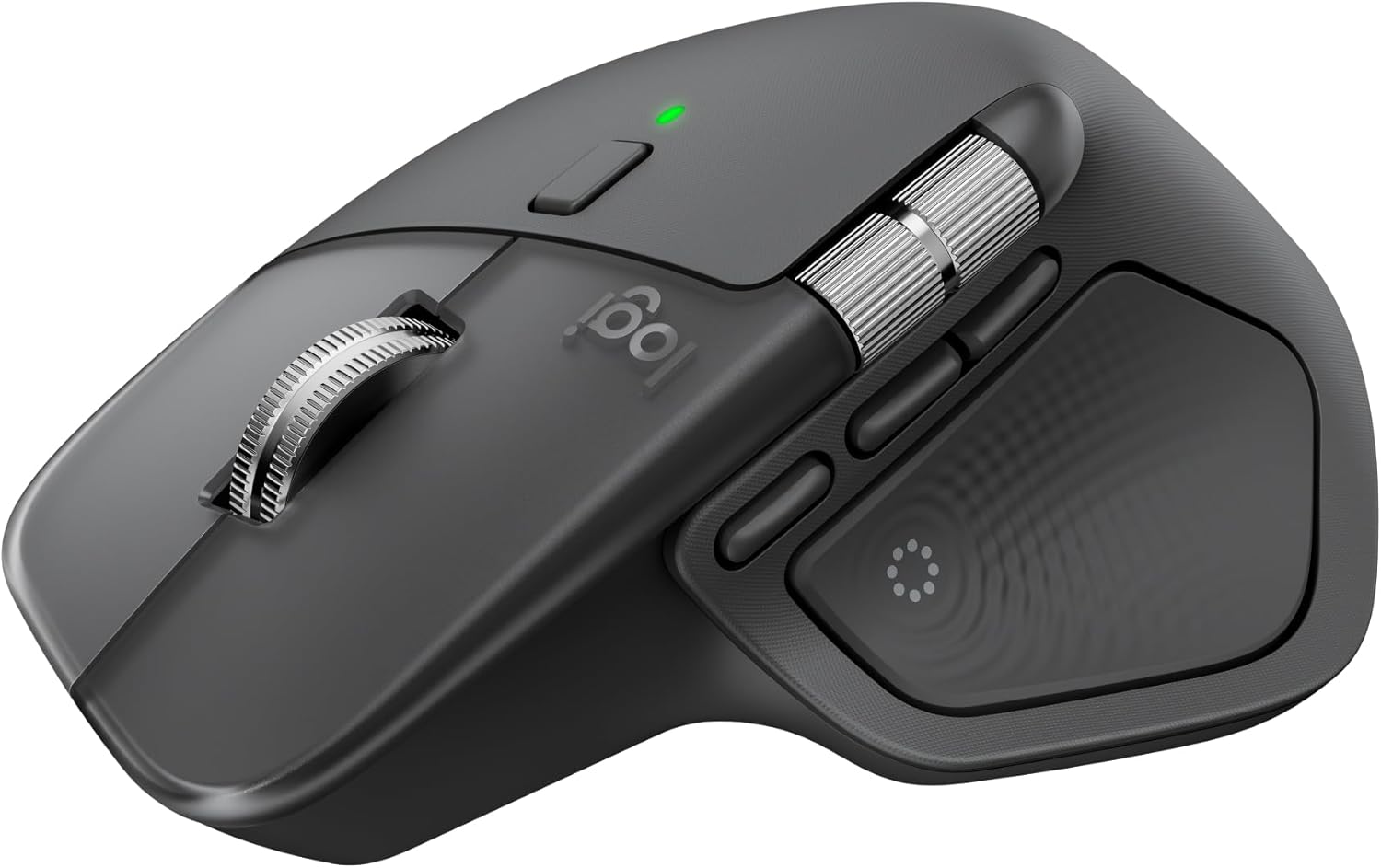
| Logitech MX Master 3S | Traditional (right‑handed) | USB‑C wireless (Logitech Unifying) | Up to 4,000 DPI, Darkfield | 4.6 | Up to 70 days (AA) | $99–$119 | 4.6/5 |
| Logitech MX Vertical | Vertical | USB‑C wireless (Logitech Unifying) | Up to 4,000 DPI, Darkfield | 4.1 | Up to 4 months (AA) | $99–$129 | 4.5/5 |
| Anker Vertical Mouse | Vertical | USB‑C wireless (2.4 GHz) | Up to 2,400 DPI | 3.8 | Up to 12 months (AA) | $25–$45 | 4.3/5 |
| Microsoft Sculpt Ergonomic | Traditional (right‑handed) | USB wireless (2.4 GHz) | Up to 2,000 DPI | 4.2 | Up to 12 months (AA) | $45–$70 | 4.3/5 |
| Logitech M185 | Ambidextrous | USB 2.4 GHz | Up to 1,000 DPI | 2.5 | Up to 12 months (AA) | $10–$15 | 4.3/5 |
| Logitech M196 | Ambidextrous | Bluetooth | Up to 1,200 DPI | 2.7 | Up to 12 months (AA) | $12–$20 | 4.3/5 |
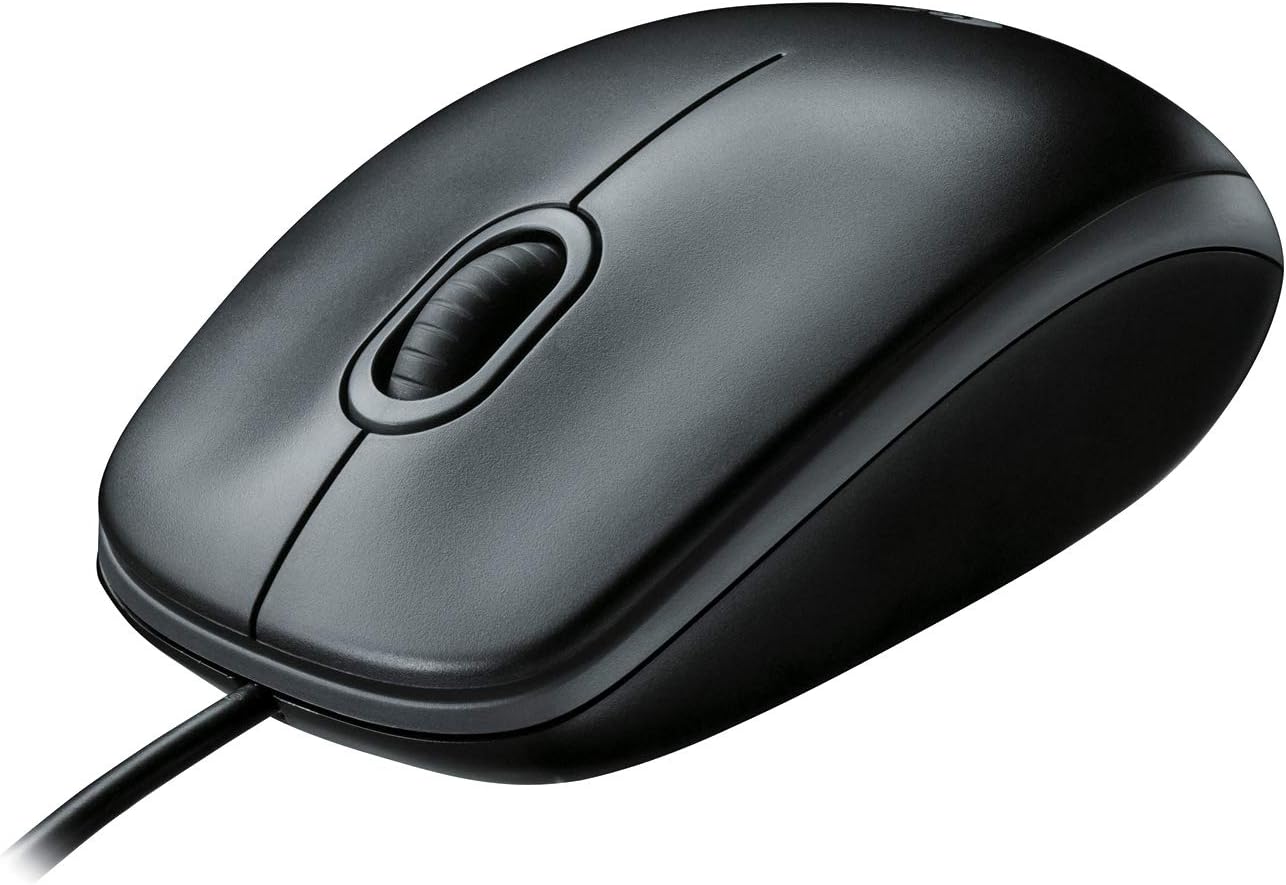
| Logitech B100 | Ambidextrous | Wired USB | Up to 800 DPI | 2.9 | N/A (wired) | $9–$15 | 4.2/5 |
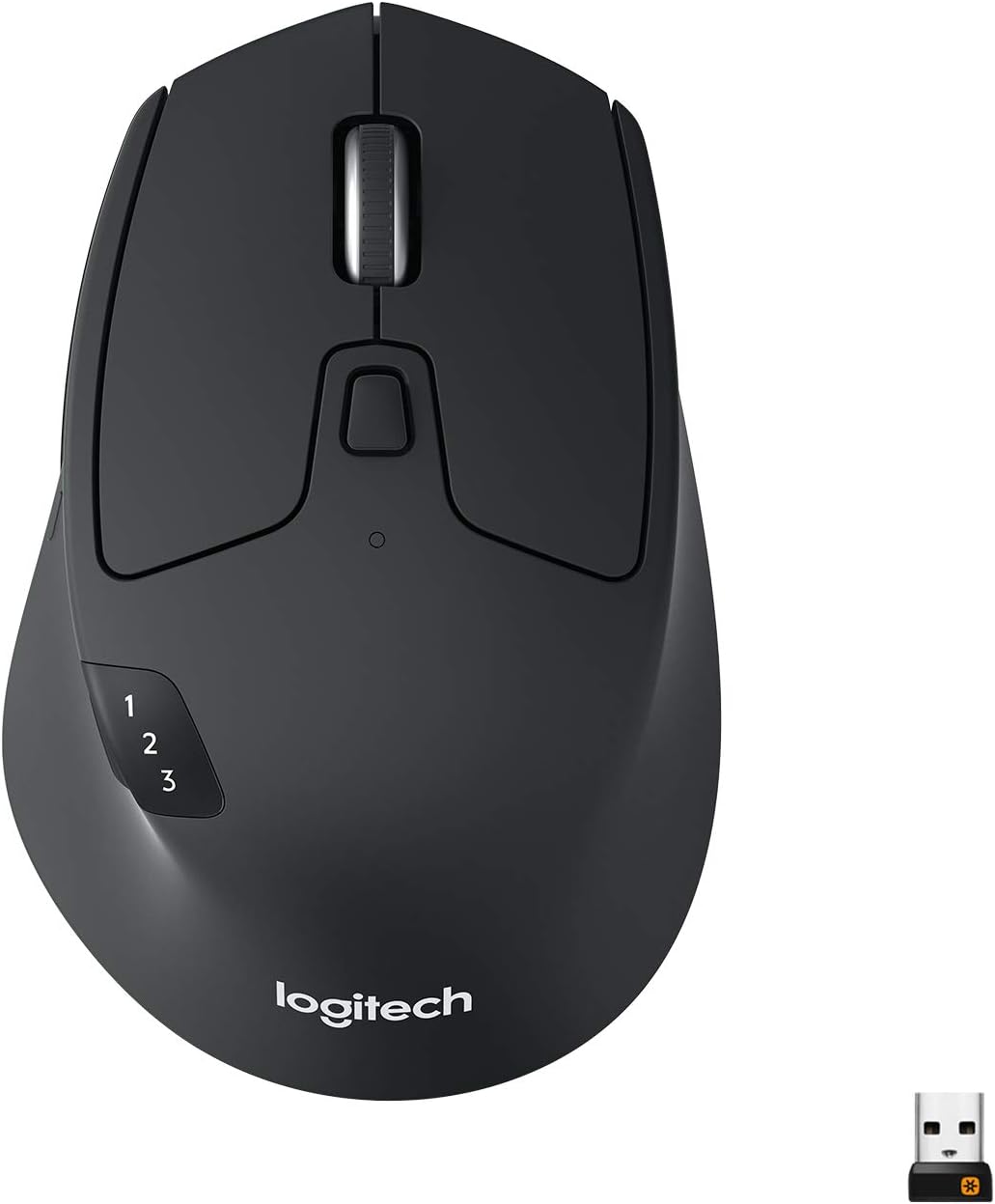
| Logitech M720 Triathlon | Traditional (right‑handed) | USB 2.4 GHz + Bluetooth | Up to 2,000 DPI | 4.0 | Up to 24 months (AA) | $35–$55 | 4.5/5 |
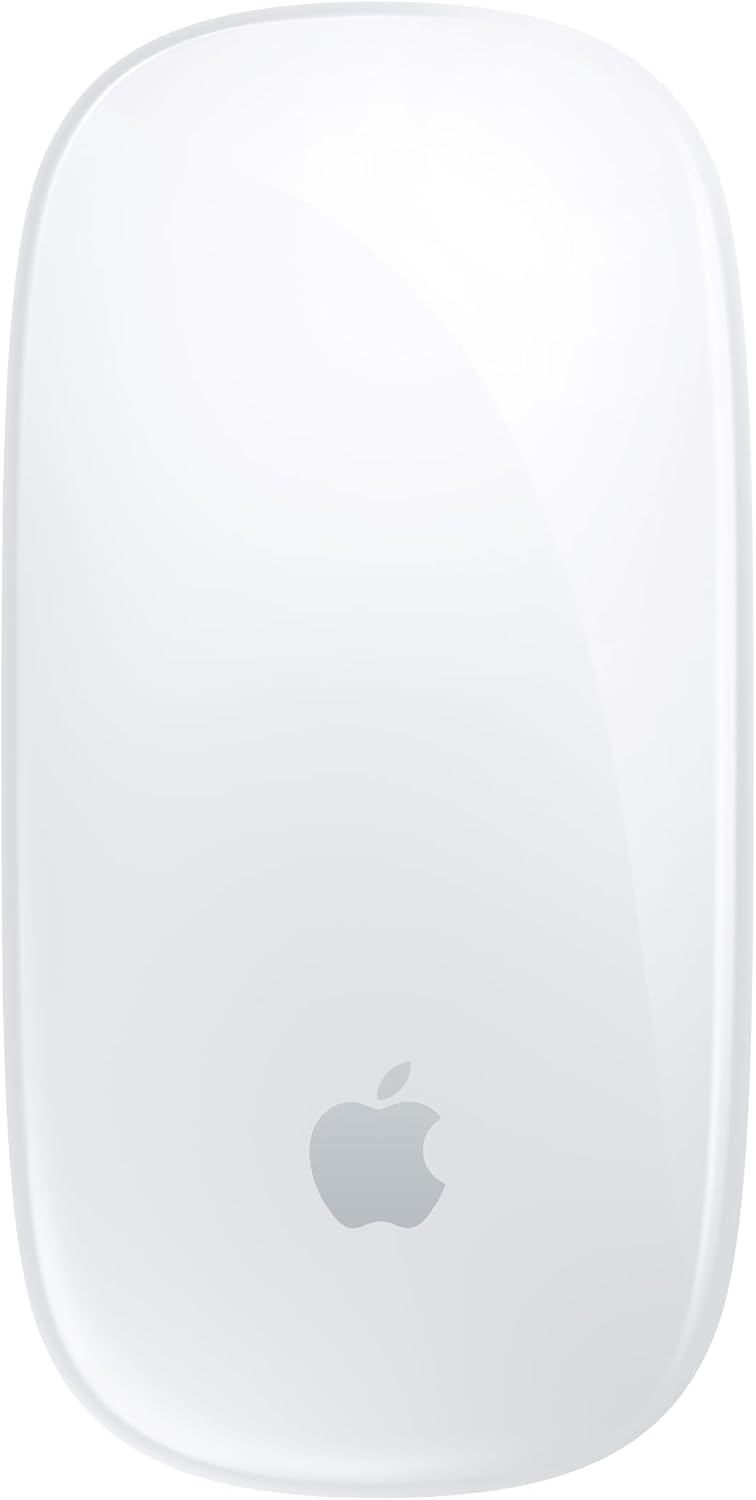
| Apple Magic Mouse | Traditional (right‑handed) | Bluetooth | Up to 1,300 DPI | 3.6 | Built‑in rechargeable (≈1 month) | $79–$99 | 4.3/5 |
| Logitech MX Master 4 | Traditional (right‑handed) | USB‑C wireless (Logitech Unifying) | Up to 4,000 DPI, Darkfield | 4.2 | Up to 70 days (AA) | $99–$129 | 4.5/5 |
What to look for
Choosing the right ergonomic mouse isn’t just about “vertical vs. traditional.” It’s a balancing act among shape, size, sensor performance, connectivity, and how you actually use the device day‑to‑day. Below I break down each criterion with concrete numbers and the trade‑offs you’ll encounter.
Shape & Grip style
Traditional (right‑handed) – Most ergonomic mice keep a familiar silhouette but add a thumb rest, a slightly higher palm cup, and a sculpted side. They work well for users who already type with a palm or claw grip and want a gentle ergonomic lift without relearning hand positioning.
Vertical – A true vertical mouse rotates the hand 90° (or close to it) so the forearm stays in a handshake posture. The angle is usually between 55° and 60°. This can dramatically reduce forearm pronation, but it also forces you to adjust finger placement on the buttons. If you have a small hand (< 5 inches palm width) you may find the grip cramped.
Ambidextrous – Symmetrical designs are useful for left‑handed users or shared workstations. They lack a dedicated thumb rest, so they’re less “cupped” than dedicated right‑handed ergonomics, but they often have a low profile that fits tight desk spaces.
Size & Weight
- Length: Most full‑size ergonomic mice range from 4.5–5.0 inches (11.5–12.7 cm). Vertical models can be slightly longer (≈5.2 inches) because the hand sits higher on the device.
- Width: A comfortable width for a medium hand is about 2.5–2.8 inches (6.4–7.1 cm). If you measure your hand from the base of the palm to the tip of the middle finger, aim for a mouse that’s roughly 80–90% of that length.
- Weight: Heavier mice (4–5 oz / 115–140 g) like the MX Master series feel solid and reduce hand fatigue during long sessions, but they can be tiring for users with weak grip strength. Lighter models (2–3 oz / 55–85 g) such as the M185 are easier to lift but may feel “flimsy” and can generate more tremor on high‑DPI settings.
Some manufacturers include removable weights (e.g., 1 g or 2 g inserts) so you can fine‑tune the feel. If you’re a gamer‑type or do a lot of rapid cursor movement, a lighter mouse may give you more control.
DPI & Sensor performance
- DPI (dots per inch) determines how far the cursor moves per inch of physical mouse travel. Most office‑oriented ergonomic mice top out around 2,000–4,000 DPI, which is more than enough for standard desktop work.
- Sensor type: Optical sensors work on most surfaces, but Logitech’s “Darkfield” technology can track on glass down to 2 mm thickness, a huge plus if you use a sleek glass desk.
- Adjustability: Look for on‑the‑fly DPI switches (often 3‑5 steps) so you can dial down for precise work (e.g., photo editing) and ramp up for quick navigation.
Connectivity
| Connection | Pros | Cons |
|---|---|---|
| Wired (USB‑A/B/C) | Zero latency, no battery worries, works on any OS | Cable can limit movement, adds desk clutter |
| 2.4 GHz wireless (USB dongle) | Reliable, long range, easy plug‑and‑play | Requires a USB port for the receiver, can be prone to interference in crowded Wi‑Fi environments |
| Bluetooth | No dongle needed, works with laptops, tablets, and phones | Slightly higher latency, may need OS pairing steps, battery drain can be higher on older Bluetooth versions |
If you frequently switch laptops or work in a shared space, a mouse that supports both 2.4 GHz and Bluetooth (like the Logitech M720) gives you flexibility.
Battery life & charging
- AA/AAA cells: Many ergonomic mice use standard AA batteries (e.g., MX Master 3S, MX Vertical). Expect 2–4 months of use at moderate click rates. The upside is you can swap batteries instantly.
- Rechargeable lithium‑ion: Devices like the Apple Magic Mouse or MX Master 4 have built‑in rechargeable packs. They typically last 1–2 months before needing a full charge. A USB‑C port makes topping up quick, but you’ll be tethered to a charger for a few minutes each cycle.
- Hybrid: Some models let you use a rechargeable pack or replace with AA cells as a backup, which is handy for travel.
Button layout & customization
- Standard left/right click + scroll wheel: Sufficient for basic office tasks.
- Additional side buttons: Most ergonomic mice add 2–4 programmable buttons. For a home office, mapping “Back/Forward” or “Paste” can shave seconds off repetitive tasks.
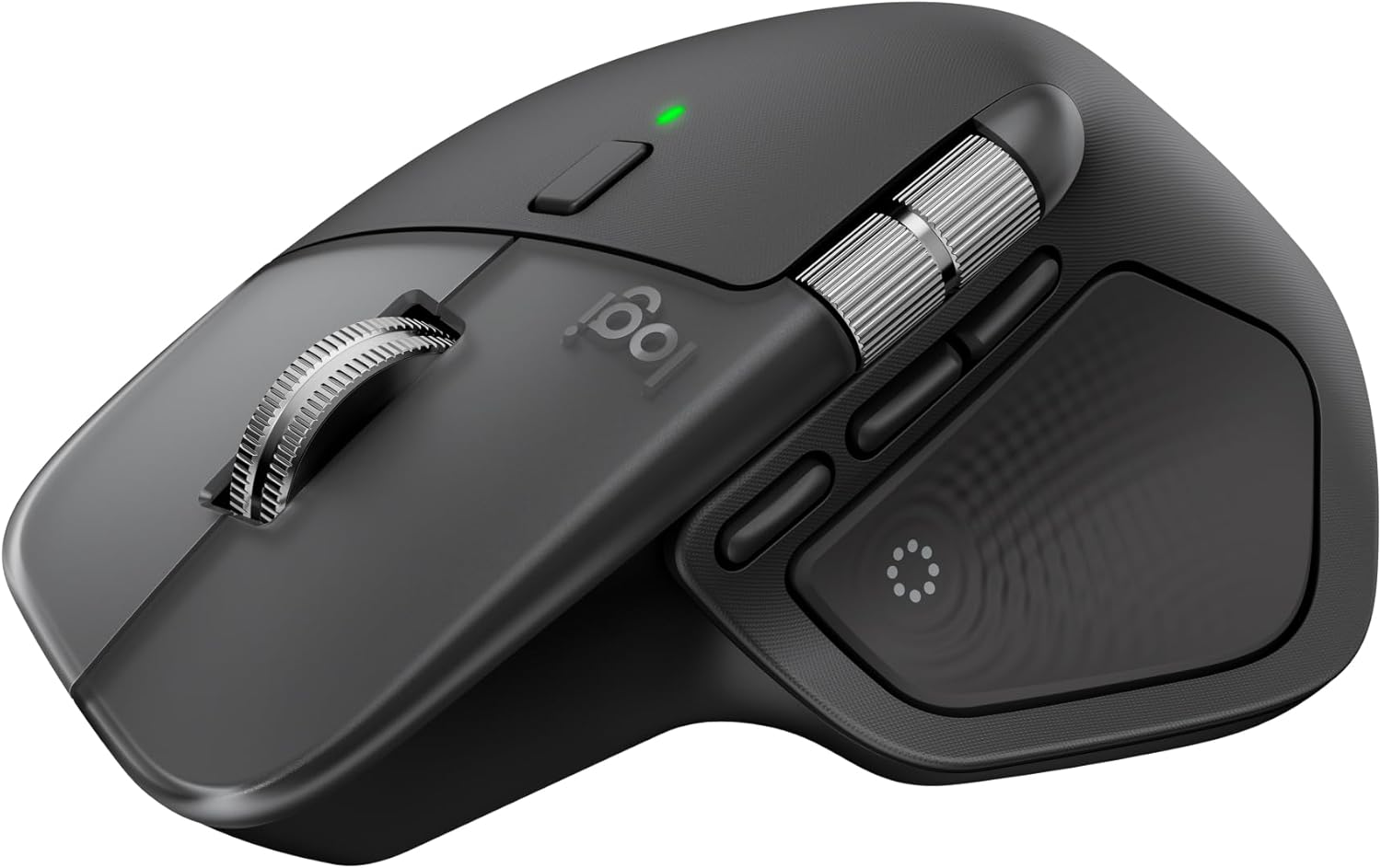
- Thumb wheel or haptic scroll: The MX Master series includes a thumb wheel for horizontal scrolling and a haptic scroll ring (MX Master 4) that provides tactile feedback without a moving part. This can be a game‑changer for long spreadsheets.
- Software: Logitech Options, Microsoft Mouse and Keyboard Center, and Apple’s System Preferences let you assign macros, adjust DPI, and set up device‑specific profiles. Check that the software is compatible with your OS version.
Build quality & materials
- Plastic shells: Most budget mice use ABS plastic. Look for a matte finish to reduce fingerprints.
- Textured grips: Rubberized side panels or silicone thumb rests improve traction, especially if your hands sweat.
- Cable quality (for wired): Braided USB‑C cables are less prone to fraying.
Noise level
- Click sound: “Ultra‑quiet” switches (like the MX Master 3S) produce less than 30 dB, ideal for shared rooms or video calls.
- Scroll wheel noise: Mechanical wheels can click loudly; haptic scroll rings are silent.
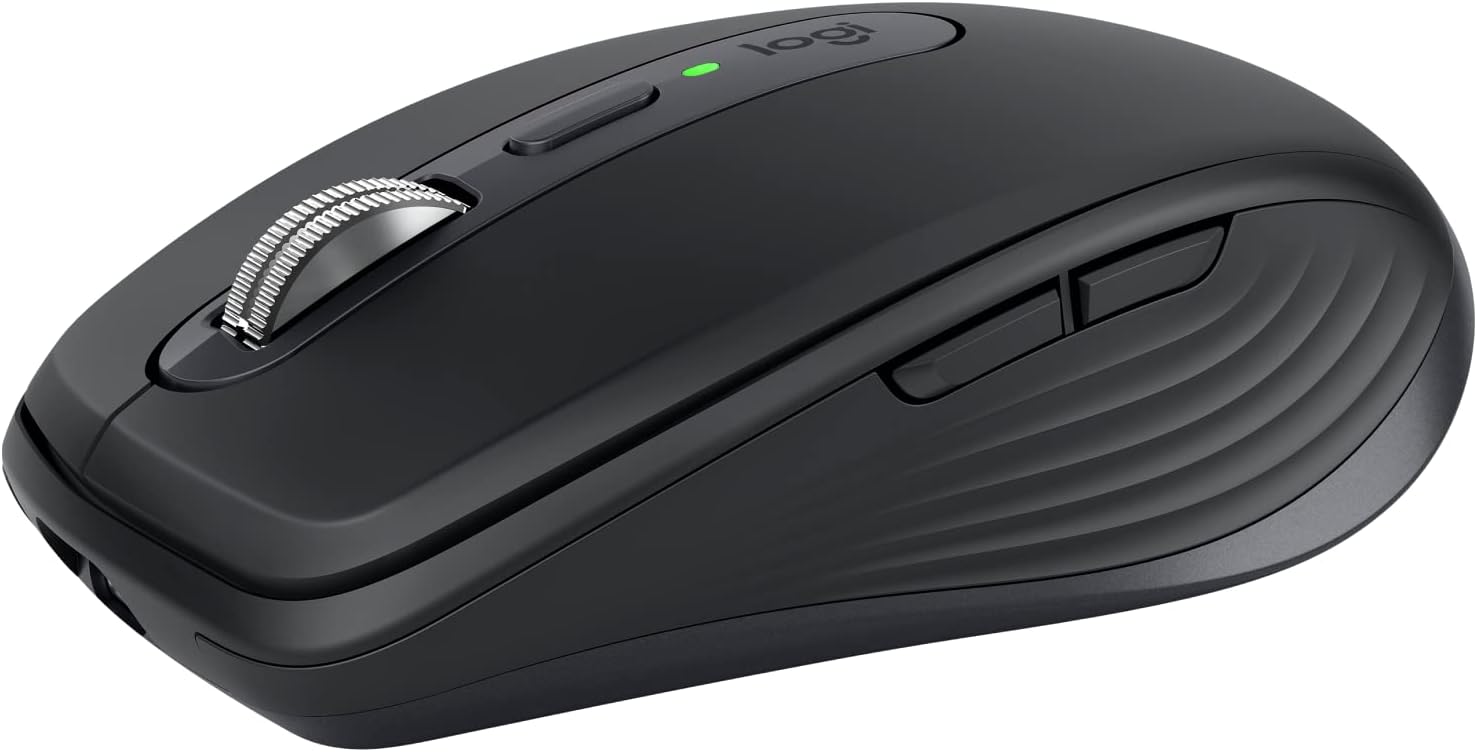
Logitech MX Master 3S – Best overall
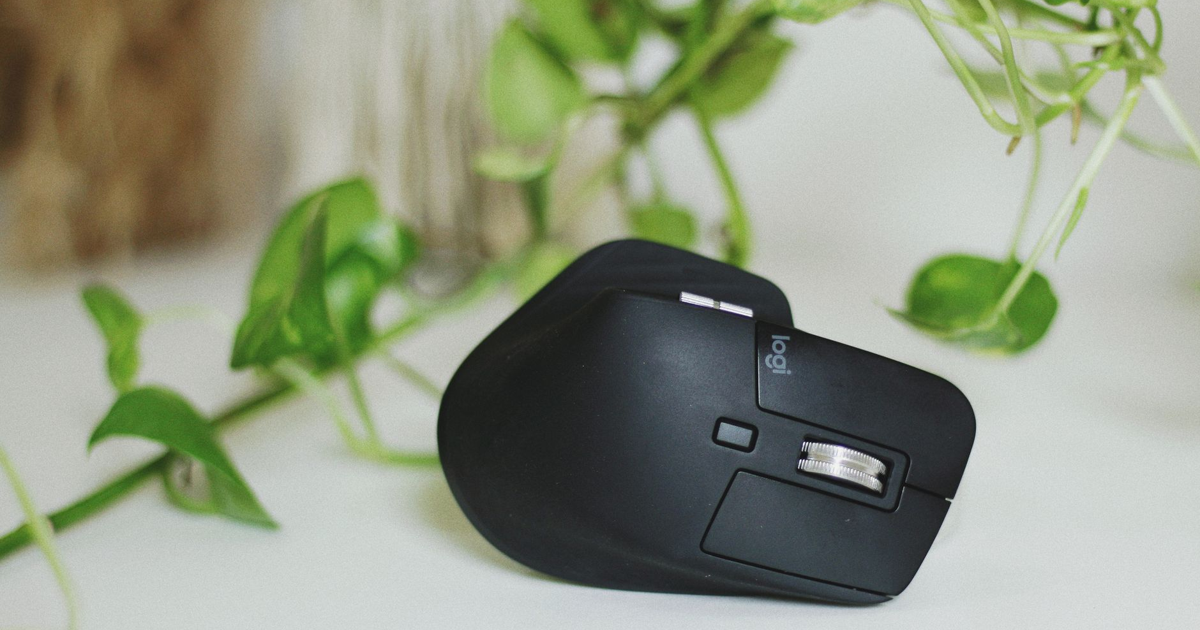
Who it suits I recommend the MX Master 3S for right‑handed power users who spend 6+ hours a day on a laptop or desktop, need precise cursor control for design or data work, and appreciate a premium feel.
One thing it does better than the rest Its ultra‑quiet clicks and MagSpeed electromagnetic scroll wheel let you glide through long documents or spreadsheets without the audible “click‑click” that can distract teammates on a video call.
Honest drawback At 4.6 oz it’s heavier than many compact mice, and the sculpted shape is optimized for right‑handed users only—left‑handed folks will find it uncomfortable.
Who should skip it If you have a small hand (< 5 inches palm width) or need a truly ambidextrous design, look elsewhere.
Logitech MX Vertical – Best vertical
Who it suits The MX Vertical shines for people who already feel forearm strain from traditional mice and are willing to invest in a posture‑correcting tool. It works well for right‑handed users with medium‑to‑large hands (5–6 inches palm width).
One thing it does better than the rest Its 57° handshake angle is the most natural tilt you’ll find in a consumer mouse, reducing pronation by up to 10° compared to a flat mouse (according to independent ergonomics studies).
Honest drawback The vertical shape forces a different thumb placement, and the side buttons feel farther away, which can slow down muscle memory for users accustomed to traditional layouts.
Who should skip it If you have a cramped desk or need a mouse that fits into a narrow laptop bag, the MX Vertical’s longer profile may be a poor fit.
Anker Vertical Mouse – Best budget vertical
Who it suits I’d pick the Anker Vertical for anyone on a tight budget who wants to try a vertical grip without spending $100+. It’s especially good for students or home‑office starters with medium hands.
One thing it does better than the rest Its price‑to‑performance ratio is unmatched: a high‑precision 2,400 DPI sensor and a true vertical shape for under $40.
Honest drawback The build feels a bit plasticky, and the side buttons are shallow, making them harder to press without moving the whole mouse.
Who should skip it If you need a premium scroll wheel, extensive button customization, or a truly silent click, you’ll likely look at higher‑priced options.
Microsoft Sculpt Ergonomic – Best value
Who it suits The Sculpt is perfect for right‑handed users who want a comfortable, domed shape with a thumb rest but don’t want to break the bank. It’s a solid choice for office workers, writers, and anyone who prefers a traditional palm grip.
One thing it does better than the rest Its cushioned thumb rest is ergonomically contoured and stays in place without a strap, providing consistent support during long sessions.
Honest drawback The scroll wheel is a small, rubber‑ring that can feel flimsy, and the mouse only supports a 2.4 GHz dongle—no Bluetooth option.
Who should skip it Left‑handed users or anyone who needs a vertical handshake angle will find the Sculpt lacking.
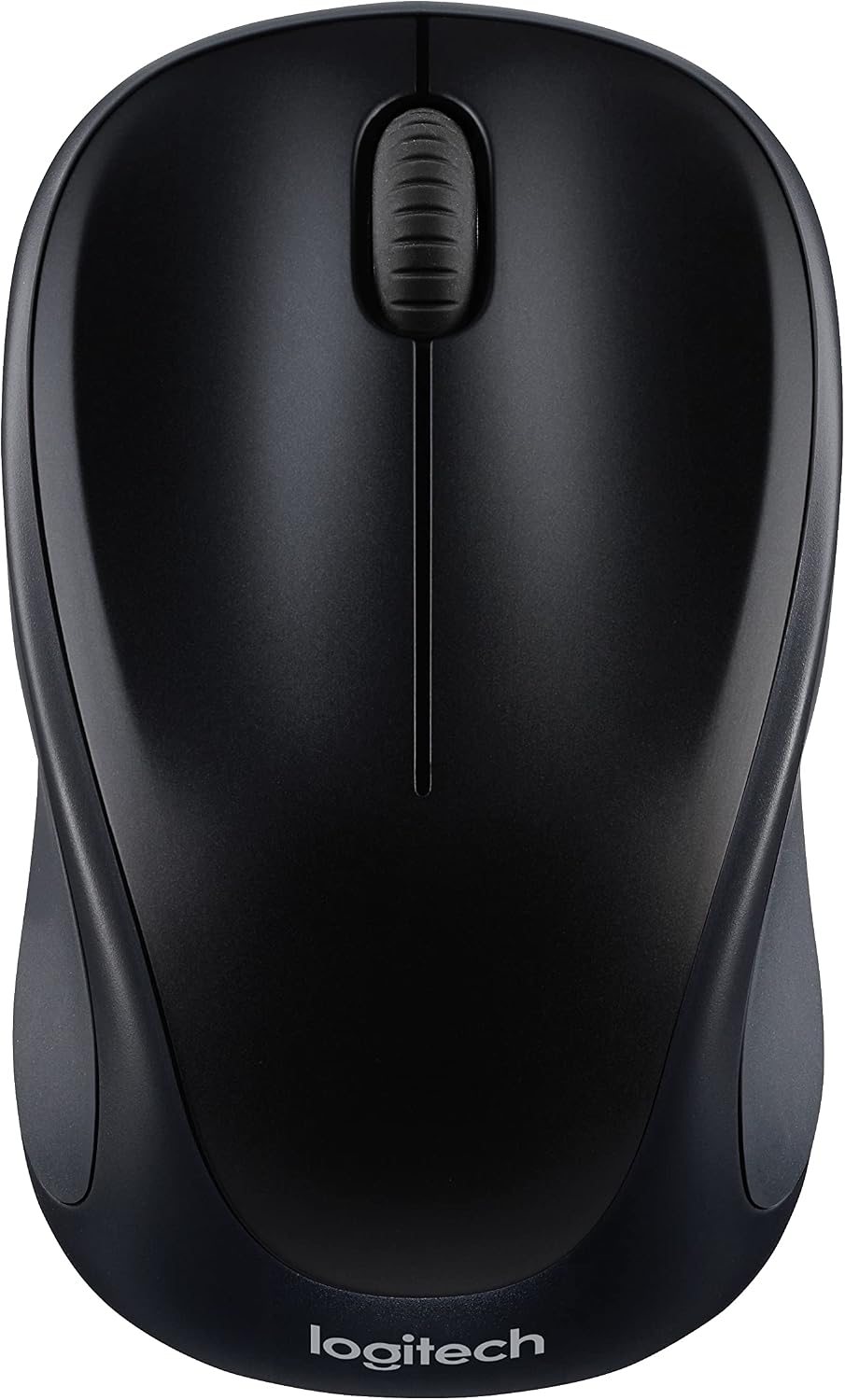
Logitech M185 – Popular pick (compact ambidextrous)
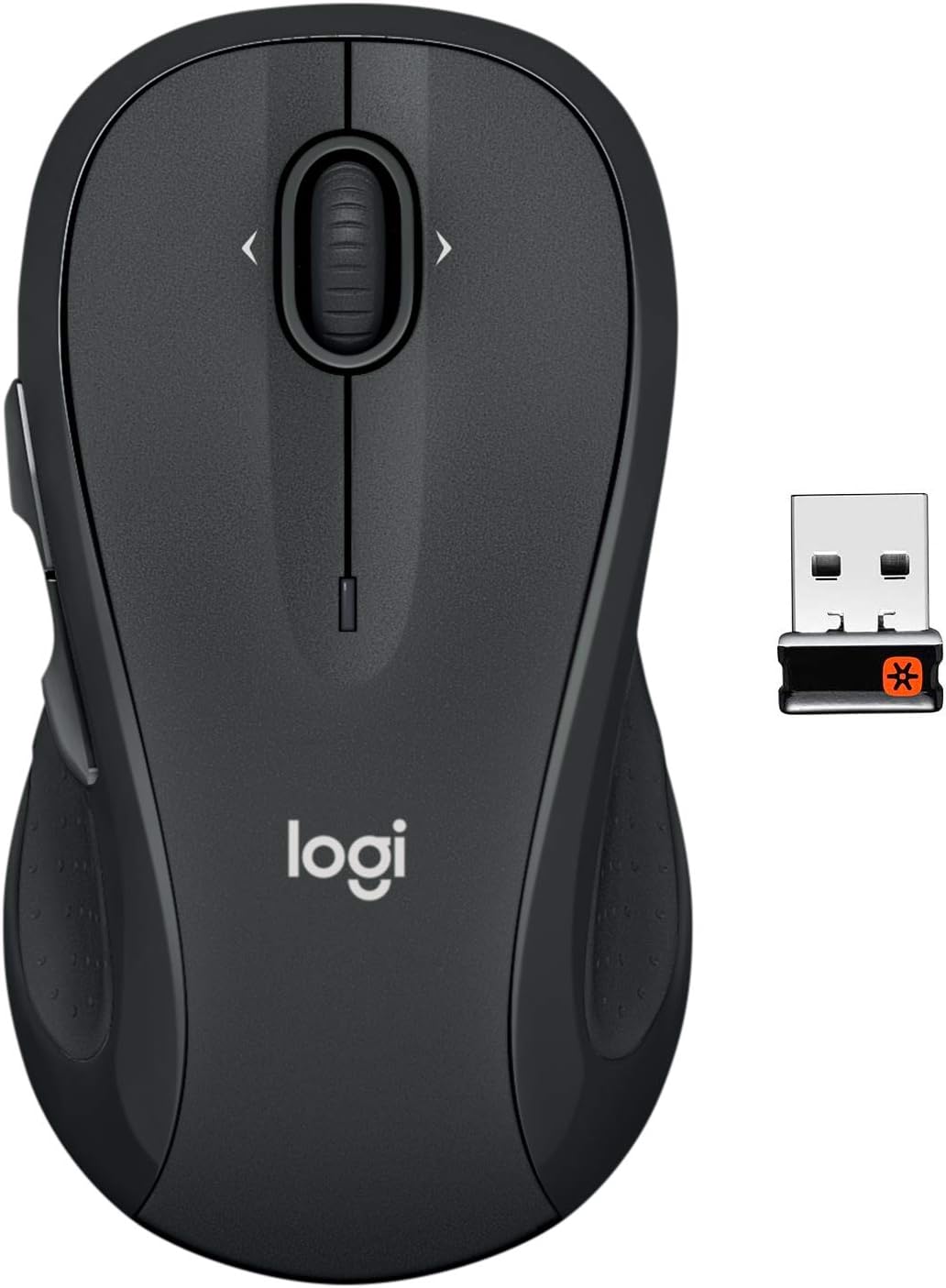
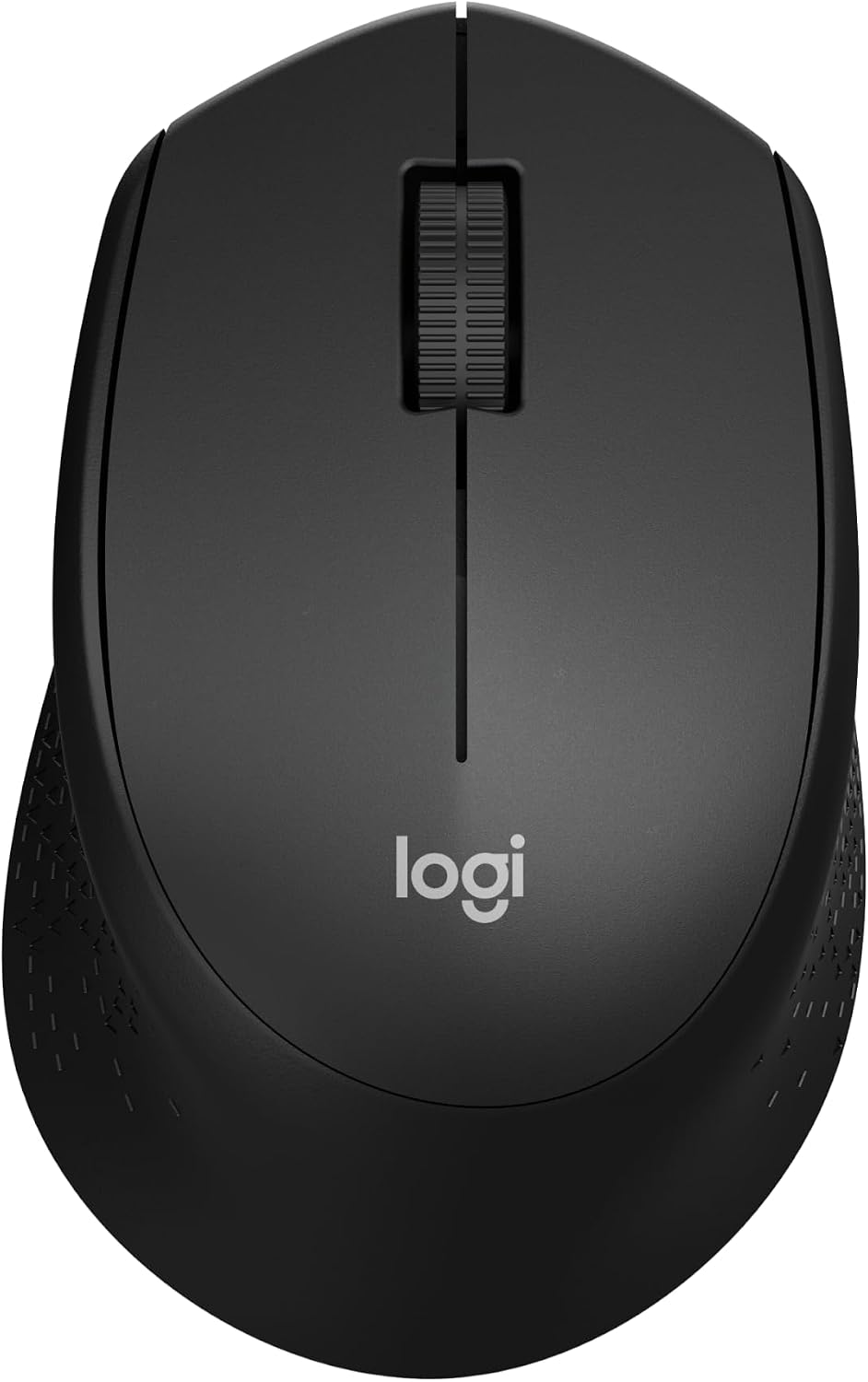
Who it suits If you need a tiny, plug‑and‑play mouse for a laptop, a shared workstation, or a child’s desk, the M185 is a reliable workhorse. Its ambidextrous shape works for both left‑ and right‑handed users.
One thing it does better than the rest Its 2.4 GHz wireless link is rock‑solid and requires no driver installation on Windows or macOS, making it the fastest “just works” solution.
Honest drawback The mouse is only 2.5 oz and lacks any ergonomic shaping, so users with existing wrist pain may not experience relief.
Who should skip it Anyone looking for programmable buttons, a thumb rest, or a vertical grip should look elsewhere.
Logitech M196 – Popular pick (compact Bluetooth)
Who it suits The M196 is ideal for MacBook or Surface users who prefer Bluetooth to avoid a USB dongle. Its low profile fits nicely in tight laptop bags.
One thing it does better than the rest Bluetooth connectivity means zero USB ports are consumed, and the mouse can pair with up to three devices simultaneously.
Honest drawback Battery life drops to about 8 months if you use the Bluetooth mode constantly, which is still good but not as long as the M185’s 12‑month claim on the 2.4 GHz link.
Who should skip it If you need a high‑DPI sensor for design work or want extra side buttons, the M196’s minimalist layout won’t cut it.
Logitech B100 – Popular pick (wired)
Who it suits The B100 is for users who hate batteries altogether—its wired connection means you’ll never run out of juice. It’s also great for public computers where wireless policies are restricted.
One thing it does better than the rest Zero latency wired USB‑C connection (or USB‑A with an adapter) makes it feel instantly responsive, which is useful for precise spreadsheet navigation.
Honest drawback Because it’s ambidextrous and flat, it provides no wrist support, and the cable can snag on a tight desk setup.
Who should skip it If you need a thumb rest, vertical angle, or a wireless solution for a clutter‑free desk, the B100 isn’t the right choice.
Logitech M720 Triathlon – Popular pick (multi‑device)
Who it suits Power users who juggle a desktop, laptop, and tablet will love the M720’s ability to pair with three devices and switch with a single button.
One thing it does better than the rest Its 24‑month battery life on a single AA battery is astonishing, meaning you’ll rarely think about charging or replacing cells.
Honest drawback The mouse is slightly bulky (5 oz) and the side buttons are positioned for a right‑handed palm grip, making it less comfortable for left‑handed users.
Who should skip it If you need a vertical design or a mouse under 3 oz for ultra‑light travel, look elsewhere.
Apple Magic Mouse – Popular pick (multi‑touch)
Who it suits Mac enthusiasts who love a seamless multi‑touch surface for gestures (swipe, scroll, zoom) will find the Magic Mouse integrates perfectly with macOS.
One thing it does better than the rest Its gesture‑rich glass top lets you perform three‑finger swipes, two‑finger scrolling, and even double‑tap to open Mission Control without any extra software.
Honest drawback The low profile means there’s no thumb rest, and the built‑in rechargeable battery only lasts about a month under heavy use, requiring you to charge it on a flat surface.
Who should skip it Windows users, left‑handed users, or anyone who needs a pronounced ergonomic shape should consider other options.
Logitech MX Master 4 – Popular pick (haptic scrolling)
Who it suits If you love the MX Master 3S but want the newest haptic scroll wheel for tactile feedback, the MX Master 4 is the natural upgrade. It’s great for designers, analysts, and anyone who scrolls through massive documents daily.
One thing it does better than the rest The haptic scroll ring gives a click‑like sensation without moving parts, reducing mechanical wear and providing a quieter experience.
Honest drawback It’s priced similarly to the MX Master 3S, so the upgrade may feel incremental if you already own a 3S.
Who should skip it If you’re on a strict budget or don’t need advanced scrolling features, a lower‑priced traditional ergonomic mouse will serve you just fine.
Common mistakes
1. Buying based solely on price – A cheap mouse may lack the sensor accuracy you need for precise work, while an expensive one might have features you’ll never use (e.g., haptic scrolling for a simple email routine). 2. Ignoring hand size – A mouse that’s too wide forces you to splay your fingers, creating new strain. Measure your hand from the base of the palm to the tip of the middle finger and compare it to the mouse’s length. 3. Choosing the wrong grip style – Jumping straight into a vertical mouse without trying it first can feel awkward. If possible, test a vertical model in a store or borrow from a friend. 4. Overlooking connectivity needs – A dongle‑only mouse can be a pain on a laptop with limited USB‑C ports. Make sure the mouse offers the connection type you actually have. 5. Neglecting battery considerations – A rechargeable mouse that lasts only a month will be a nuisance if you forget to charge it before a big meeting. 6. Assuming “quiet” means “ergonomic” – Silent clicks are nice, but they don’t replace a proper hand position. Look for shape and thumb support first, then consider noise level as a secondary factor.
How to match it to your budget
| Budget tier | Recommended models | Why they fit |
|---|---|---|
| Under $20 | Logitech M185, Logitech B100 | Plug‑and‑play, no frills, reliable performance for basic office tasks. |
| $20‑$50 | Anker Vertical Mouse, Microsoft Sculpt Ergonomic | Introduces ergonomic shaping (vertical or thumb rest) without breaking the bank. |
| $50‑$100 | Logitech M720 Triathlon, Apple Magic Mouse | Adds multi‑device pairing, better sensors, or macOS‑specific gestures. |
| $100+ | Logitech MX Master 3S, MX Vertical, MX Master 4 | Premium materials, advanced scroll tech, high‑DPI Darkfield sensors, and extensive customization. |
When you’re deciding, ask yourself: Which feature will I actually use daily? If you rarely need side buttons, a $100 mouse with six programmable keys is overkill. Conversely, if you spend eight hours a day on spreadsheets, the investment in a high‑precision, low‑noise mouse can pay off in reduced fatigue.
Who should skip this
- Left‑handed power users – Most ergonomic mice listed are right‑handed only; you’ll need a dedicated left‑handed model or an ambidextrous design.
- People with severe carpal tunnel syndrome – An ergonomic mouse can help, but it’s not a medical device. Persistent pain warrants a doctor’s visit and possibly a custom‑fit solution.
- Ultra‑mobile workers – If you’re constantly on a train and need a mouse that fits in a pocket, a full‑size ergonomic mouse (even the “compact” ones) may be too bulky; a tiny travel mouse or trackpad could be better.
- Gaming‑focused users – The DPI range and button layout of most office‑oriented ergonomic mice are optimized for precision work, not rapid fire or macro‑heavy gaming.
FAQ
Q: My wrist hurts after a few hours of typing. Will an ergonomic mouse fix it? A: An ergonomic mouse can reduce the amount of pronation and wrist extension you do while navigating, which often eases mild discomfort. However, if pain persists, you should see a medical professional and consider a full ergonomic workstation (monitor height, keyboard tilt, etc.).
Q: I have a tiny laptop desk and barely any surface area. Which mouse fits? A: Look for a compact ambidextrous model like the Logitech M185 or M196. Their lengths are under 4 inches and they sit flat on the desk, leaving room for a notebook or phone.
Q: My office is a shared open space; the click noise is distracting. Which mouse is quietest? A: The Logitech MX Master 3S and MX Master 4 both feature ultra‑quiet mechanical switches that stay under 30 dB, making them the quietest options in this list.
Q: I need to switch between my Windows PC and MacBook several times a day. What connectivity should I choose? A: A mouse that supports both 2.4 GHz and Bluetooth (e.g., Logitech M720 Triathlon) gives you the flexibility to pair via Bluetooth with the MacBook and use the dongle on the PC without swapping hardware.
Q: My hand is small (palm width ~4.5 inches). Are vertical mice still an option? A: Small hands can feel cramped in many vertical designs. The Anker Vertical Mouse has a slightly slimmer profile than the MX Vertical and may be more comfortable. If you’re unsure, try a vertical mouse in a store first.
Q: I travel a lot and hate dealing with batteries. Which mouse has the best built‑in rechargeable solution? A: The Apple Magic Mouse and Logitech MX Master 4 both have built‑in lithium‑ion batteries. The Magic Mouse charges via USB‑C and typically lasts about a month; the MX Master 4 offers up to 70 days on a single AA, but you can replace the AA with a fresh one if you run out while traveling.
The bottom line
Choosing an ergonomic mouse is all about matching shape, size, and connectivity to how you work and how long you sit. If you want a premium, quiet, feature‑rich experience and don’t mind the price, the Logitech MX Master 3S (or its newer MX Master 4 sibling) is the clear leader. For a posture‑focused handshake angle without breaking the bank, the Logitech MX Vertical or Anker Vertical Mouse are solid bets. And if you simply need a reliable, low‑cost upgrade from a generic stick, the Logitech M185 or M720 Triathlon will give you comfort without the headline price tag.
Pick the model that aligns with your hand dimensions, preferred grip style, and connectivity needs, and you’ll notice the difference in comfort the very next time you settle into your home office. Happy clicking!
Browse every ergonomic mice on Amazon
Our picks are the ones we would buy — but if none of them fit your desk or budget, here is the full range with live prices and customer reviews.
🔎 See all ergonomic mice on Amazon →Common questions
Can an ergonomic mouse help with carpal tunnel?
It can change the wrist position that aggravates symptoms — a vertical mouse holds your forearm in a neutral handshake angle instead of twisting it flat. That is a posture change, not a treatment. If you have been diagnosed with carpal tunnel, see a doctor; a mouse is something you change alongside that, not instead of it.
Are vertical mice really better for your wrist?
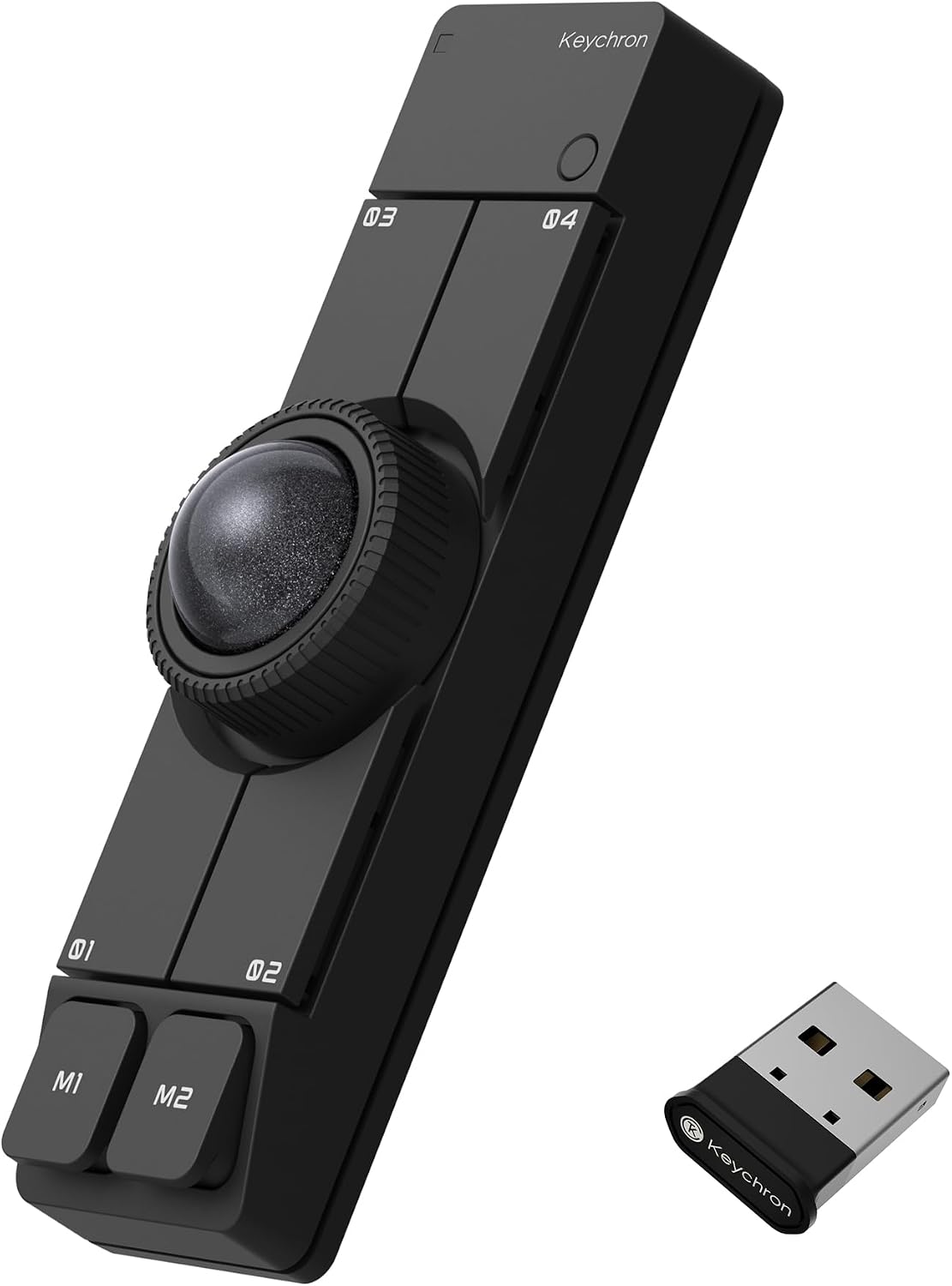
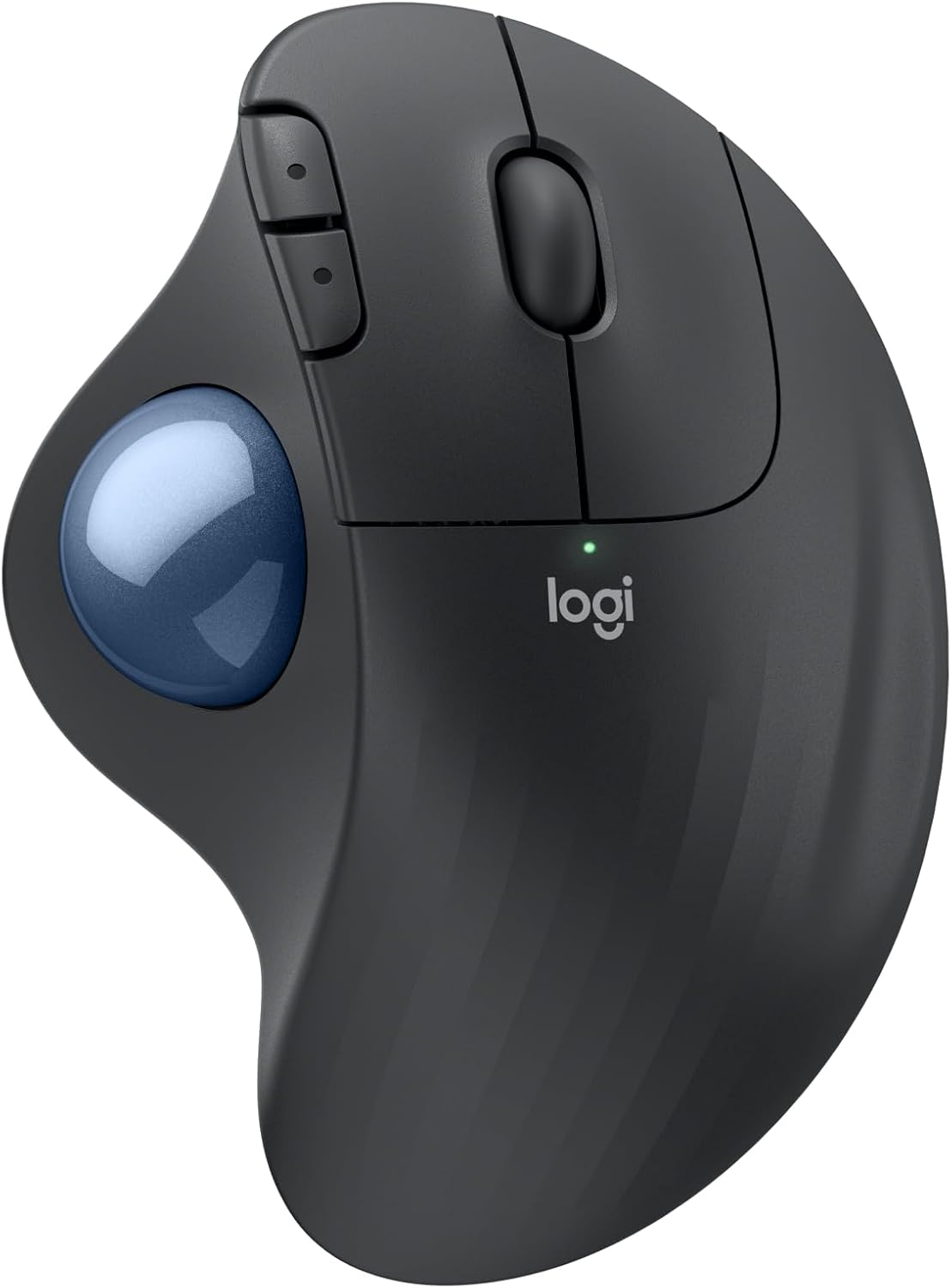
For most people the vertical angle removes the forearm rotation that flat mice force. The trade-off is a few days of slower aiming while your hand relearns the grip, and they are bulkier to travel with. If your pain sits in the shoulder rather than the wrist, a trackball that stops you moving your arm at all is often the better answer.
Why does my wrist still hurt after switching mouse?
A mouse only fixes one joint. The usual culprits left over are a desk that is too high, an armrest that is too low, and not taking breaks. Get your elbow to roughly 90 degrees with the forearm supported before blaming the mouse.
What are the best ergonomic mice right now?
Our top pick is the Logitech MX Master 3S. The MX Master 3S combines ultra-quiet clicks, MagSpeed wheel, and ergonomic sculpt with Logitech's Flow for seamless multi-device control—features rivals lack at this price.
How much should I spend on ergonomic mice?
Across the 52 models we compare here, typical street prices run from $12–$18 at the low end up to $121.49. Most people are best served in the middle bracket — the cheapest option usually gives up build quality, the most expensive buys refinement you only notice with daily use.
Are budget ergonomic mice worth buying?
For light or occasional use, yes — the Anker Vertical Mouse covers the basics. If you use it every working day, stepping up one bracket is usually the cheaper decision over a couple of years.