SmartPicks
How to Choose a Mechanical Keyboard for Work

Disclosure: this page contains affiliate links. If you buy through them, we may earn a commission at no extra cost to you. We only recommend products we would use ourselves.
If you spend a good chunk of your day typing, the right mechanical keyboard can make the difference between a productive workday and a sore‑finger marathon. In this guide I’ll walk you through how to choose a mechanical keyboard that fits a home‑office setup, focusing on switches, layout/size, quiet operation for conference calls, and wired versus wireless connectivity.
Quick picks
| Need | Model |
|---|---|
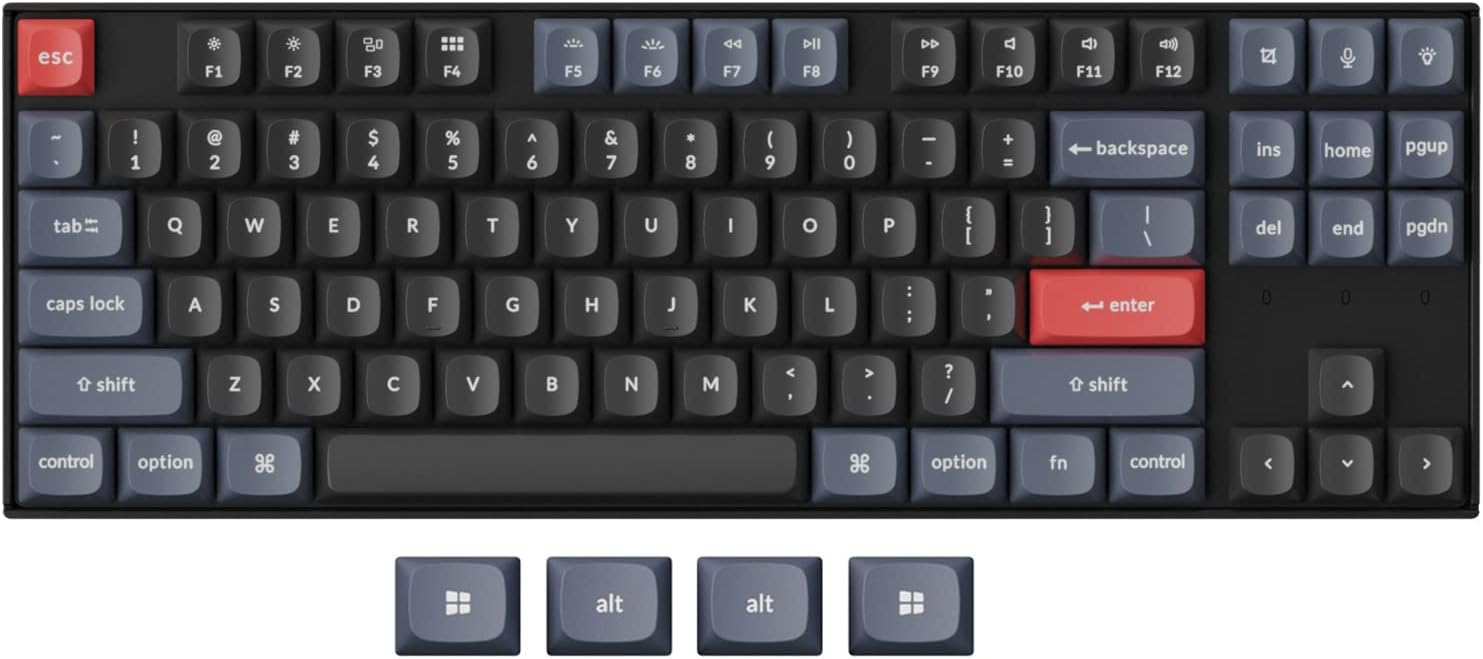
| Best overall | Keychron K8 Pro |
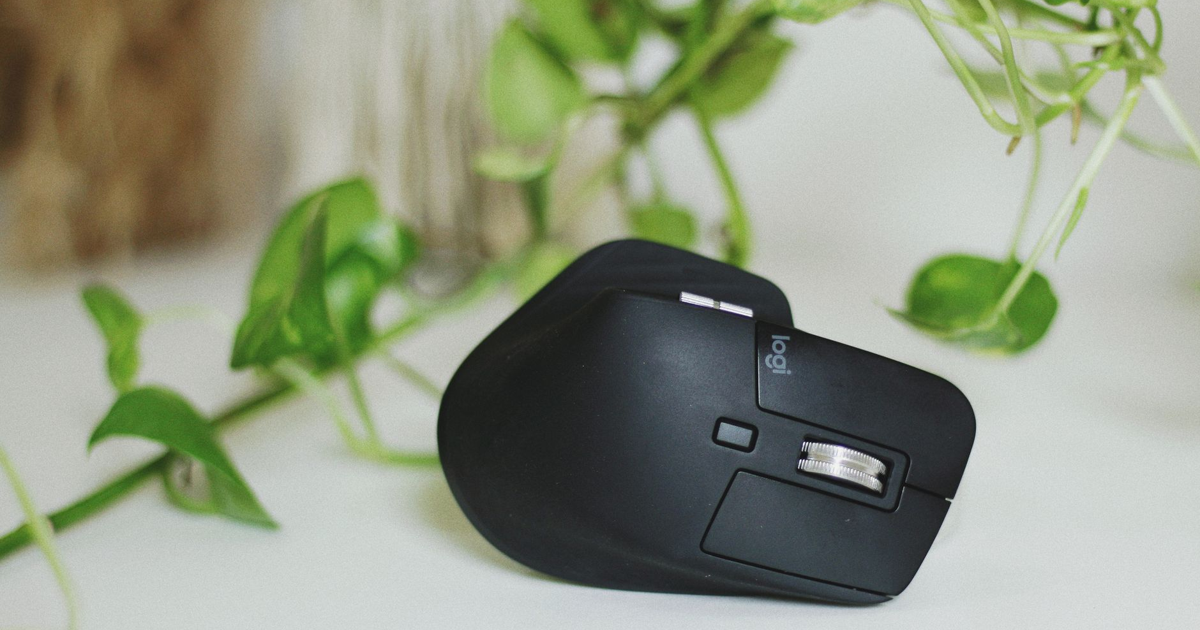
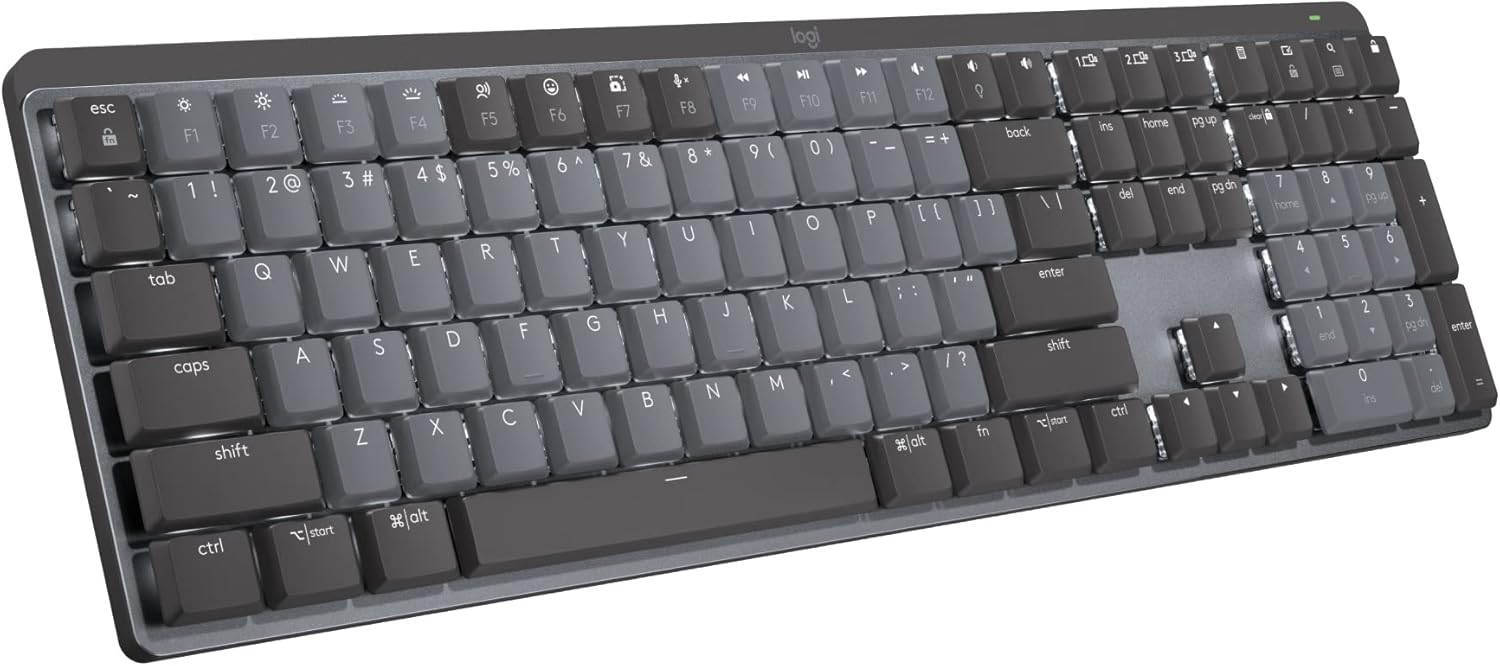
| Best for work (low‑profile, multi‑device) | Logitech MX Mechanical |
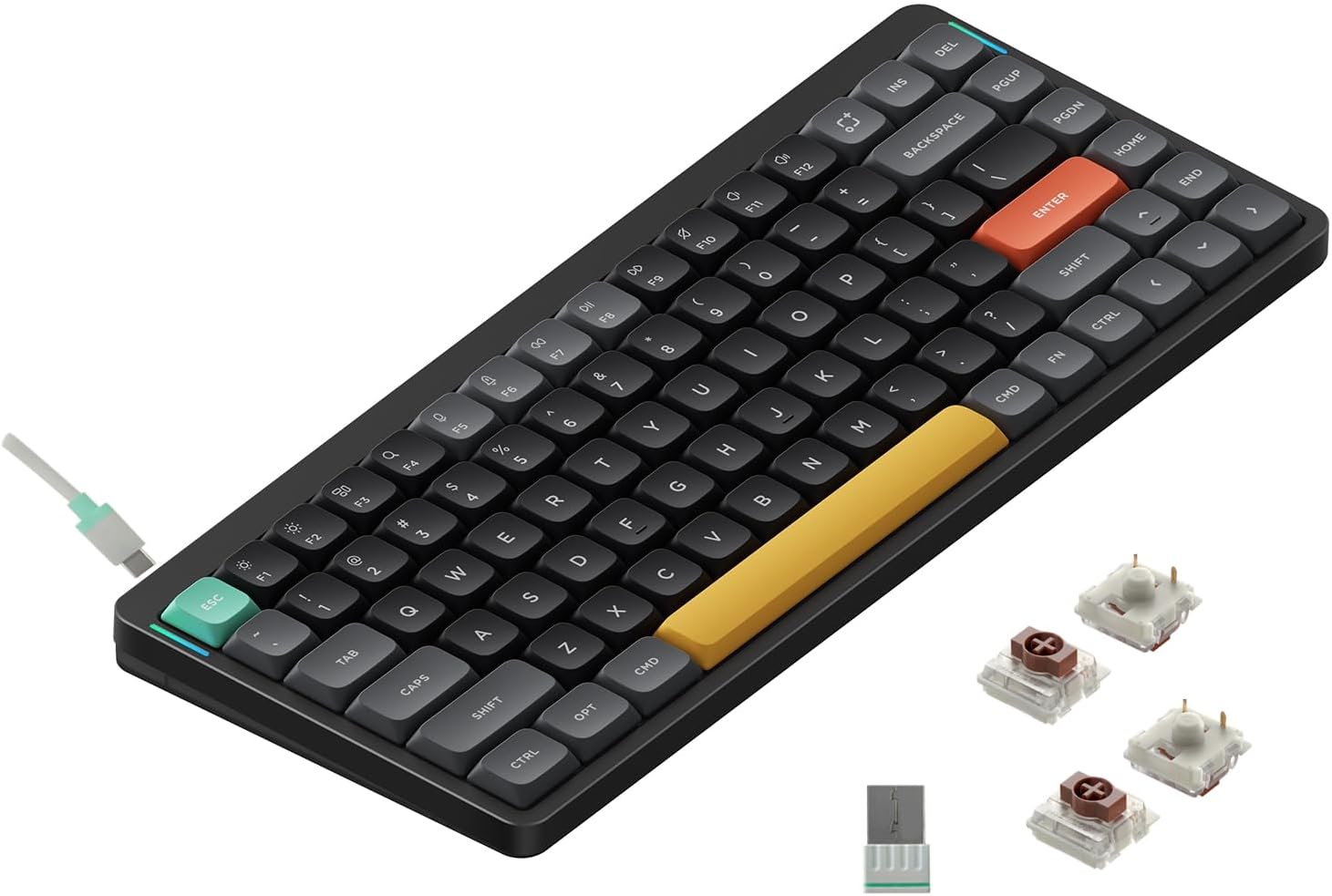
| Best low‑profile | NuPhy Air75 V2 |
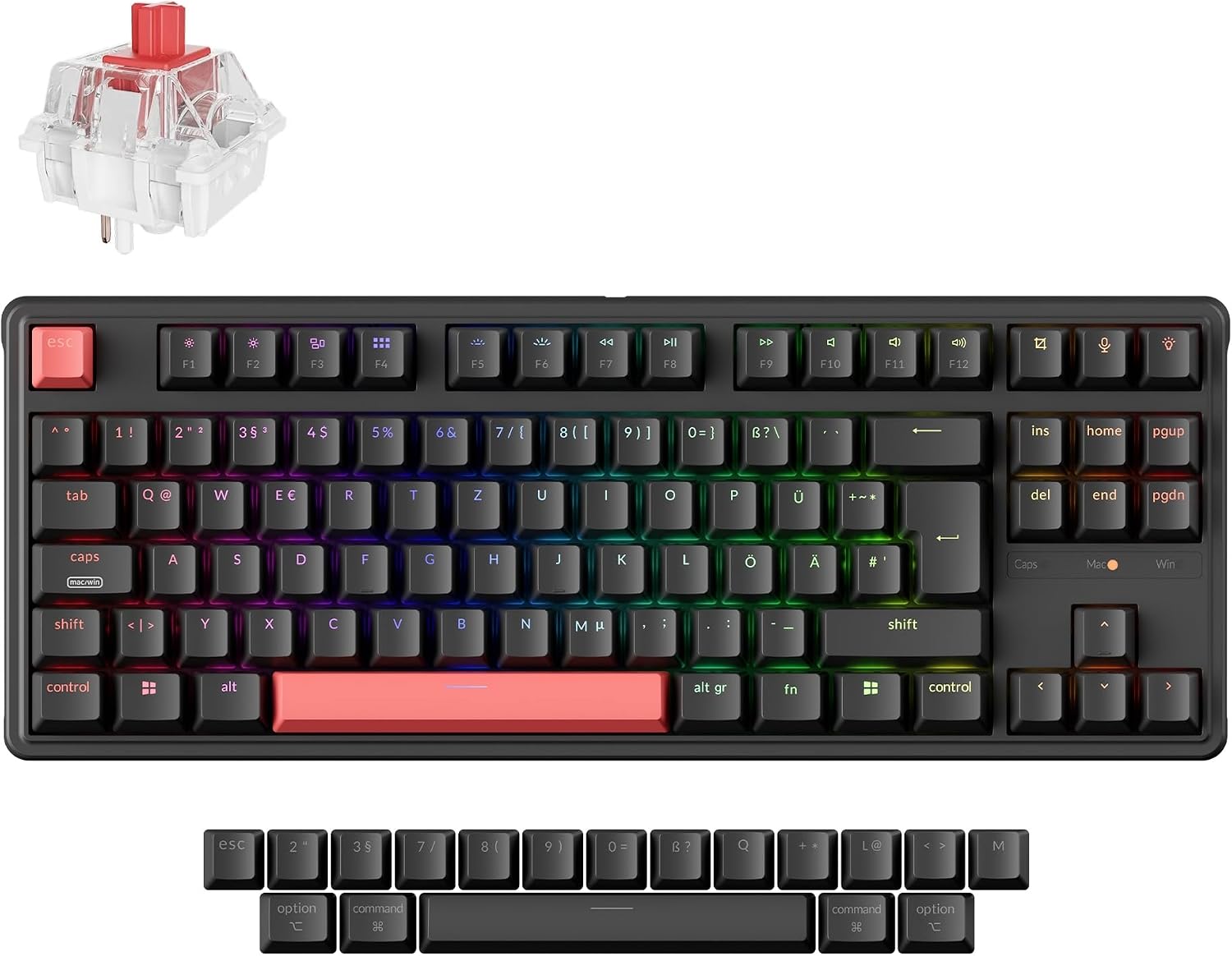
| Best budget | Keychron C3 Pro |
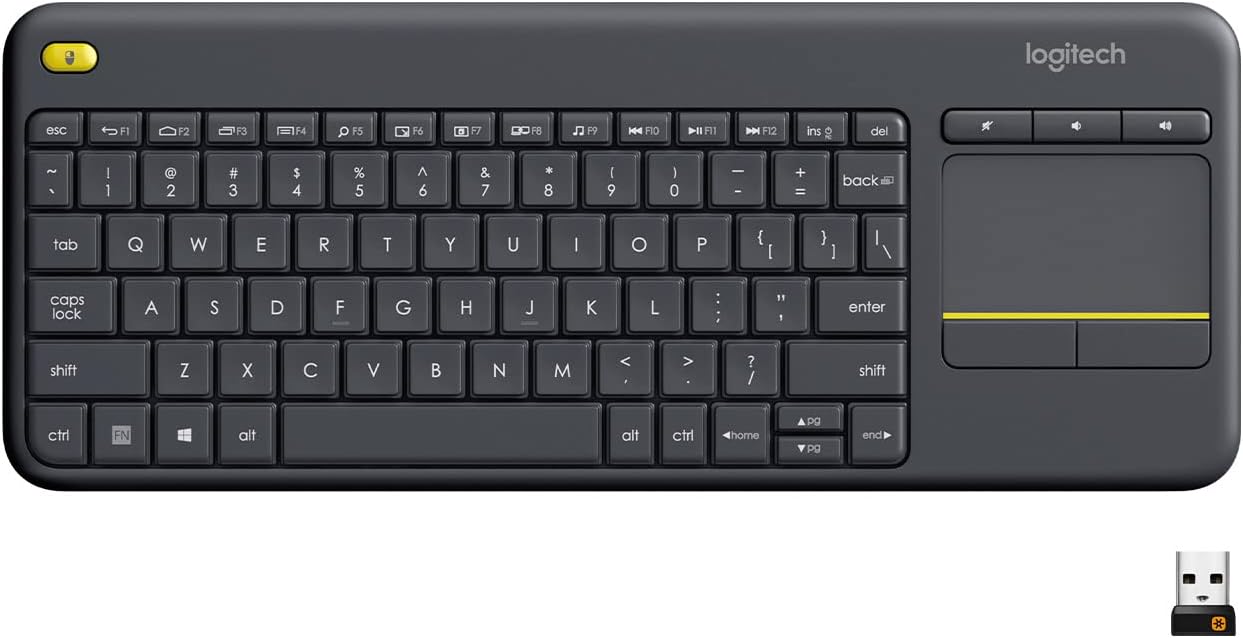
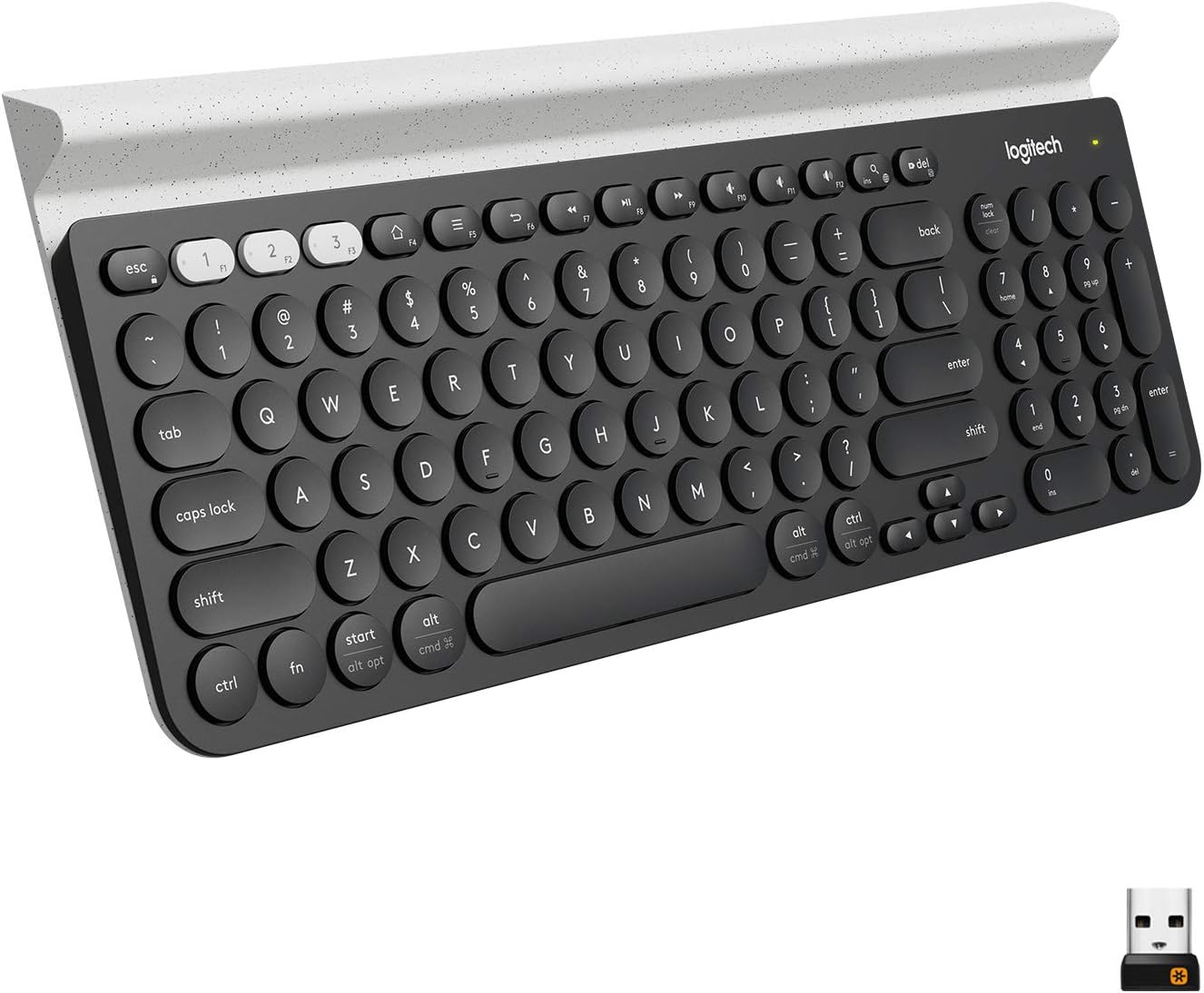
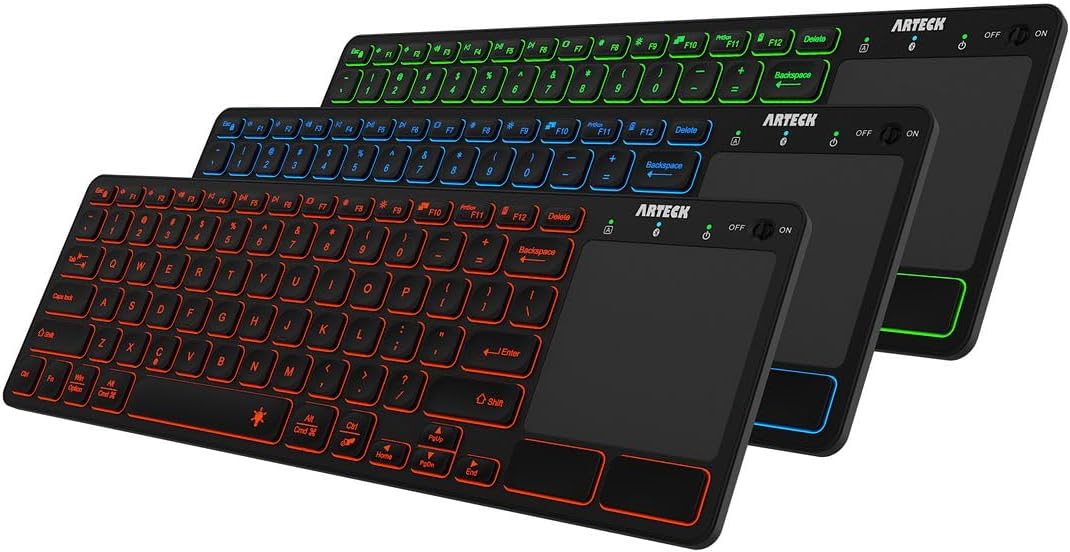
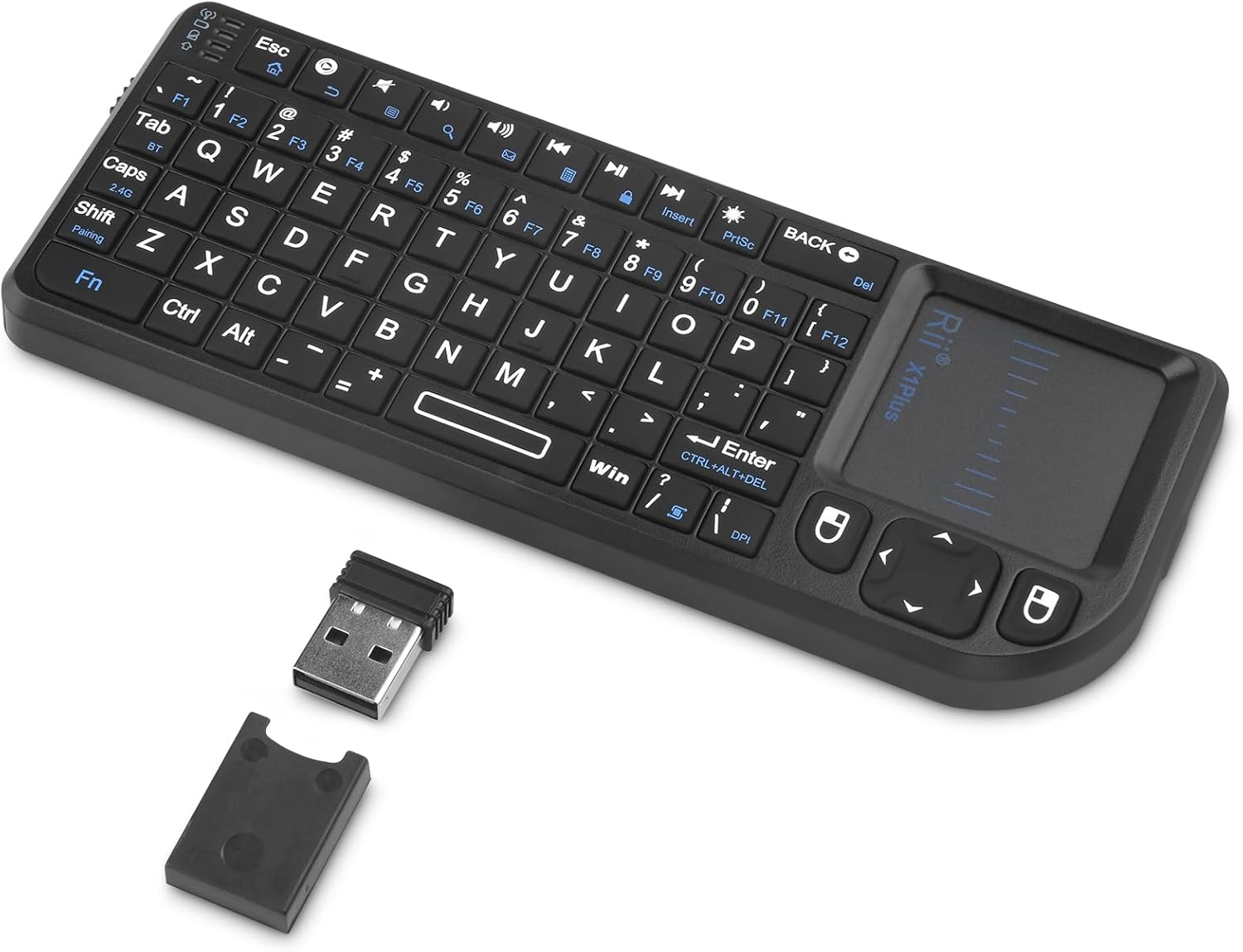
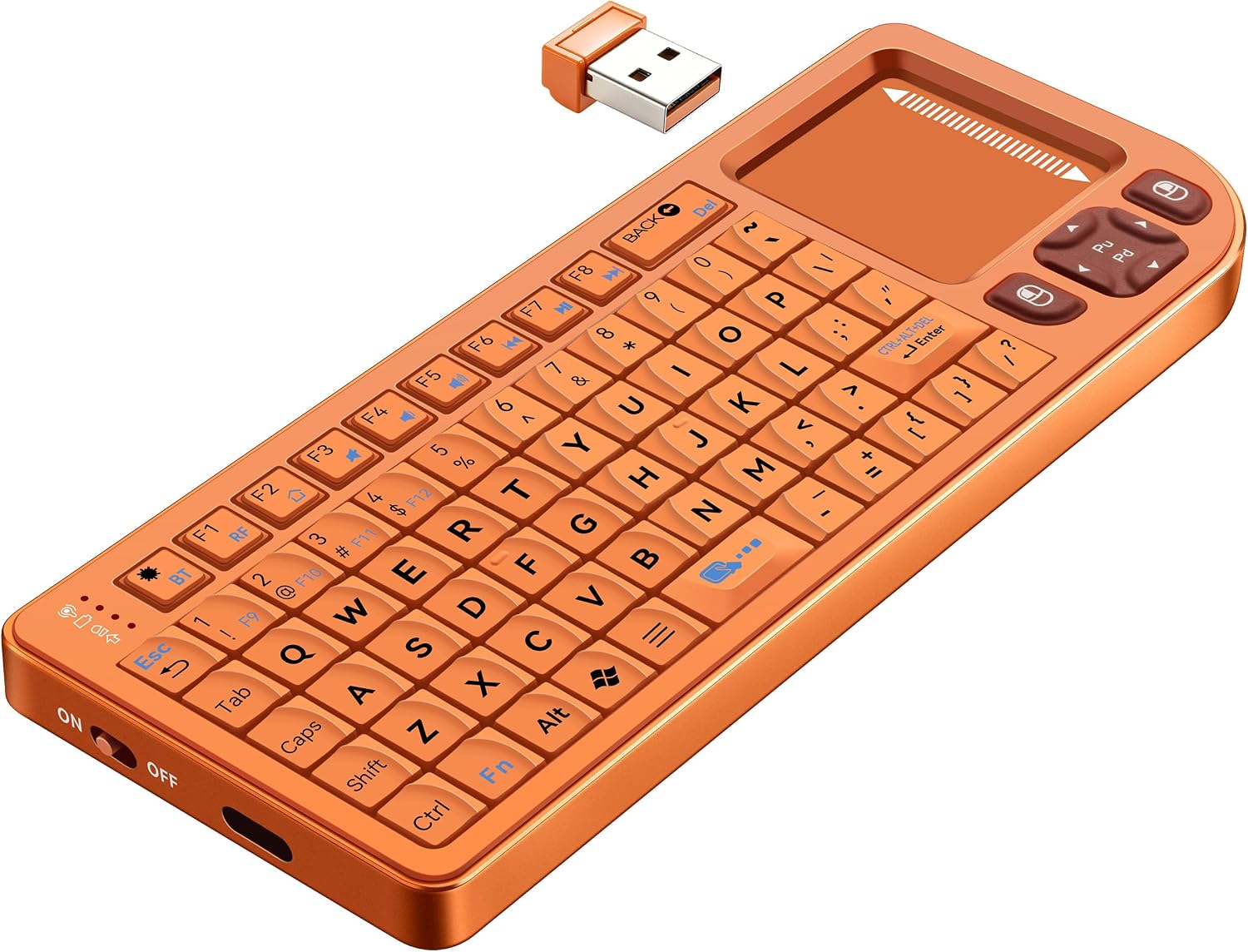
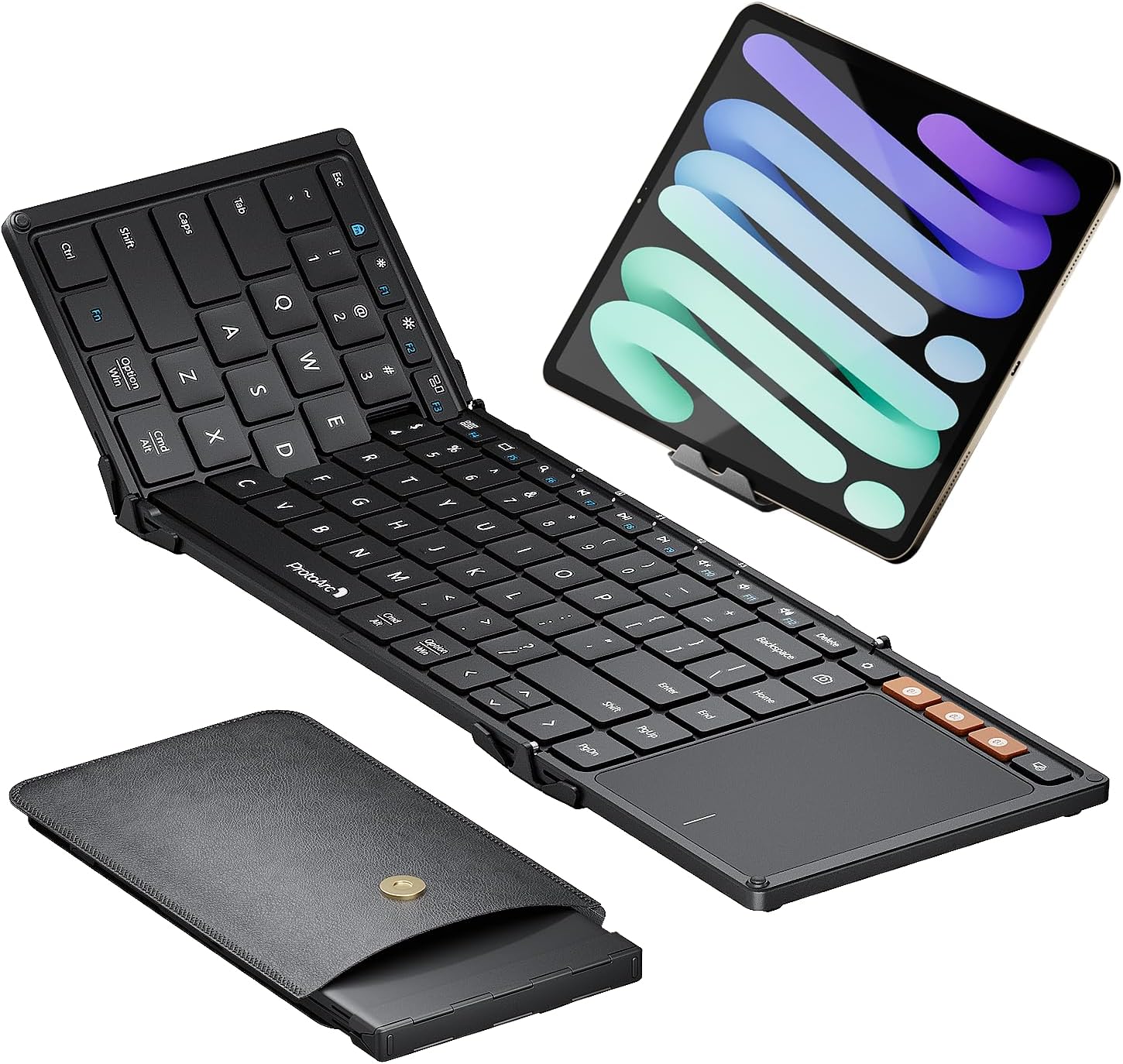
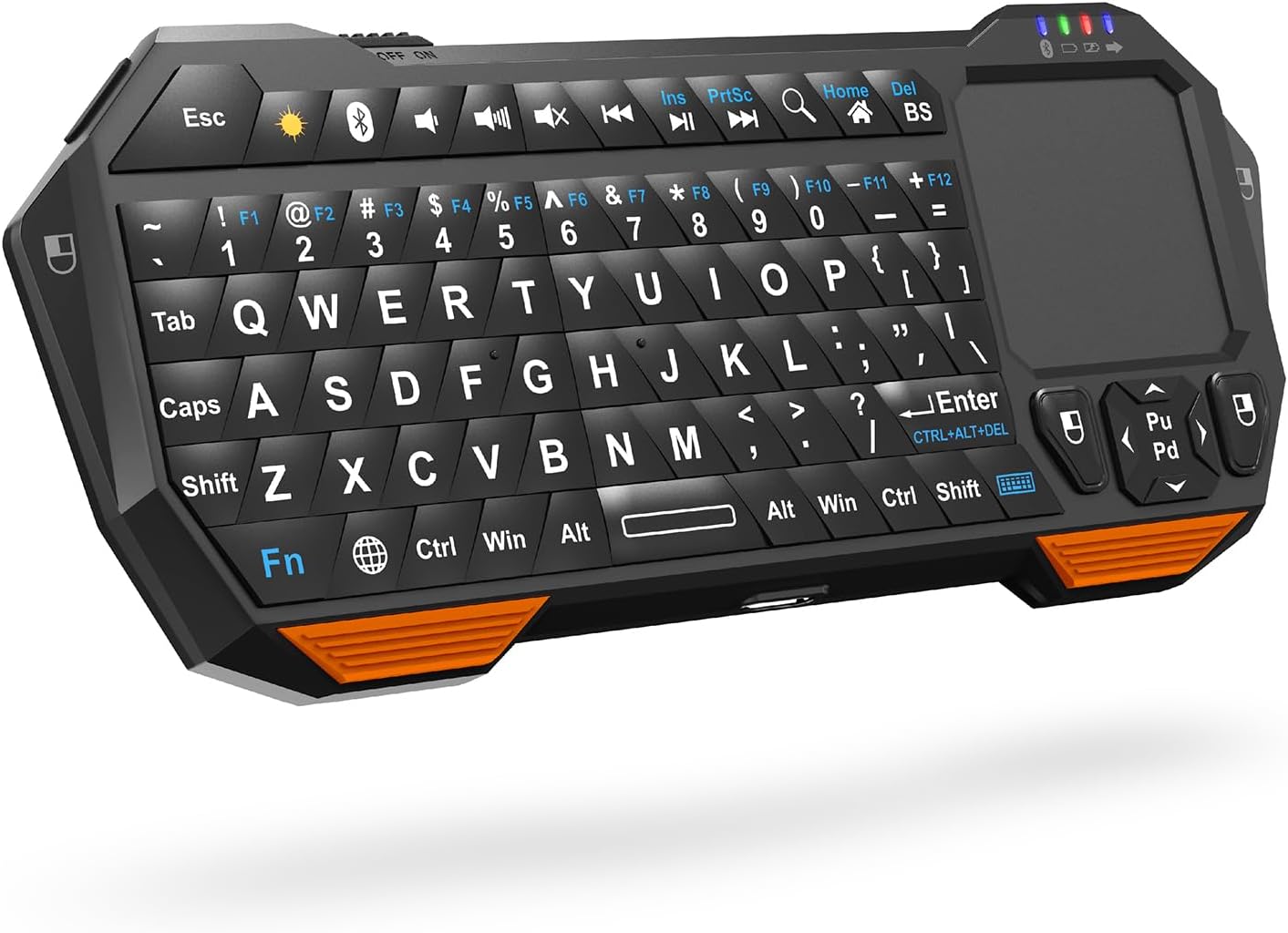
| Best wireless with integrated touchpad | Logitech K400 Plus |
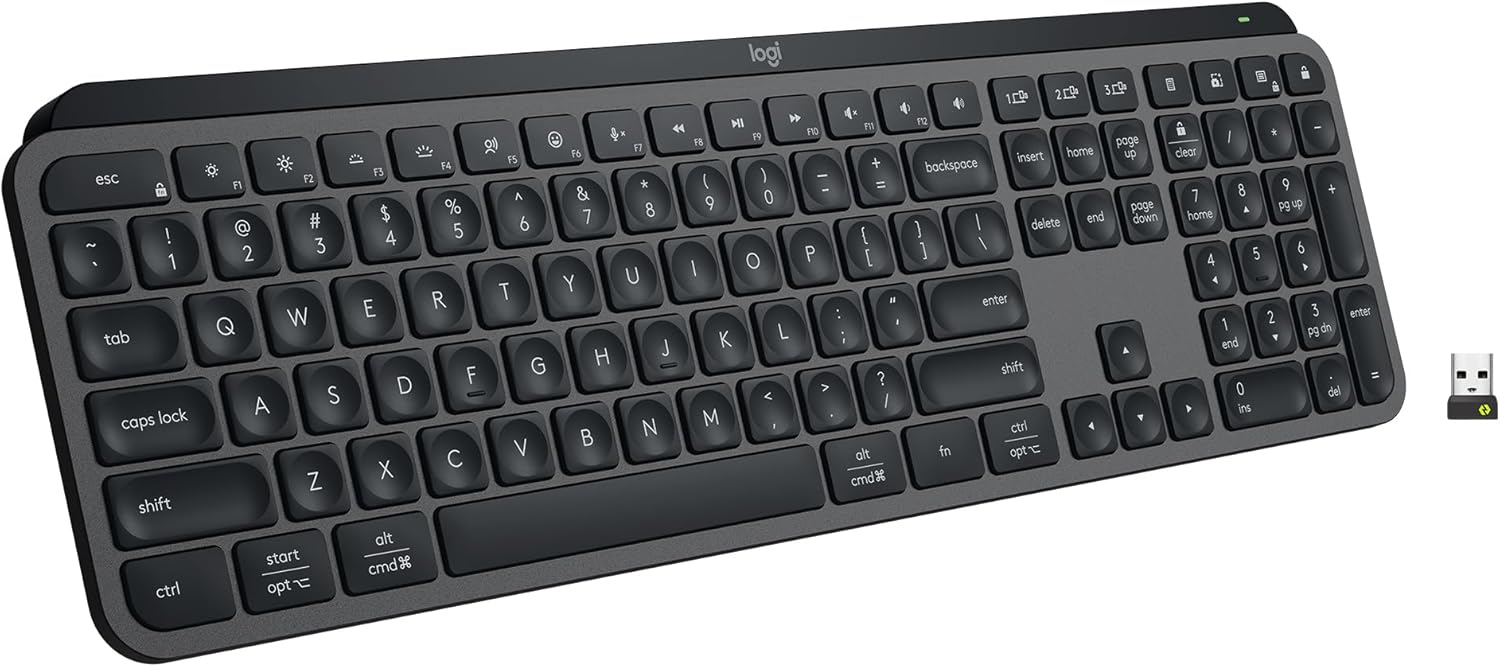
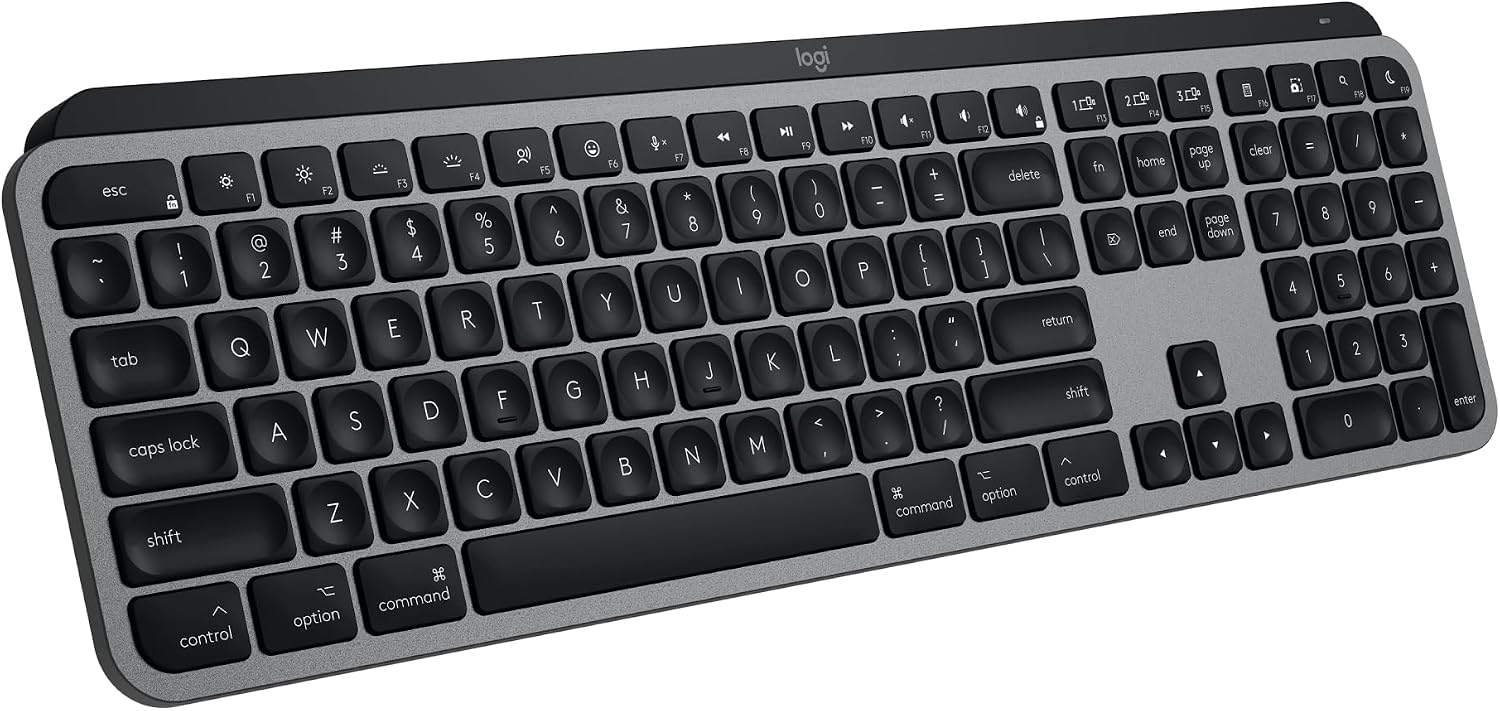
| Best low‑profile, premium feel | Logitech MX Keys S |
Comparison table
| Product | Switch type (stock) | Layout / Size | Connectivity | Noise (dB)* | Typical price | Rating |
|---|---|---|---|---|---|---|
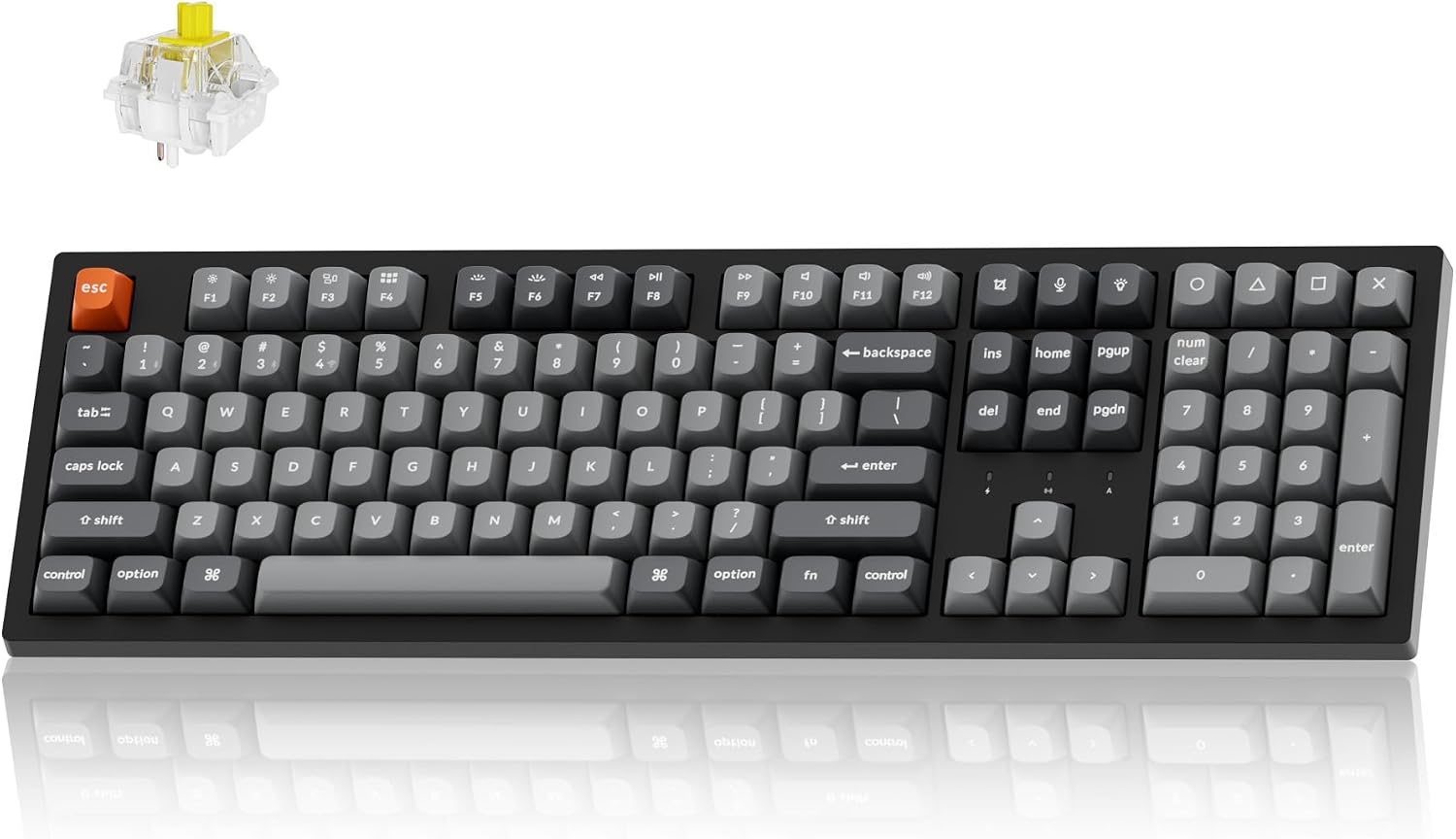
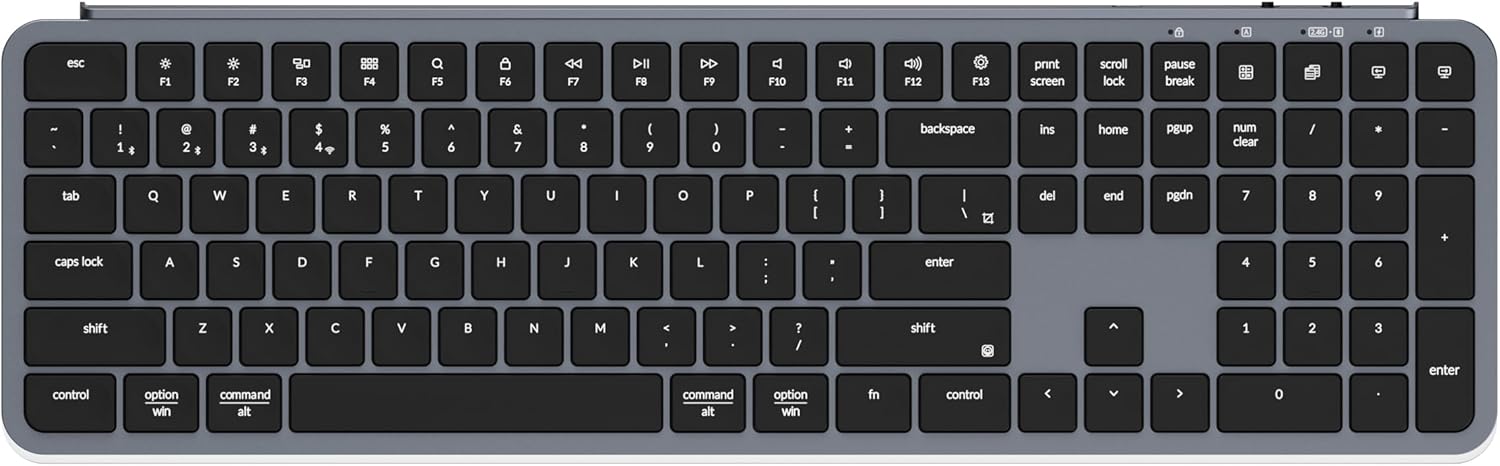
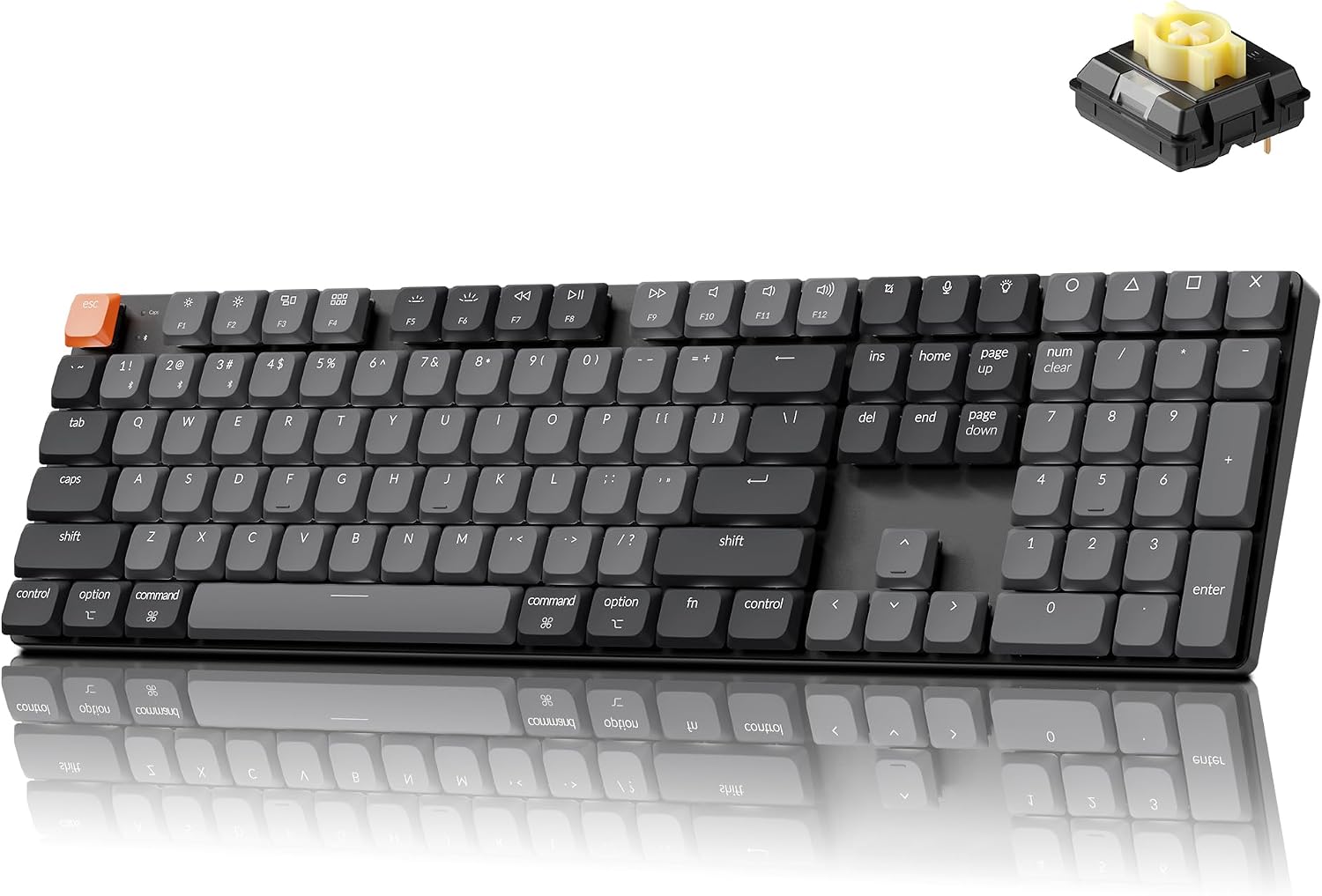
| Keychron K8 Pro | Hot‑swap (Gateron Red, Blue, Brown, etc.) | Tenkeyless (87 keys) | Bluetooth 5.1 / USB‑C wired | 45‑55 dB (depends on switch) | $119–$149 | 4.5/5 |
| Logitech MX Mechanical | Low‑profile tactile (GX Blue) | Full‑size (104 keys) | Bluetooth 5 / USB‑C wired | ~48 dB | $119–$149 | 4.4/5 |
| NuPhy Air75 V2 | Hot‑swap low‑profile (Kailh Low‑Profile) | 75% (84 keys) | Bluetooth 5 / USB‑C wired | 40‑50 dB | $140–$170 | 4.4/5 |
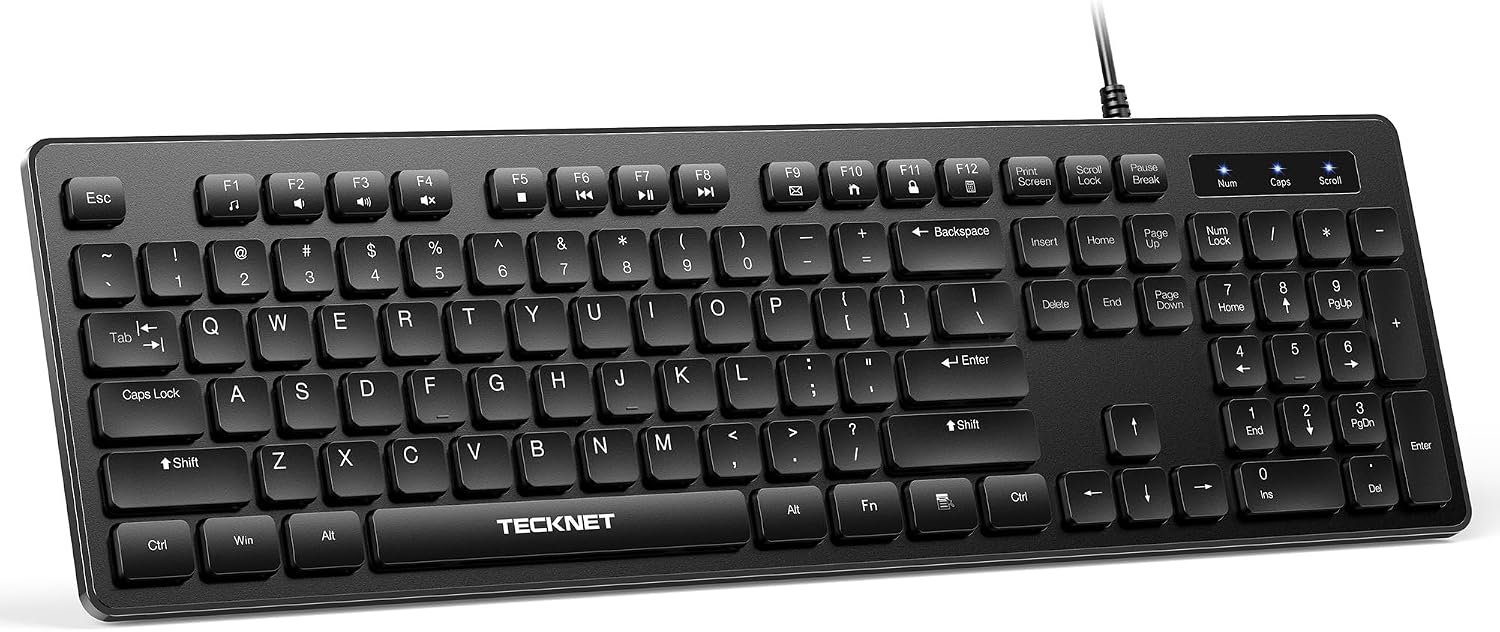
| Keychron C3 Pro | Hot‑swap (Gateron Red, Brown, etc.) | Full‑size (104 keys) | USB‑C wired (no Bluetooth) | 45‑55 dB | $119–$149 | 4.3/5 |
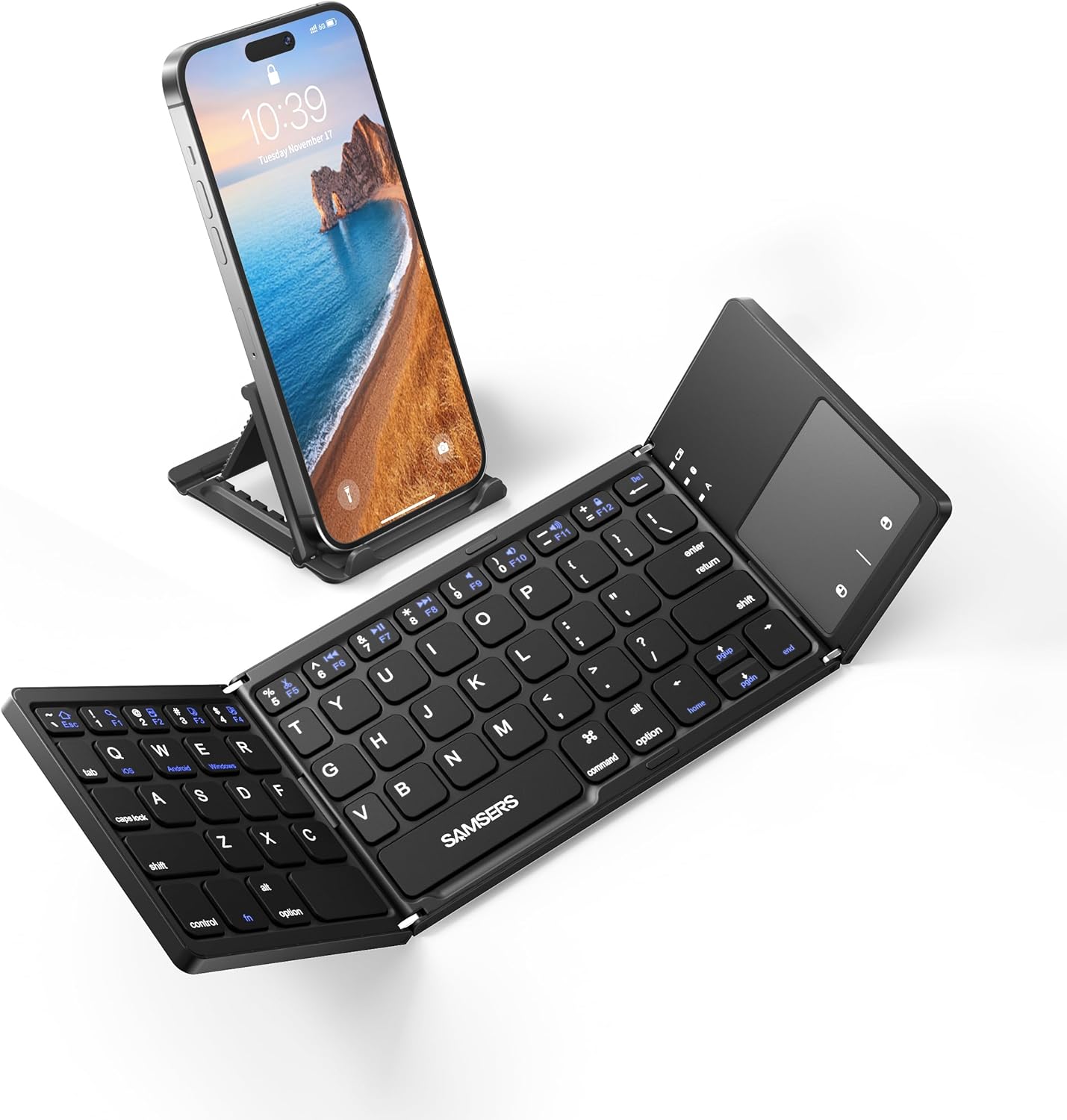
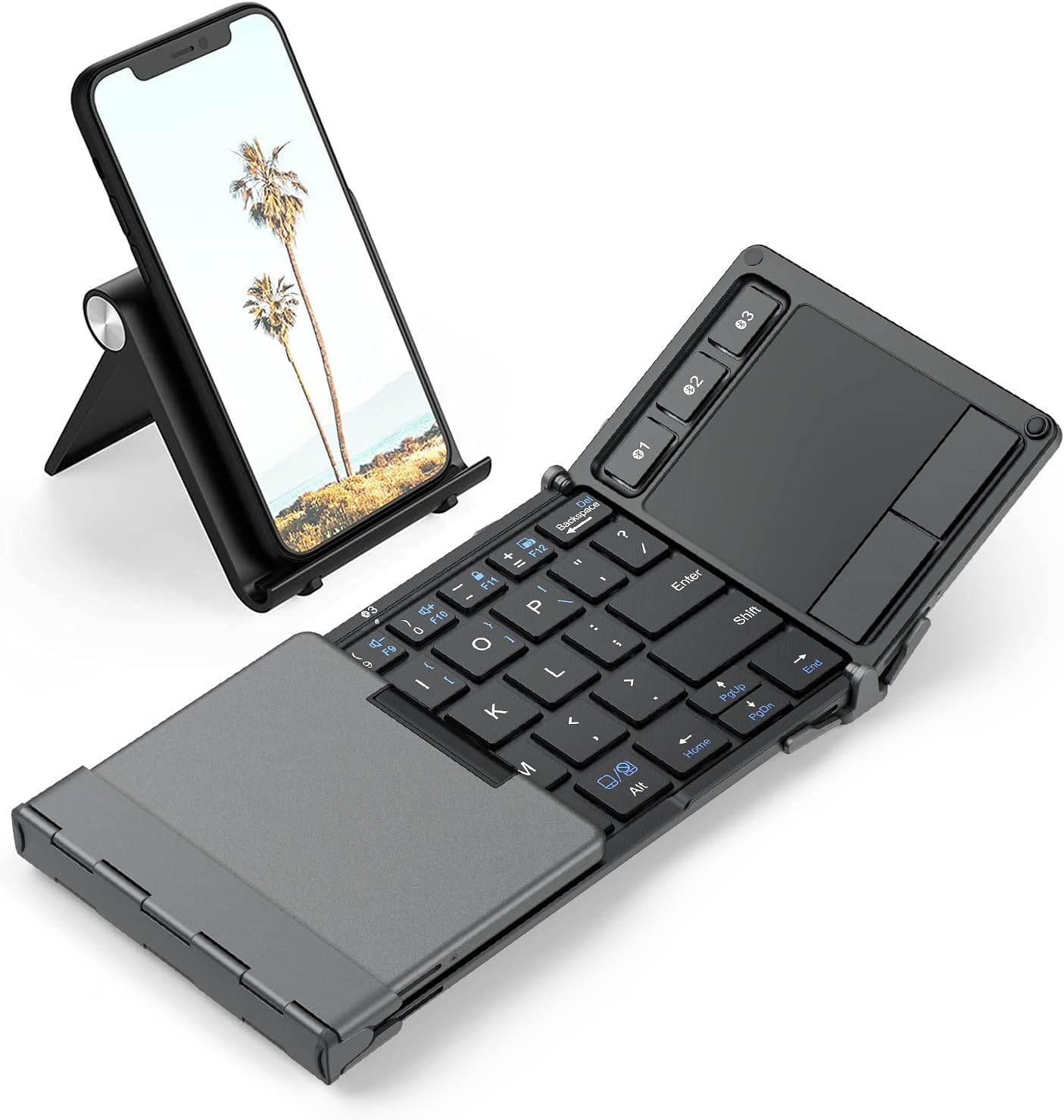
| Logitech K400 Plus | Membrane (quiet) | Compact with touchpad (78 % layout) | 2.4 GHz wireless (33 ft) | ~38 dB | $30–$40 | 4.5/5 |
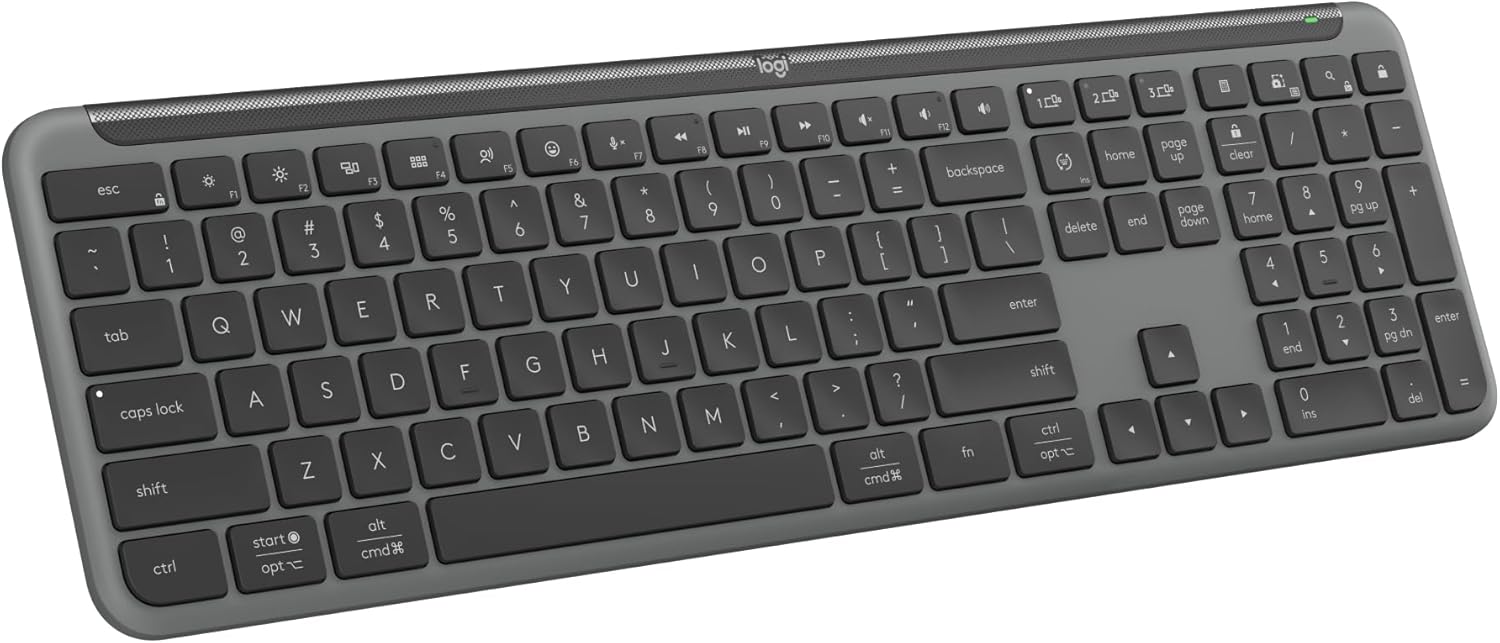
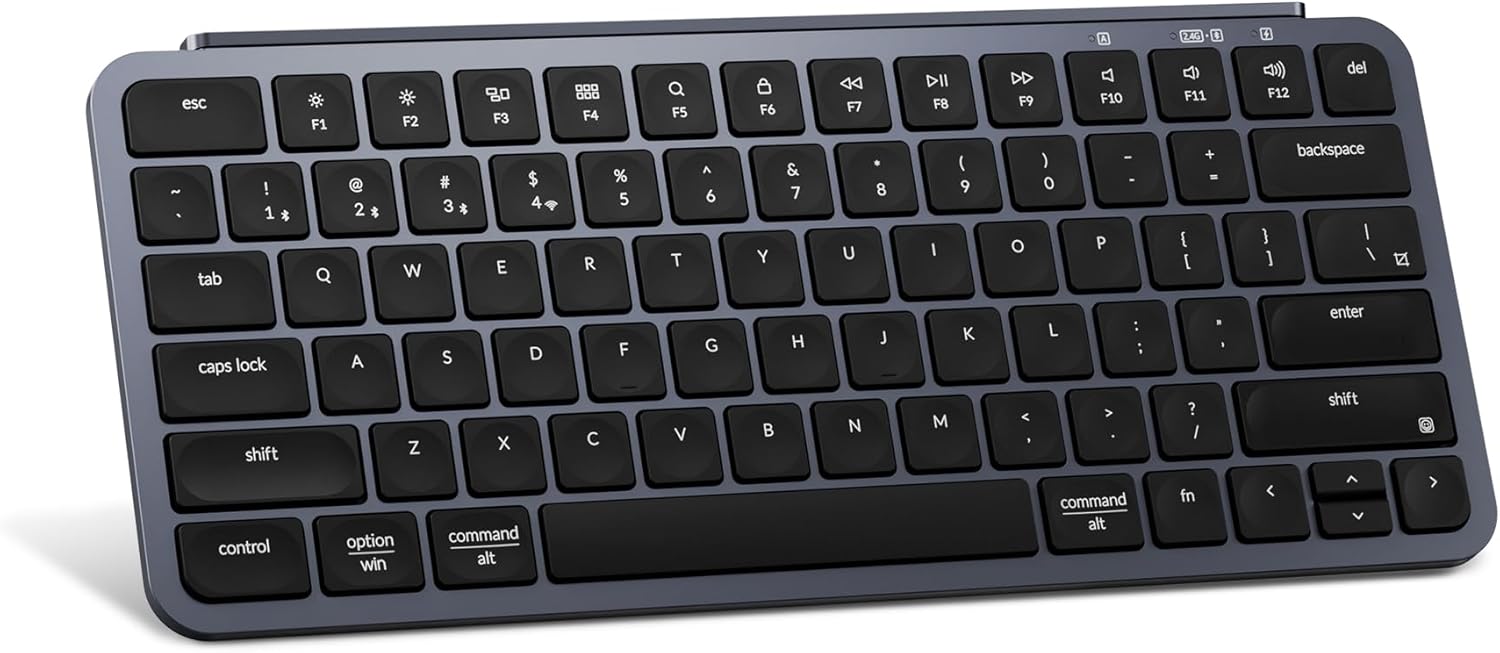
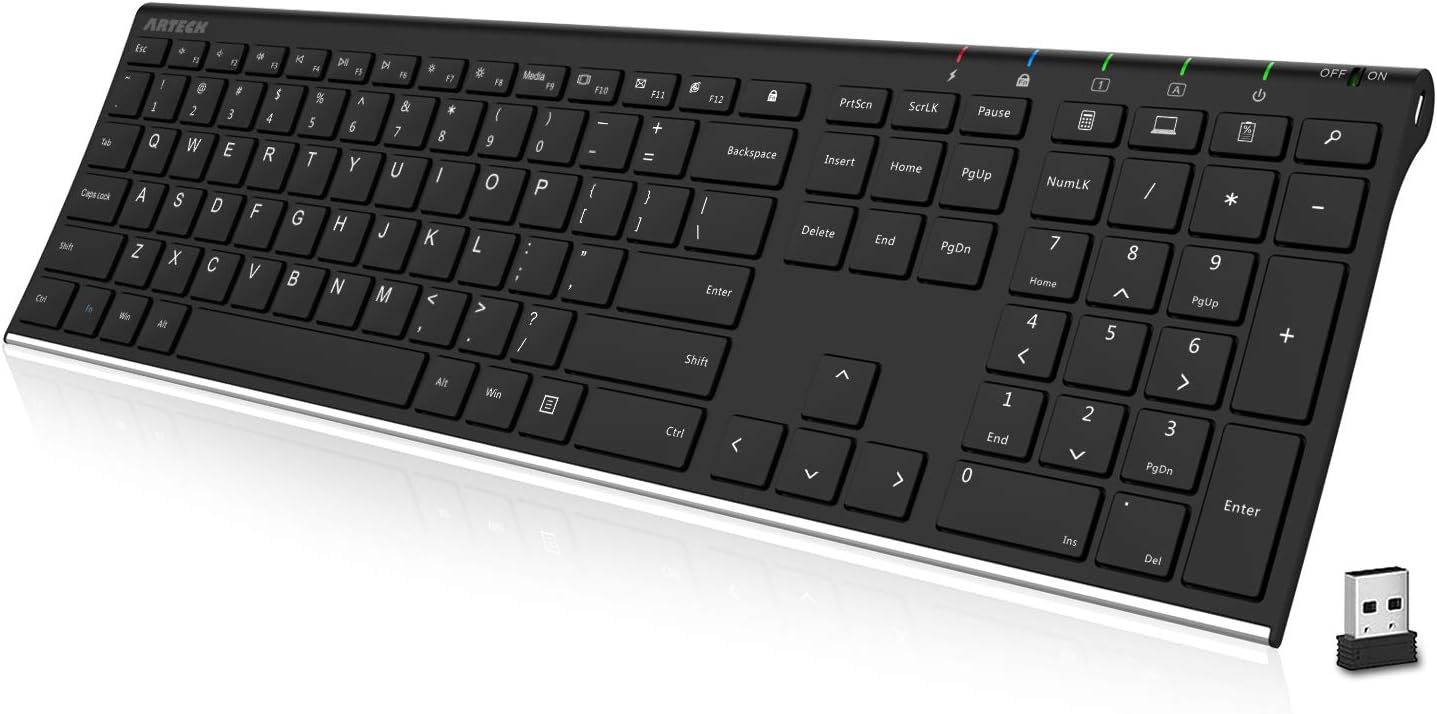
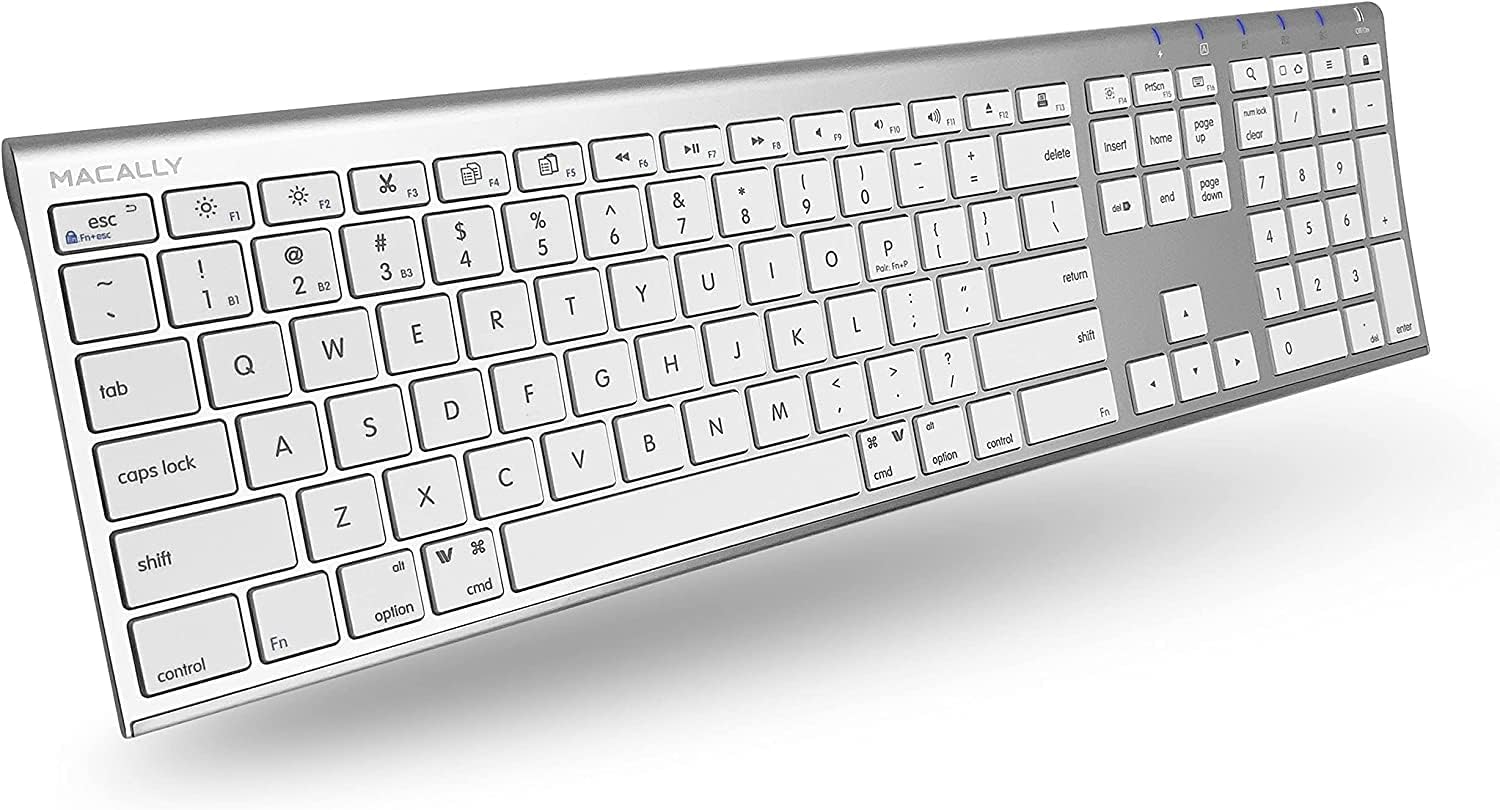
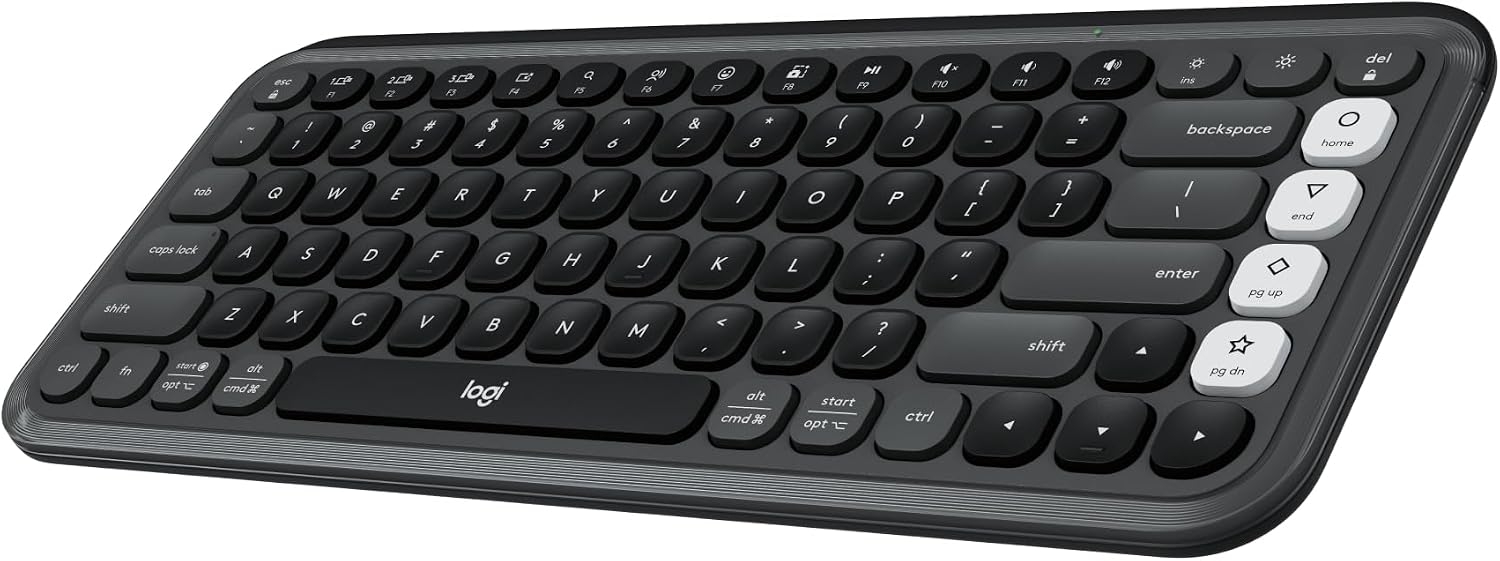
| Logitech MX Keys S | Low‑profile (scissor) | Low‑profile full‑size | Bluetooth 5 / USB‑C wired | ~42 dB | $99–$129 | 4.5/5 |
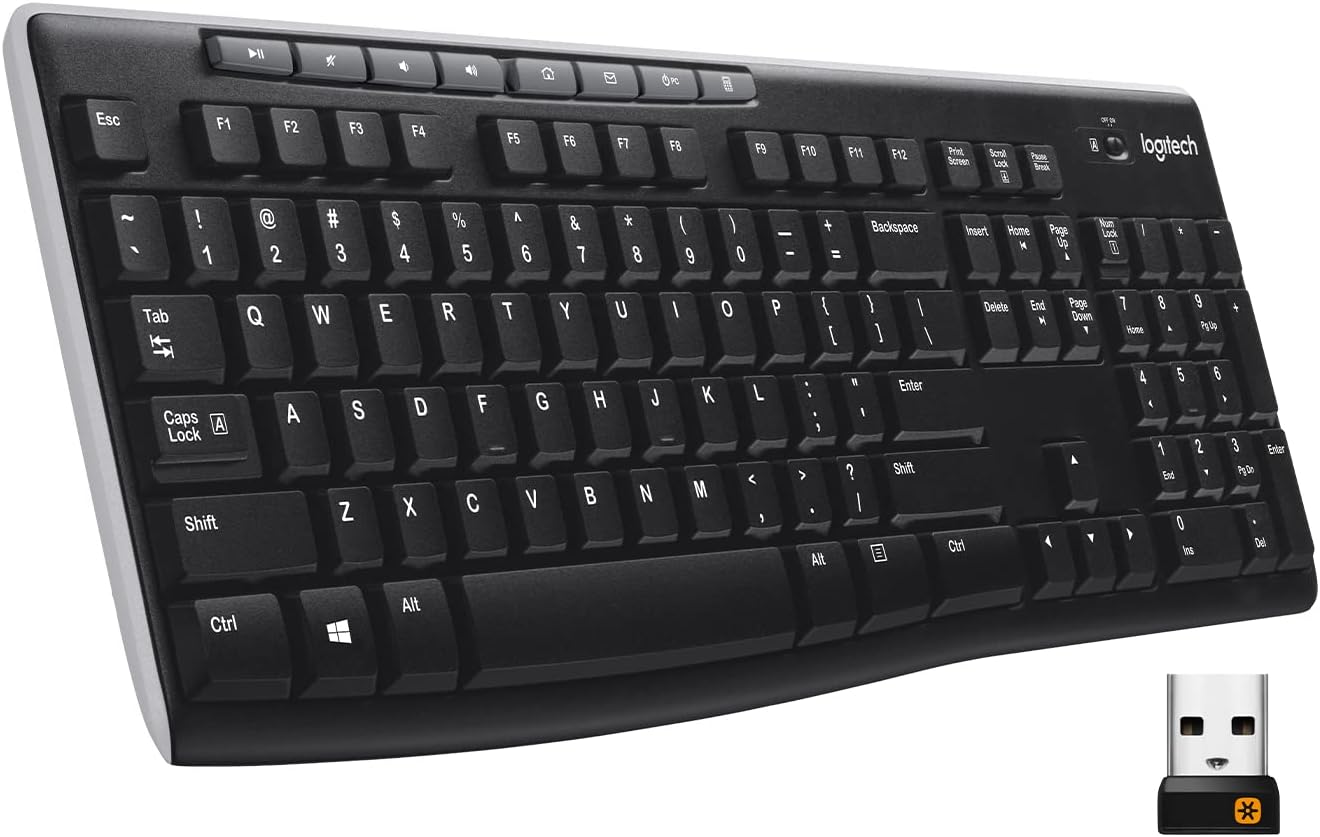
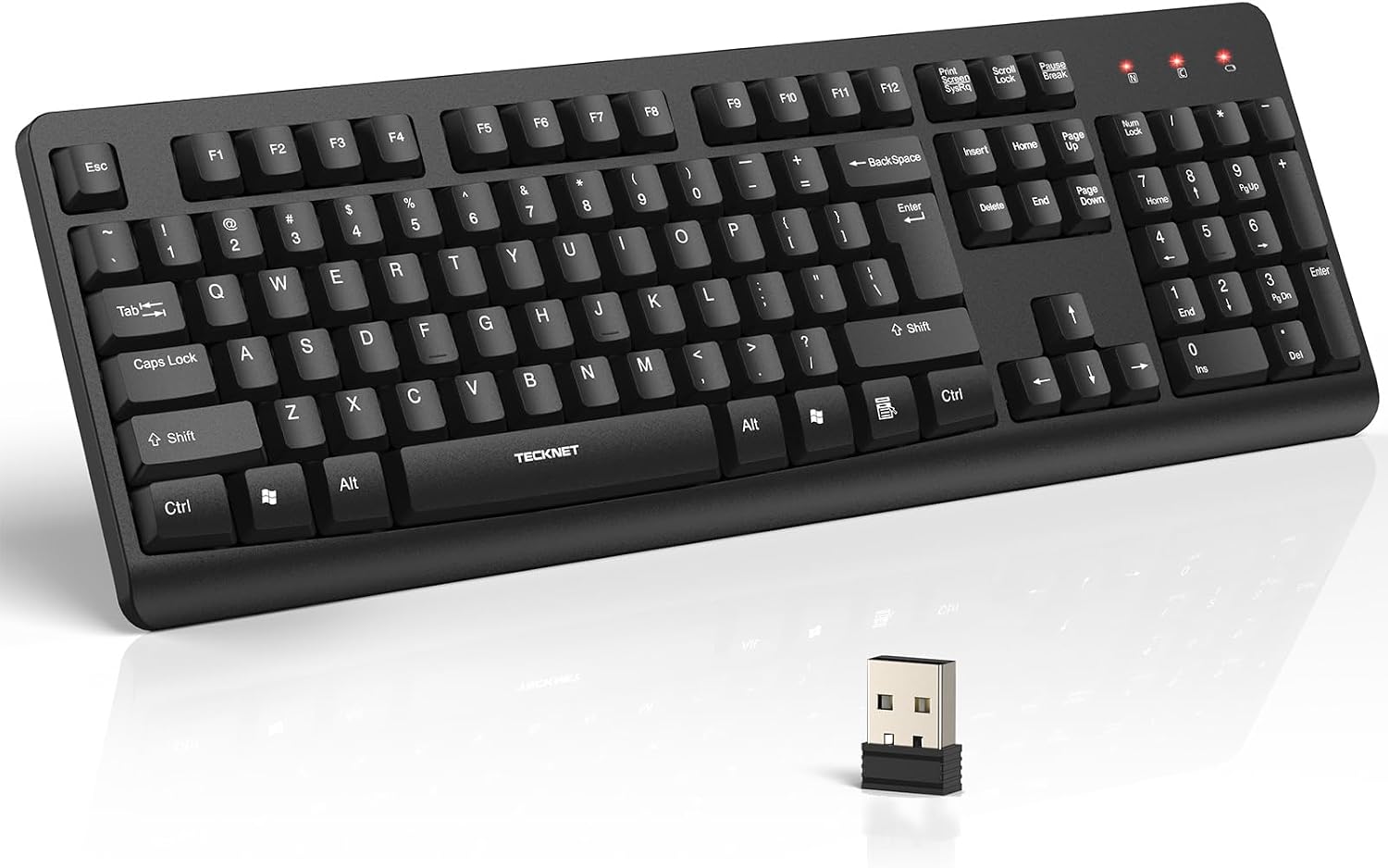
| Logitech K270 | Membrane (quiet) | Full‑size | 2.4 GHz wireless | ~38 dB | $20–$30 | 4.3/5 |
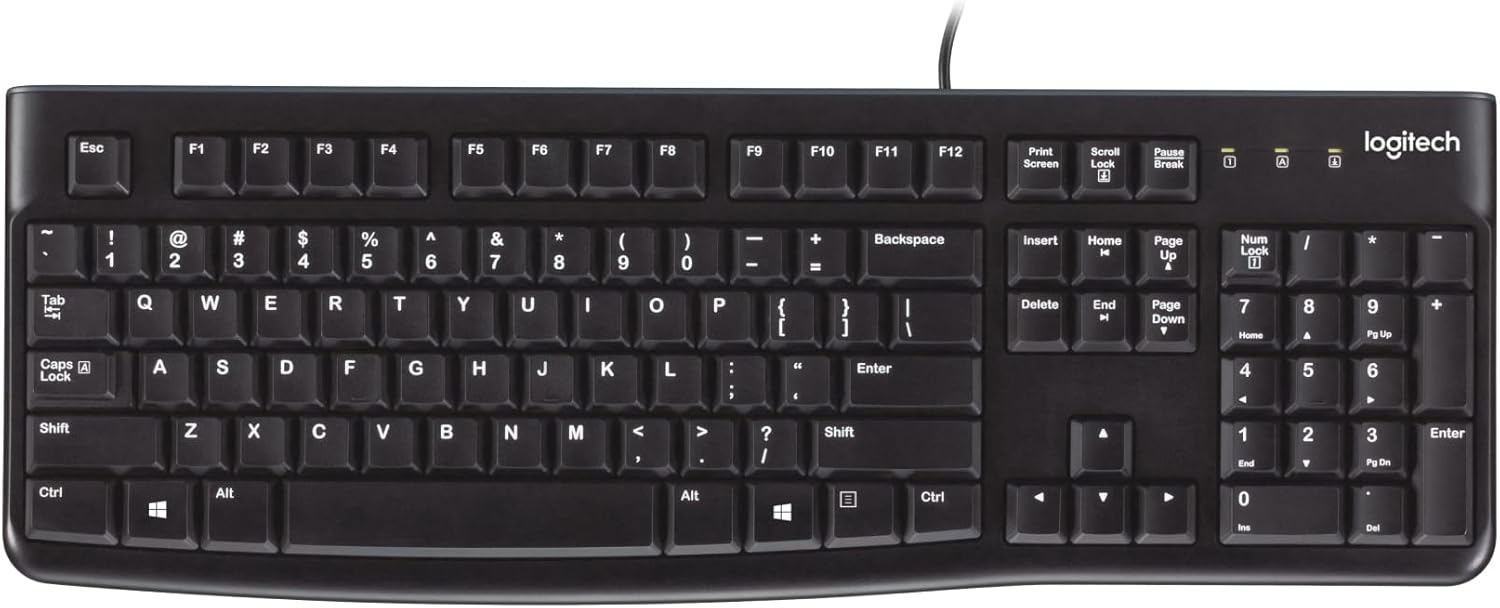
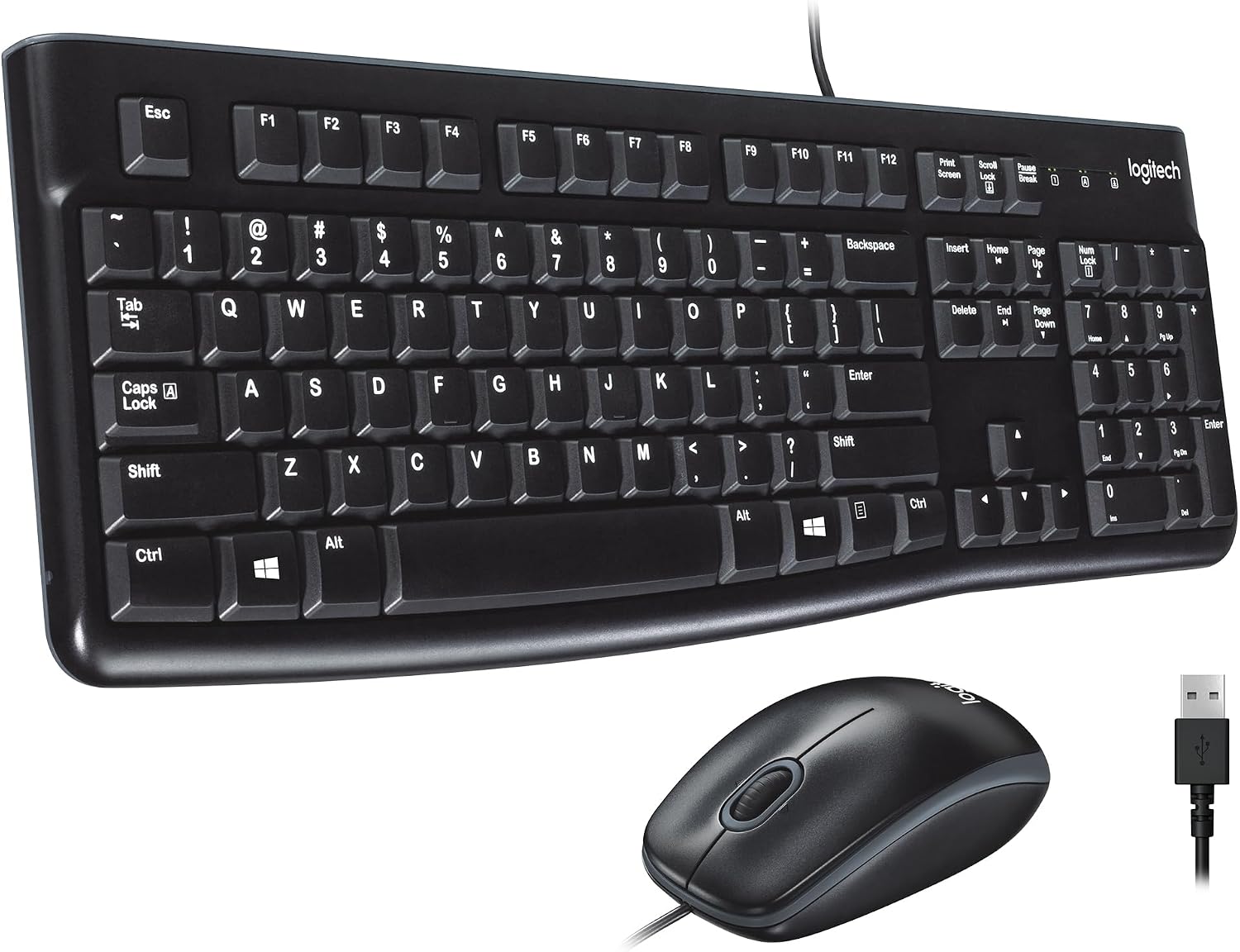
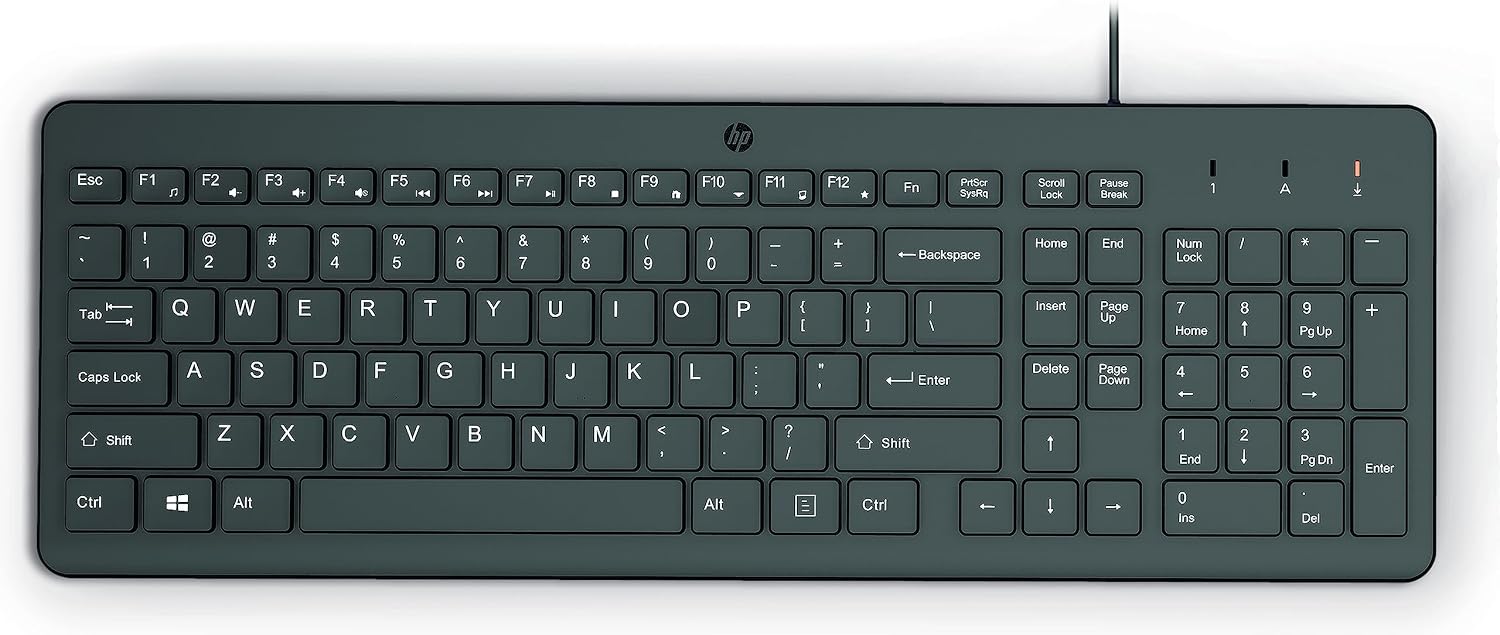
| Logitech K120 | Membrane (quiet) | Full‑size | Wired USB‑A | ~35 dB | $15–$20 | 4.2/5 |
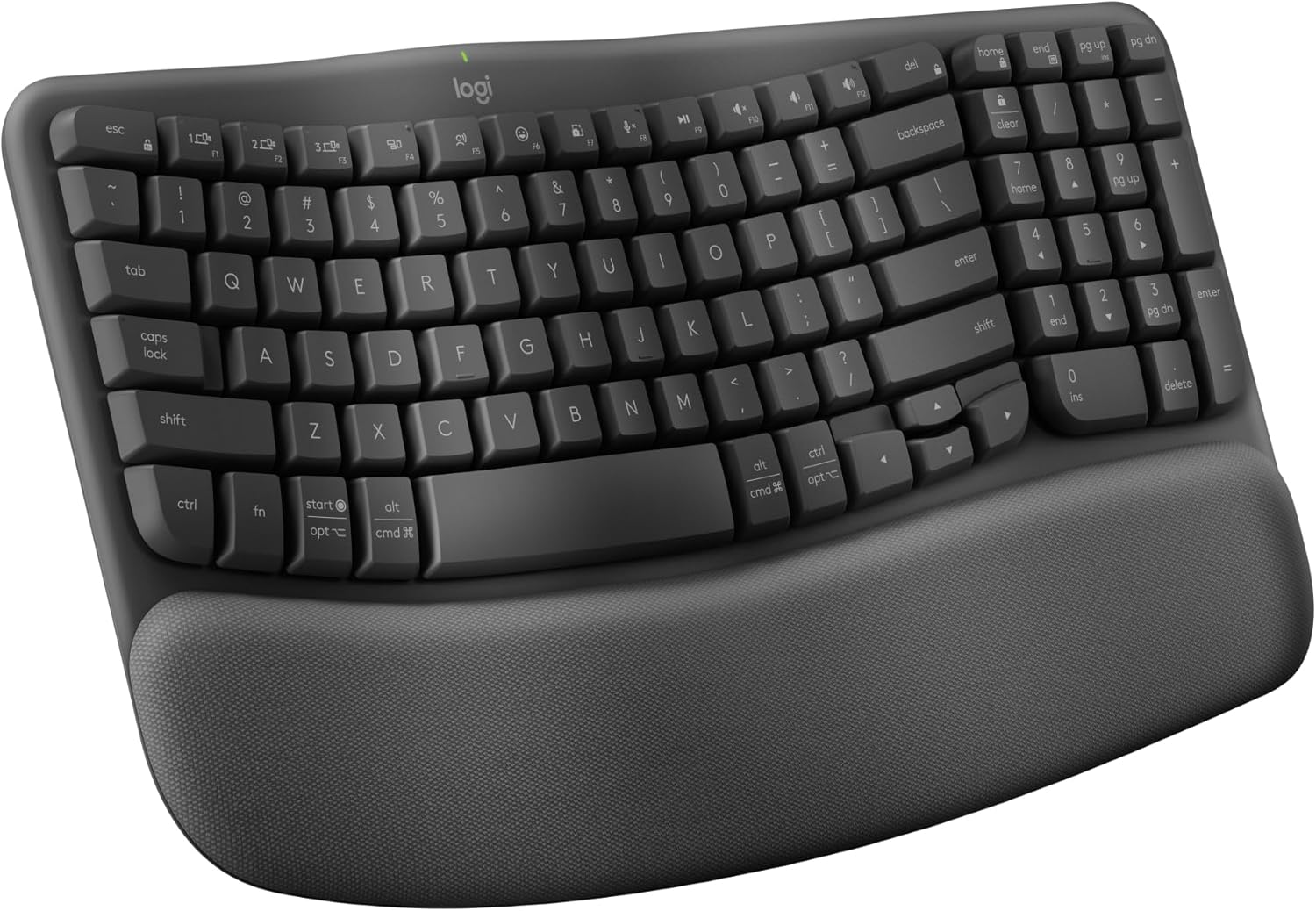
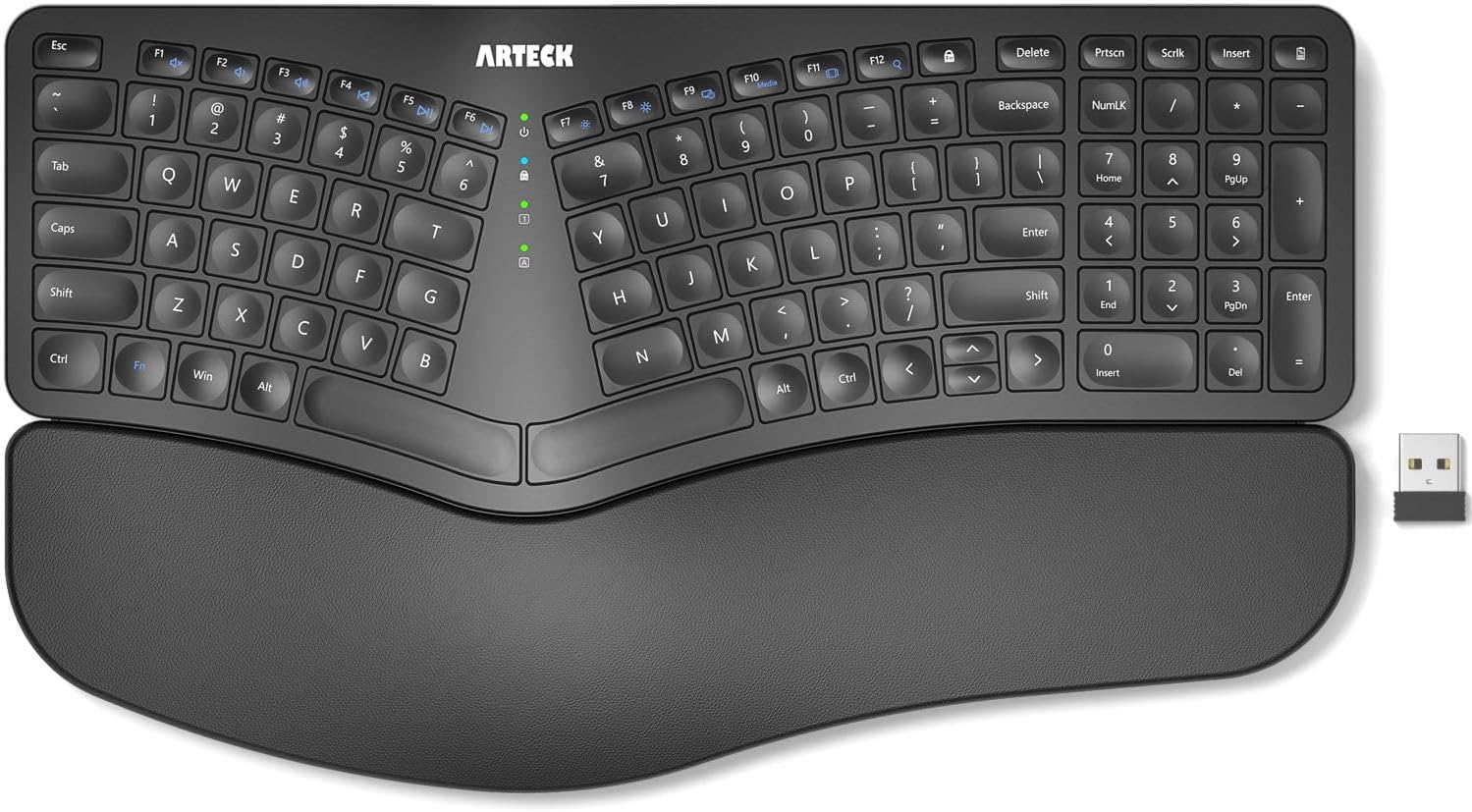
| Logitech Wave Keys | Membrane (quiet) | Ergonomic wave (104 keys) | 2.4 GHz wireless | ~38 dB | $70–$90 | 4.3/5 |
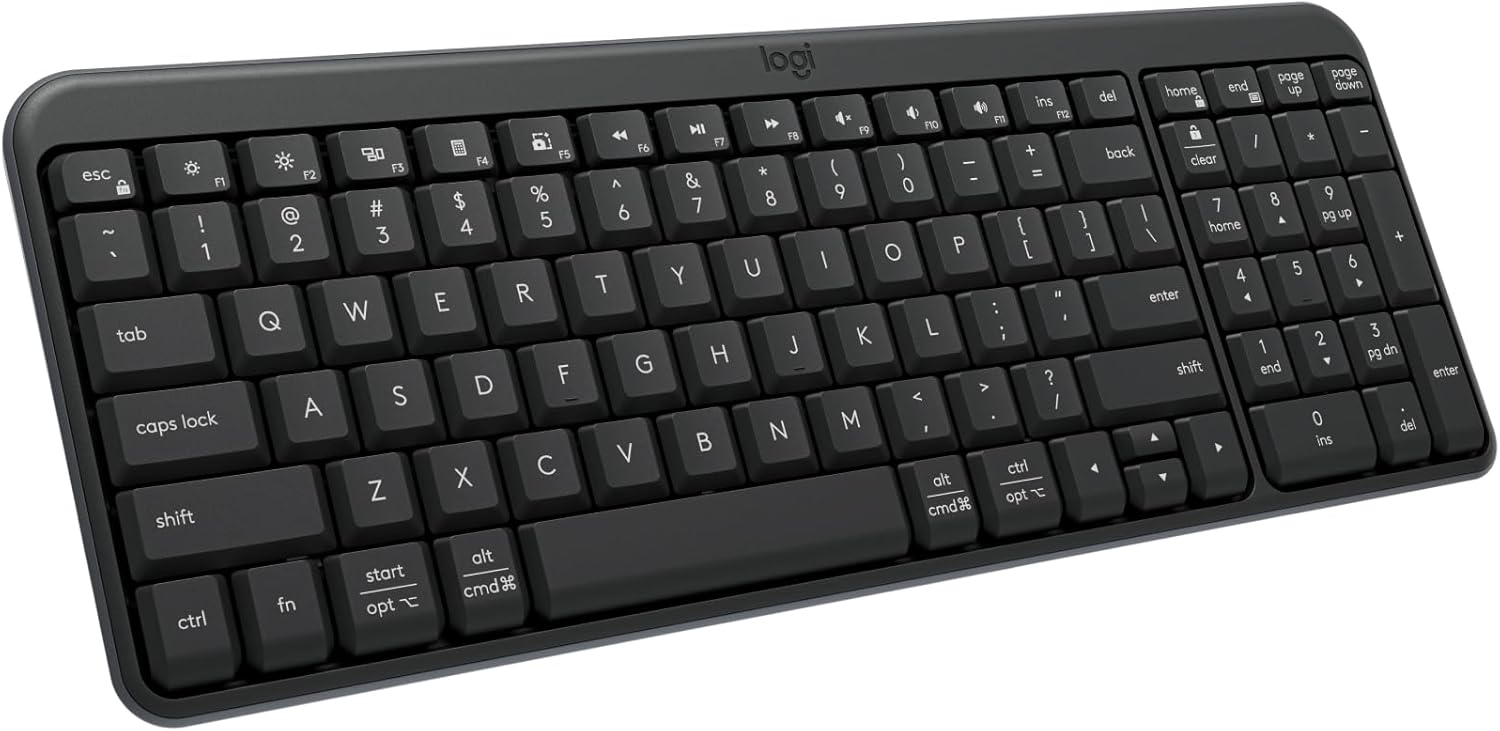
| Logitech K250 | Membrane (quiet) | Compact with number pad | Bluetooth 5 / 2.4 GHz | ~38 dB | $30–$50 | 4.2/5 |
\*Noise levels are approximate, measured at the keycap surface with a standard typing force.
What to look for
Choosing a mechanical keyboard isn’t just about “mechanical vs. membrane.” The details matter, especially when you’re using the keyboard for long stretches of work and frequent video calls. Below are the criteria I evaluate for every recommendation.
Switch type
| Switch family | Feel | Actuation force | Travel distance | Typical noise (dB) |
|---|---|---|---|---|
| Linear (e.g., Gateron Red, Cherry MX Red) | Smooth, no tactile bump | 45 g | 2.0 mm | 45‑55 |
| Tactile (e.g., Gateron Brown, Cherry MX Brown) | Small bump, no click | 45‑55 g | 2.0 mm | 48‑58 |
| Clicky (e.g., Gateron Blue, Cherry MX Blue) | Click on actuation | 50‑60 g | 2.2 mm | 60‑70 |
| Low‑profile tactile (e.g., Logitech GX Blue, Kailh Low‑Profile) | Shallow bump, shorter travel | 45 g | 1.2‑1.5 mm | 40‑50 |
| Scissor (e.g., MX Keys S) | Quiet, short travel, low profile | 45 g | 1.2 mm | 35‑42 |
Why it matters: * Noise: Clicky switches can be distracting on a shared call. Tactile or low‑profile switches keep the click under 50 dB, which most office environments tolerate. * Feel: If you type fast, linear switches reduce finger fatigue. If you need feedback, tactile or low‑profile tactile are better. * Hot‑swap: Some keyboards (Keychron K8 Pro, C3 Pro, NuPhy Air75 V2) let you swap switches without soldering, giving you future flexibility.
Layout and size
| Layout | Keys | Typical dimensions (W × D × H) | Ideal for |
|---|---|---|---|
| Full‑size (104) | 104 | 17.5 × 5.5 × 1.5 in (44.5 × 14 × 3.8 cm) | Users who need a dedicated number pad |
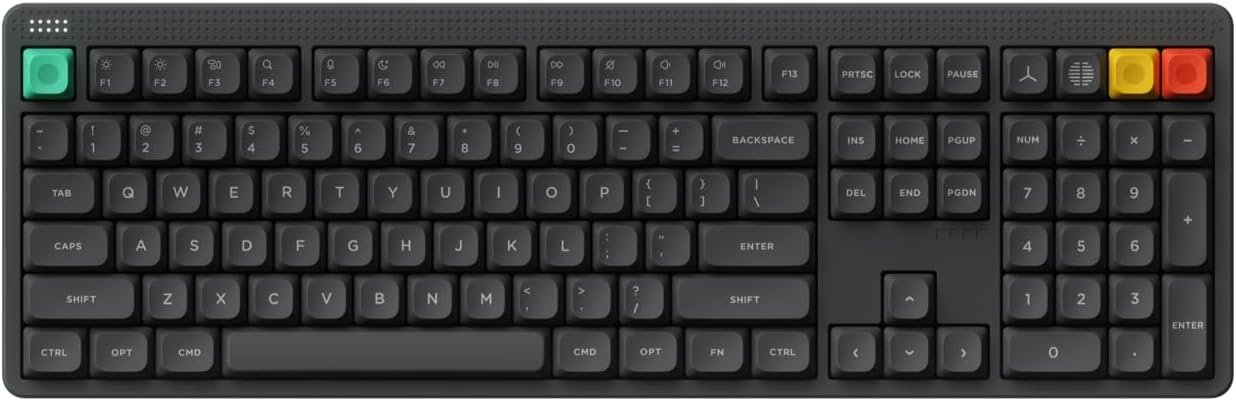
| Tenkeyless (TKL, 87) | 87 | 14.7 × 5.5 × 1.5 in (37.3 × 14 × 3.8 cm) | Desk‑space limited, no numpad needed |
| 75% (84) | 84 | 13.0 × 5.0 × 1.5 in (33 × 12.7 × 3.8 cm) | Compact but retain arrow keys |
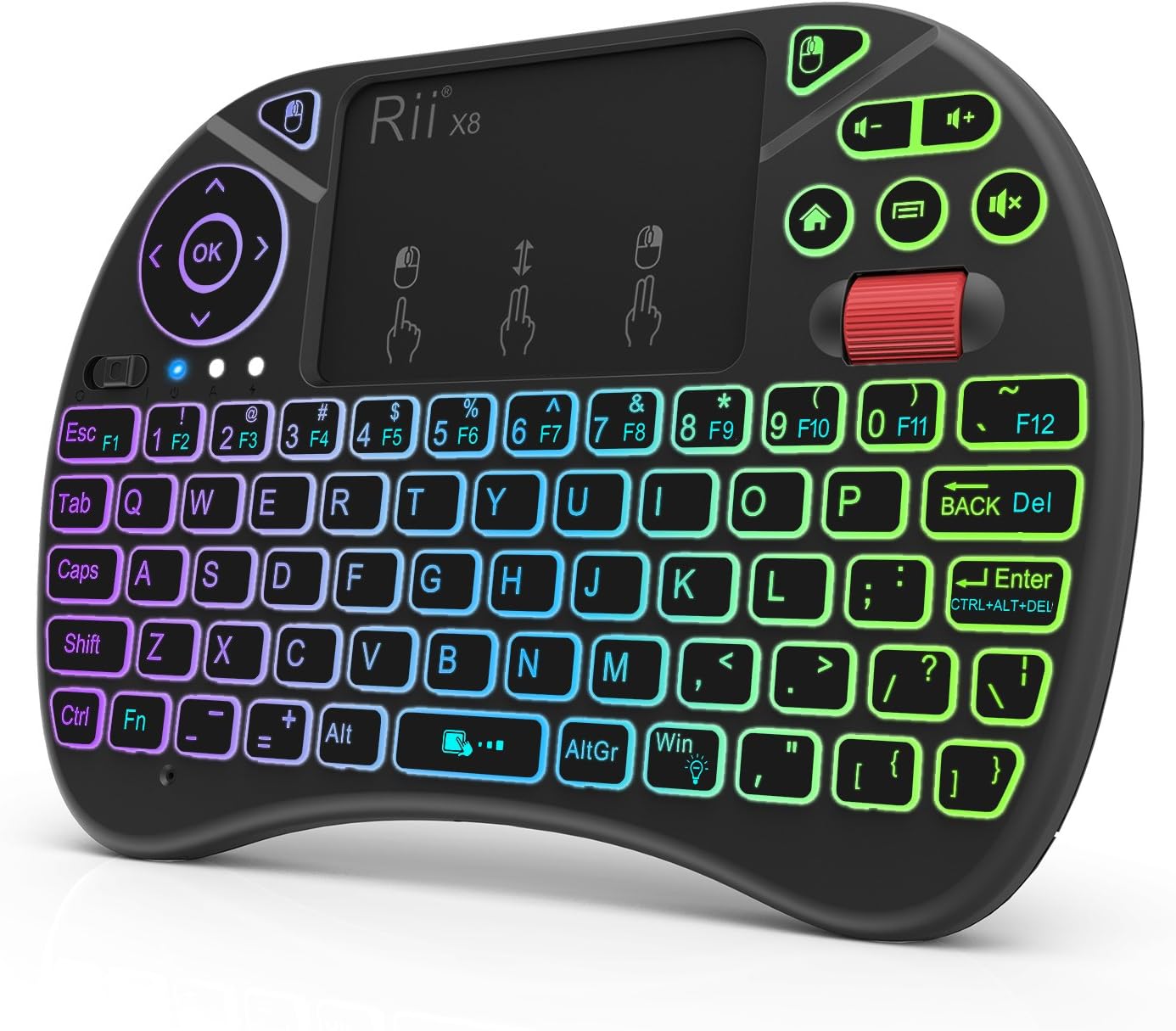
| Compact with touchpad (78 % + touchpad) | ~78 + touchpad | 12.0 × 5.0 × 1.2 in (30.5 × 12.7 × 3 cm) | Minimal desk footprint, all‑in‑one control |
| Ergonomic wave (104) | 104 | 16.5 × 6.0 × 1.6 in (42 × 15.2 × 4 cm) | Users who need wrist‑friendly angle |
Why it matters: * Desk real‑estate: A 75% or 78% layout can free up space for a second monitor or a standing desk. * Number pad: If you work with spreadsheets, a full‑size board is a productivity win. * Ergonomics: Wave or split designs reduce ulnar deviation but add a learning curve.
Noise level
Conference calls demand a quiet typing experience. While dB measurements are rarely listed, you can infer noise from switch type and keycap material. PBT keycaps tend to dampen sound compared with ABS. Adding o‑rings can shave 3‑5 dB off clicky switches.
Connectivity: wired vs. wireless
| Connection | Latency (typical) | Battery life* | Pros | Cons |
|---|---|---|---|---|
| Wired (USB‑C) | 1‑2 ms (USB 2.0) | N/A | No lag, no charging, universal | |
| Bluetooth 5.0/5.1 | 8‑12 ms (depends on OS) | 30‑200 h (depends on backlight) | Cable‑free desk, multi‑device pairing | |
| 2.4 GHz dongle | 3‑5 ms | 6‑12 months (AA batteries) | Very low latency, easy plug‑and‑play |
*Battery life varies with backlight brightness and polling rate.
What to consider: * Latency for coding or data entry: <10 ms is imperceptible for most office tasks. * Charging: USB‑C fast charging (e.g., 1 A) can replenish a 500 mAh battery in under an hour. * Security: Bluetooth may be vulnerable in corporate networks; a dongle offers a closed RF channel.
Build quality & materials
* Frame: Aluminum (0.8‑1.2 mm thickness) adds rigidity and feels premium; ABS is lighter but can flex under heavy typing. * Keycaps: PBT double‑shot caps resist shine for years; ABS caps may develop a glossy finish after weeks. * Weight: Ranges from 1.0 kg (compact low‑profile) to 1.6 kg (full‑size with metal plate). Heavier boards stay put, lighter ones are portable.
Battery & power
Wireless mechanical keyboards typically house a 500‑800 mAh Li‑ion cell. With RGB off and a modest 30 % backlight, you can expect 150‑200 hours of typing. Some models (Logitech MX Mechanical, MX Keys S) support USB‑C power‑delivery for fast top‑up.
Hot‑swap capability
If you anticipate changing switches down the line, look for a hot‑swap PCB. This feature adds a small learning curve (you need a switch puller) but eliminates soldering. Keychron K8 Pro, C3 Pro, and NuPhy Air75 V2 all support hot‑swap.
Software & customization
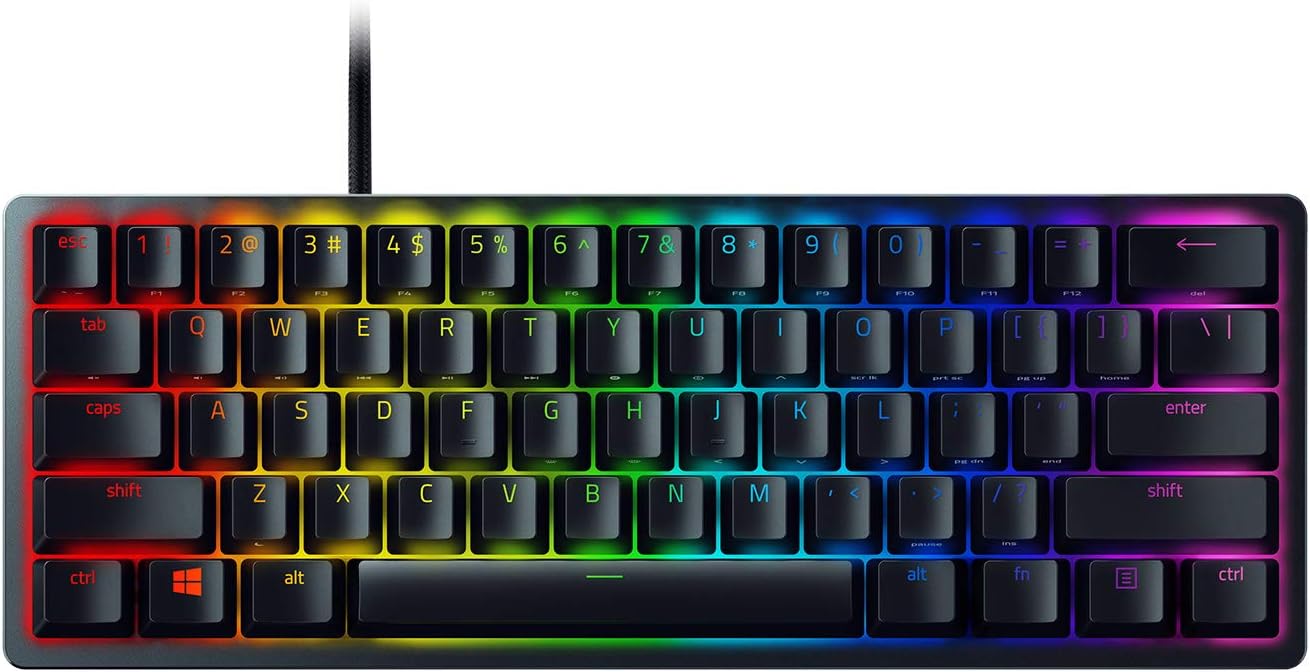
* Key remapping: Most mechanical boards rely on third‑party tools (e.g., VIA, QMK). Low‑profile Logitech models ship with Logitech Options, which lets you assign macros and adjust backlight zones. * RGB: Not essential for work, but if you enjoy a subtle accent, look for per‑key RGB with a low‑profile mode (Keychron K8 Pro, C3 Pro).
Compatibility (Mac vs. Windows)
A dedicated Mac layout (⌘ and Option swapped) saves you from manual key remapping. The Keychron K8 Pro and MX Mechanical both include a Mac‑Windows toggle switch. Others (e.g., Logitech MX Keys S) auto‑detect the OS via the Logitech Options software.
Product deep‑dives
Below are the individual reviews. For each, I cover who it suits best, the single thing it outshines the competition on, an honest drawback, and the type of user who should skip it.
Keychron K8 Pro – Best overall
Who it suits: Remote workers who want a tenkeyless board with the freedom to swap switches and switch between Bluetooth and wired modes without missing a beat.
One thing it does better: The hot‑swap PCB lets you change from a silent linear to a tactile or clicky switch in seconds, so you can fine‑tune the feel as your typing style evolves.
Drawback: The Bluetooth 5.1 connection can occasionally drop on older macOS versions, requiring a quick re‑pair.
Who should skip it: If you need a dedicated number pad for heavy spreadsheet work, the tenkeyless layout will feel limiting.
Logitech MX Mechanical – Best for work
Who it suits: Professionals who value a low‑profile feel, sleek aesthetics, and seamless multi‑device pairing (Windows, macOS, Linux, Android).
One thing it does better: Its low‑profile tactile GX Blue switches provide a crisp, responsive click while staying under 50 dB, making it quiet enough for conference calls yet satisfying for typists.
Drawback: No hot‑swap; you’re locked into the stock switches for the life of the keyboard.
Who should skip it: Anyone who prefers traditional high‑travel mechanical switches or wants a compact 75% layout.
NuPhy Air75 V2 – Best low‑profile
Who it suits: Designers and coders who love an ultra‑thin profile (1.2 in height) and want a wireless board that still feels “mechanical.”
One thing it does better: The combination of low‑profile hot‑swap switches and a 75% layout gives you a portable, space‑saving board without sacrificing customizability.
Drawback: Battery life drops sharply if you enable the per‑key RGB at high brightness—expect around 80 hours instead of 150.
Who should skip it: If you need a full‑size keyboard with a numeric keypad, the Air75’s 84‑key layout won’t cut it.
Keychron C3 Pro – Best budget
Who it suits: Freelancers and students who want a full‑size mechanical board with hot‑swap capability but don’t want to break the bank.
One thing it does better: It packs premium features (hot‑swap, full RGB, aluminum frame) into a price bracket usually reserved for membrane keyboards.
Drawback: The USB‑C cable is not detachable, so you can’t replace a damaged cable without opening the case.
Who should skip it: If you need wireless connectivity for a clean desk, the C3 Pro is wired‑only.
Logitech K400 Plus – Best wireless with integrated touchpad
Who it suits: Home‑office users who want a single device that handles both typing and cursor control, especially on a couch or standing desk.
One thing it does better: The built‑in precision touchpad eliminates the need for a separate mouse, saving desk space and reducing cable clutter.
Drawback: It’s a membrane keyboard, so the typing feel is softer and less tactile than a true mechanical board.
Who should skip it: Mechanical‑keyboard purists who demand clicky or tactile feedback will find the K400 Plus underwhelming.
Logitech MX Keys S – Best low‑profile, premium feel
Who it suits: Power users who want a low‑profile, fluid‑precise typing experience across multiple devices, with a sleek aesthetic that matches a modern office.
One thing it does better: The Fluid‑Precise keys (scissor‑style) deliver a near‑silent, buttery feel while the smart backlighting adjusts to ambient light automatically.
Drawback: Because it uses scissor switches, it isn’t a “mechanical” keyboard in the traditional sense—some mechanical fans may feel it’s cheating.
Who should skip it: If you specifically want a mechanical switch experience (clicky, tactile, or hot‑swap), look elsewhere.
Logitech K270 – Popular pick (budget wireless)
Who it suits: Anyone needing a reliable, no‑frills wireless keyboard for occasional typing or as a backup.
One thing it does better: Its 2.4 GHz dongle offers rock‑solid connectivity with up to two years of battery life on a single AA.
Drawback: Membrane keys feel mushy compared with mechanical alternatives, and there’s no backlighting.
Who should skip it: If you type more than a few hours a day, the lack of tactile feedback can cause fatigue.
Logitech K120 – Popular pick (budget wired)
Who it suits: Students, budget‑conscious offices, or anyone who wants a plug‑and‑play keyboard without any setup.
One thing it does better: Spill‑resistant design and a sturdy plastic frame that survive accidental coffee spills.
Drawback: No Bluetooth, no backlight, and the keys are low‑travel membrane—hardly a “mechanical” experience.
Who should skip it: If you’re looking for a true mechanical feel or want to customize keycaps, the K120 won’t satisfy.
Logitech Wave Keys – Popular pick (ergonomic)
Who it suits: Workers with wrist discomfort who appreciate a wave‑shaped layout that angles the keys naturally.
One thing it does better: The integrated palm rest and wave curvature reduce ulnar deviation, which can help alleviate mild wrist strain.
Drawback: The wave shape can be a learning curve; touch‑typists may need a week to adjust.
Who should skip it: If you need a compact board for a small desk, the full‑size ergonomic design is too large.
Logitech K250 – Popular pick (compact with number pad)
Who it suits: People who want a numeric keypad but still need a relatively compact footprint for a small home office.
One thing it does better: The Bluetooth + 2.4 GHz dual‑mode lets you pair with up to three devices and switch instantly with a function key.
Drawback: Key travel is short (≈1.5 mm) and the keys feel more like a laptop keyboard than a mechanical board.
Who should skip it: If you prefer a full‑size layout with dedicated function rows, the K250’s compact design feels cramped.
Common mistakes
1. Focusing only on switch “clickiness.” Many buyers chase the loudest click, forgetting that office acoustics matter. A clicky switch can push the noise level above 60 dB, which is distracting on Zoom calls.
2. Ignoring layout ergonomics. Picking a full‑size board for a cramped desk forces you to constantly reposition the mouse. Tenkeyless or 75% layouts free up 2–3 inches of desk space.
3. Assuming wireless = lag‑free. Bluetooth latency is real—if you’re editing code, a 12 ms lag can feel off‑beat. Test the keyboard’s response on a demo unit before committing.
4. Skipping the keycap material discussion. ABS caps develop a shine after a few weeks, while PBT caps stay matte and resist wear.
5. Overlooking battery life for heavy backlighting. If you plan to keep RGB at 100 % brightness, expect the battery to drain in 60‑80 hours, not the advertised 150‑hour claim.
6. Buying a keyboard that doesn’t match your OS. Some low‑profile keyboards ship with Windows‑only key legends; you’ll have to manually remap the ⌘ and Option keys on macOS.
How to match it to your budget
| Budget tier | Recommended models | What you gain | What you sacrifice |
|---|---|---|---|
| $15‑$30 | Logitech K120, K270 | Plug‑and‑play, solid wireless, spill‑resistance | No mechanical switches, no backlighting, basic feel |
| $30‑$60 | Logitech K400 Plus, K250, Wave Keys | Integrated touchpad or ergonomic palm rest, wireless convenience | Membrane keys, limited customizability |
| $100‑$150 | Keychron K8 Pro, Logitech MX Mechanical, Keychron C3 Pro, MX Keys S | Mechanical feel, hot‑swap (K8 Pro, C3 Pro), low‑profile (MX Mechanical, MX Keys S), multi‑device pairing | Slightly heavier, may need extra accessories (e.g., keycap puller) |
| $150+ | NuPhy Air75 V2 (plus accessories) | Ultra‑thin low‑profile design, hot‑swap, premium build | Higher price, shorter battery life with RGB on |
Tips: * Prioritize features: If you need a number pad, allocate extra budget for a full‑size board. * Look for sales: Mechanical keyboards often drop 15‑20 % during Black Friday or back‑to‑school events. * Consider future upgrades: A hot‑swap board may cost a bit more now but saves you from buying a new keyboard when you want a different switch later.
Who should skip this
If you:
* Never type more than 30 minutes a day – a cheap membrane keyboard will serve you fine. * Require a dedicated gaming‑grade keyboard – the work‑focused boards here lack high‑speed polling rates and macro‑heavy firmware. * Have a strict “no‑Bluetooth” policy at work (some corporate IT departments block Bluetooth devices) – stick to wired models like the Keychron C3 Pro or Logitech K120.
FAQ
Q1: My office is a shared open space. Which switch type keeps the noise down? A: Look for tactile or low‑profile switches that stay under 50 dB. The Logitech MX Mechanical’s GX Blue tactile switches and the NuPhy Air75 V2’s low‑profile Kailh switches are both quiet enough for a shared environment while still giving you tactile feedback.
Q2: I have a small desk and need a numeric keypad. What’s the most compact option? A: The Logitech K250 offers a full‑size number pad in a compact 84‑key layout, saving roughly 2 inches of width compared to a traditional full‑size board.
Q3: Will a Bluetooth mechanical keyboard introduce noticeable lag in video calls? A: For typical office tasks—typing emails, editing documents, navigating slides—Bluetooth latency (8‑12 ms) is imperceptible. If you’re doing fast‑paced coding or need sub‑5 ms response, a wired connection (Keychron C3 Pro) is safer.
Q4: I’m a Mac user who also switches to Windows at the office. Which board handles OS toggling best? A: The Keychron K8 Pro includes a physical Mac/Windows toggle switch that swaps the ⌘/Option keys instantly. The Logitech MX Mechanical also auto‑detects the OS via Logitech Options software.
Q5: My hands get sore after long typing sessions. Should I get an ergonomic layout? A: An ergonomic wave layout (Logitech Wave Keys) or a split keyboard can reduce wrist strain. However, if desk space is limited, a low‑profile board with a gentle typing angle (MX Keys S) paired with a wrist rest may be a simpler solution.
Q6: I want to customize my keycaps later. Which keyboards support aftermarket keycaps? A: Any board with a standard MX‑stem (most mechanical keyboards) will accept aftermarket caps. The Keychron K8 Pro, C3 Pro, and NuPhy Air75 V2 all use MX‑compatible stems. Just double‑check that the keycap profile (e.g., OEM, Cherry) matches your aesthetic preference.
The bottom line
Choosing a mechanical keyboard for work isn’t a one‑size‑fits‑all decision. Focus on the switch feel you prefer, the layout that matches your desk real‑estate, and whether you need wireless freedom or the rock‑solid reliability of a wired connection. The Keychron K8 Pro offers the most flexibility with hot‑swap switches and dual connectivity, while the Logitech MX Mechanical delivers a low‑profile, office‑friendly typing experience out of the box. If budget is tight, the Keychron C3 Pro gives you premium features without the premium price tag.
Pick the board that aligns with your typing style, workspace constraints, and budget, and you’ll notice the difference in comfort and productivity within a few workdays. Happy typing!
Browse every mechanical keyboards on Amazon
Our picks are the ones we would buy — but if none of them fit your desk or budget, here is the full range with live prices and customer reviews.
🔎 See all mechanical keyboards on Amazon →Common questions
Are mechanical keyboards too loud for an office?
Standard clicky switches are. Silent linear or silent tactile switches in a gasket-mounted case with foam land around the volume of a whispered conversation — quieter than many membrane keyboards. The noise comes from the switch type, the mounting and the internal dampening, so check all three, not just the switch name.
Which switch should I pick for typing all day?
Silent tactile if you want a small bump confirming the key registered — most typists are more accurate with it. Silent linear if you type fast and prefer a smooth press. Avoid clicky switches in any shared room.
Is a mechanical keyboard worth it if I only type documents?
The gain is comfort over hours, not speed. If you type most of the working day, the better key feel and the fact it will outlast several membrane boards makes the case. If you type occasionally, put the money into your chair or monitor height instead.
What are the best mechanical keyboards right now?
Our top pick is the Keychron K8 Pro. Its hot‑swap switches let you change feel in seconds, while Bluetooth 5.1 and a built‑in Mac/Windows layout keep you wired‑free on any device. All that in a sturdy ten‑keyless chassis.
How much should I spend on mechanical keyboards?
Across the 57 models we compare here, typical street prices run from $50–$70 at the low end up to $119–$149. Most people are best served in the middle bracket — the cheapest option usually gives up build quality, the most expensive buys refinement you only notice with daily use.
Are budget mechanical keyboards worth buying?
For light or occasional use, yes — the Keychron C3 Pro covers the basics. If you use it every working day, stepping up one bracket is usually the cheaper decision over a couple of years.