SmartPicks
How to Choose Wireless Headphones: A Simple Buyer’s Guide
Disclosure: this page contains affiliate links. If you buy through them, we may earn a commission at no extra cost to you. We only recommend products we would use ourselves.
If you’ve ever typed “how to choose wireless headphones: a simple buyer’s guide” into a search box, you know the market is crowded with buzzwords, “best‑of” lists, and endless speculation about which model will finally solve your daily commute, gym session, or home‑office marathon. In this guide I’ll walk you through the concrete specs, real‑world trade‑offs, and practical scenarios that matter, so you can match a pair of headphones to your lifestyle and budget without getting lost in hype.
Quick picks
| Need | Model | Why it shines |
|---|---|---|
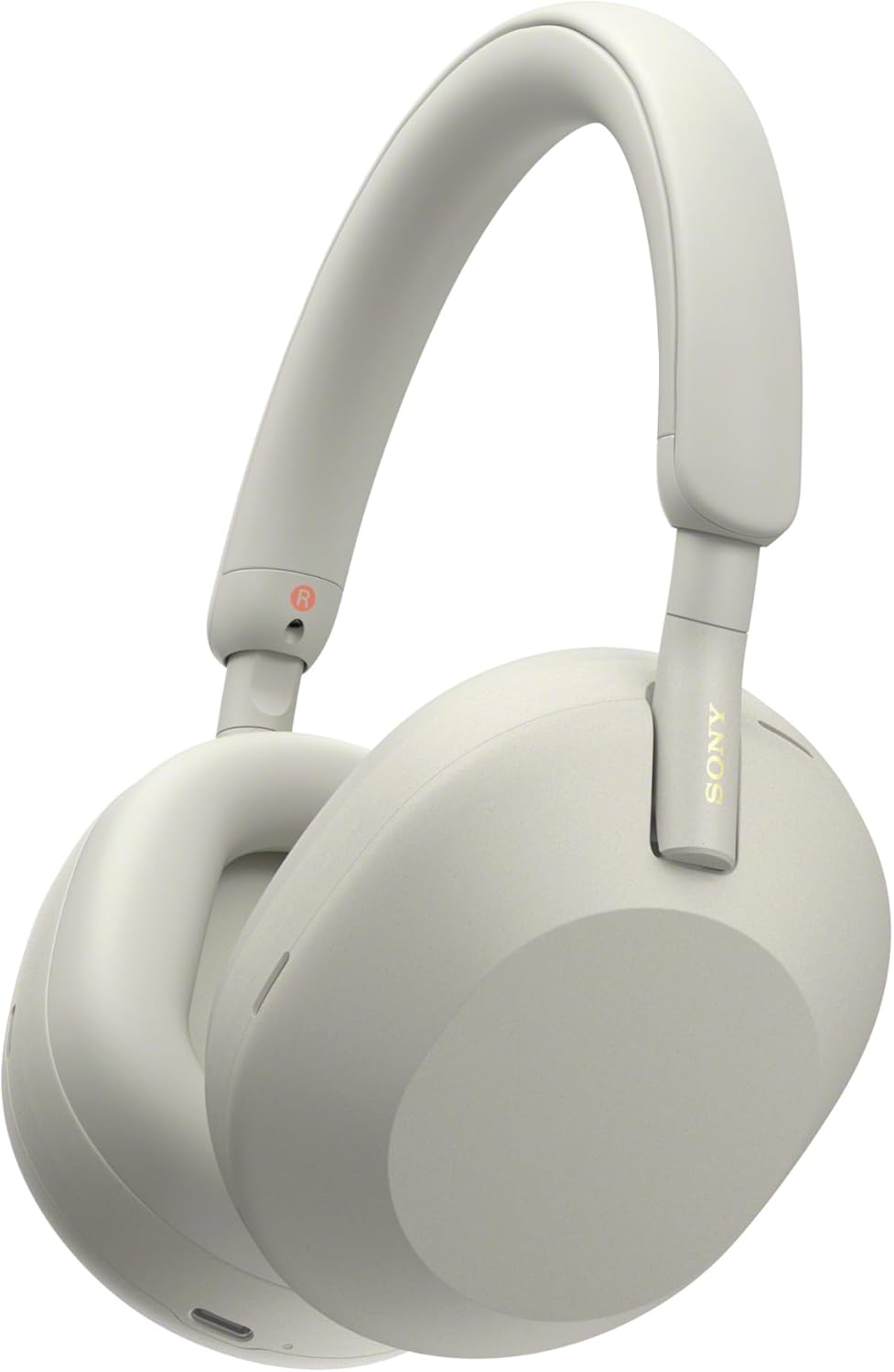
| Best overall | Sony WH‑1000XM5 | Industry‑leading ANC, clear calls, plush fit, and 30 h battery life. |
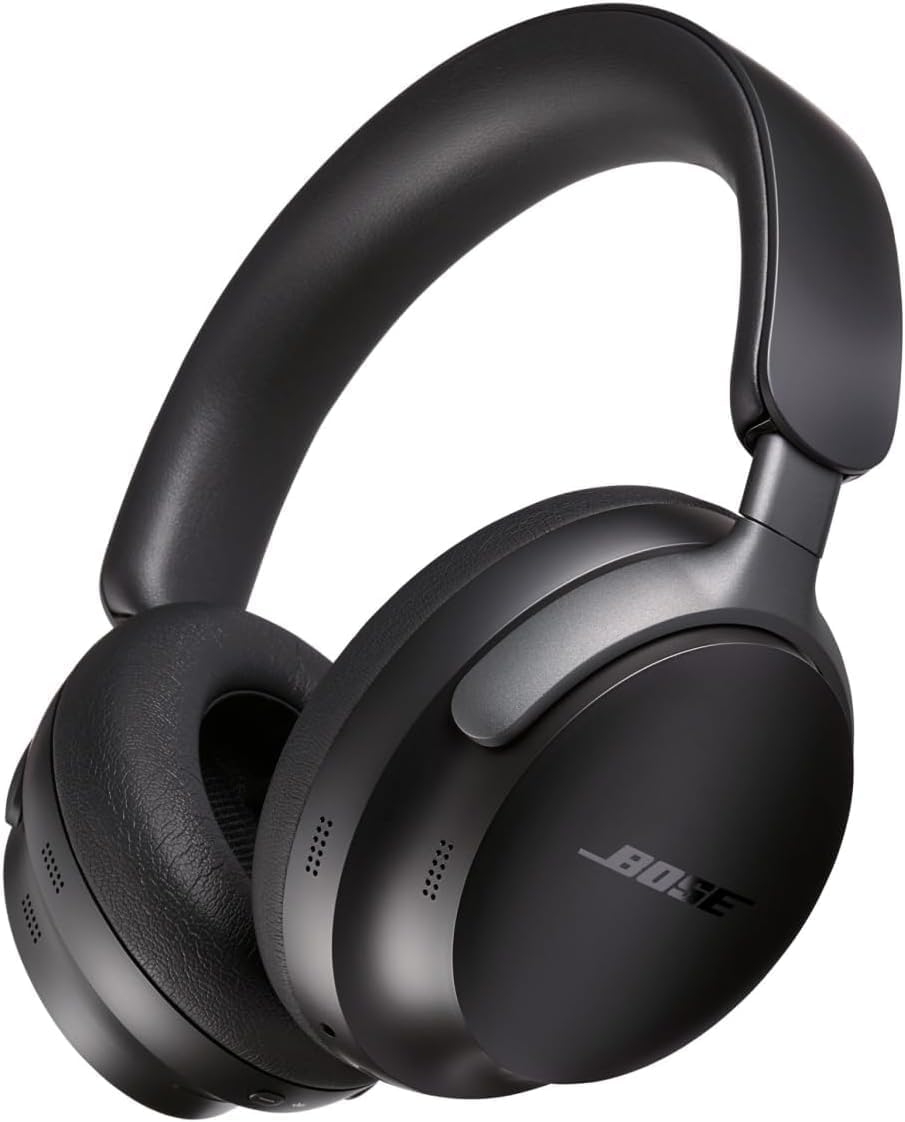
| Best comfort | Bose QuietComfort Ultra | Extra‑soft ear cups, lightweight frame, and balanced sound that stays gentle on the ears for marathon sessions. |
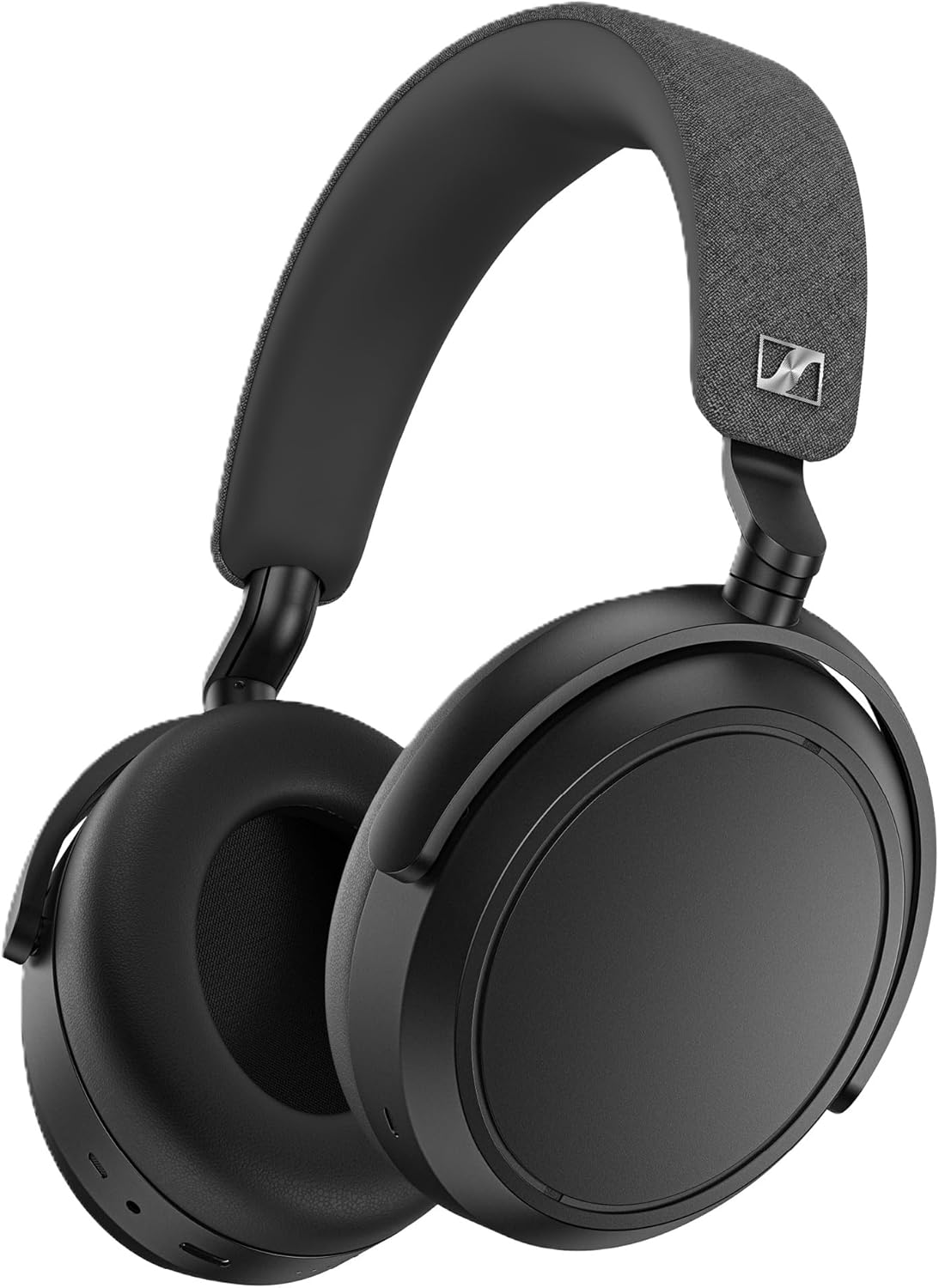
| Best battery | Sennheiser Momentum 4 | Record‑breaking 60 h of playback on a single charge while still delivering premium, natural sound. |
At a glance: feature comparison
| Product | Best for | Typical price* | Rating | One thing it does best | Main drawback | Weight (oz / g) | Battery life (hrs) | ANC type | Connectivity |
|---|---|---|---|---|---|---|---|---|---|
| Sony WH‑1000XM5 | Best overall | $350–$400 | 4.7/5 | Industry‑leading adaptive noise cancelation and call clarity | Slightly larger ear cups may feel bulky on small heads | 13.6 oz / 385 g | 30 (30 min fast charge = 5 h) | Hybrid (dual‑sensor) | Bluetooth 5.2, LDAC, AAC, SBC |
| Bose QuietComfort Ultra | Best comfort | $399–$449 | 4.6/5 | Plush, pressure‑relieving ear pads that stay comfortable for 8 h+ sessions | Premium price for the comfort edge | 12.4 oz / 352 g | 24 (15 min quick charge = 3 h) | Hybrid | Bluetooth 5.3, AAC, SBC |
| Sennheiser Momentum 4 | Best battery | $329–$399 | 4.6/5 | 60 h of playback with adaptive ANC still engaged | Touch controls can be finicky when wearing gloves | 12.9 oz / 365 g | 60 (30 min fast charge = 10 h) | Hybrid | Bluetooth 5.2, aptX HD, AAC |
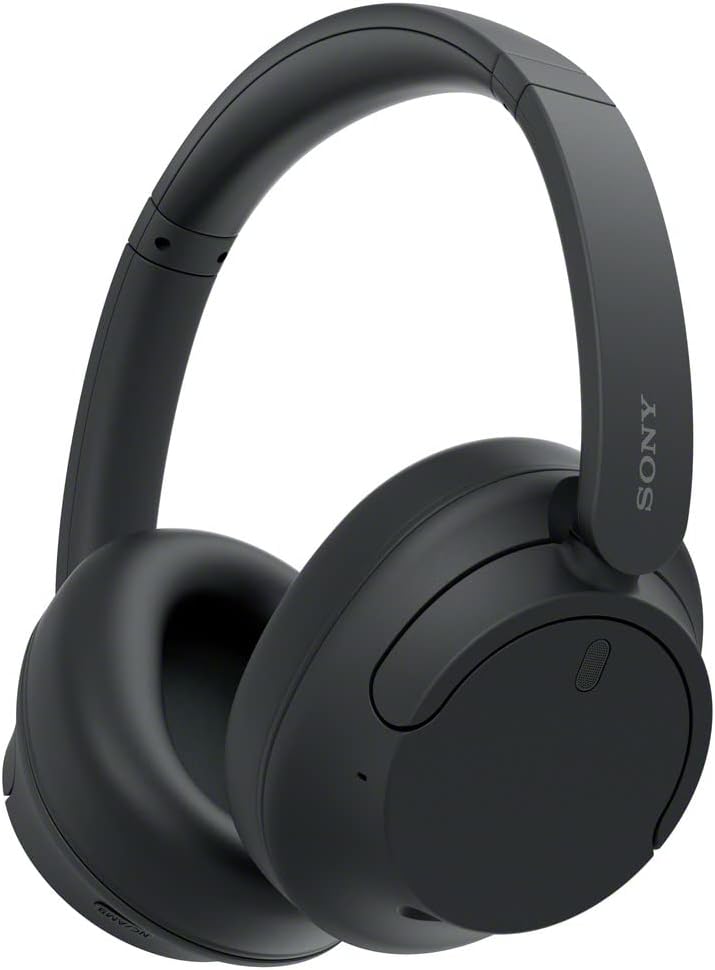
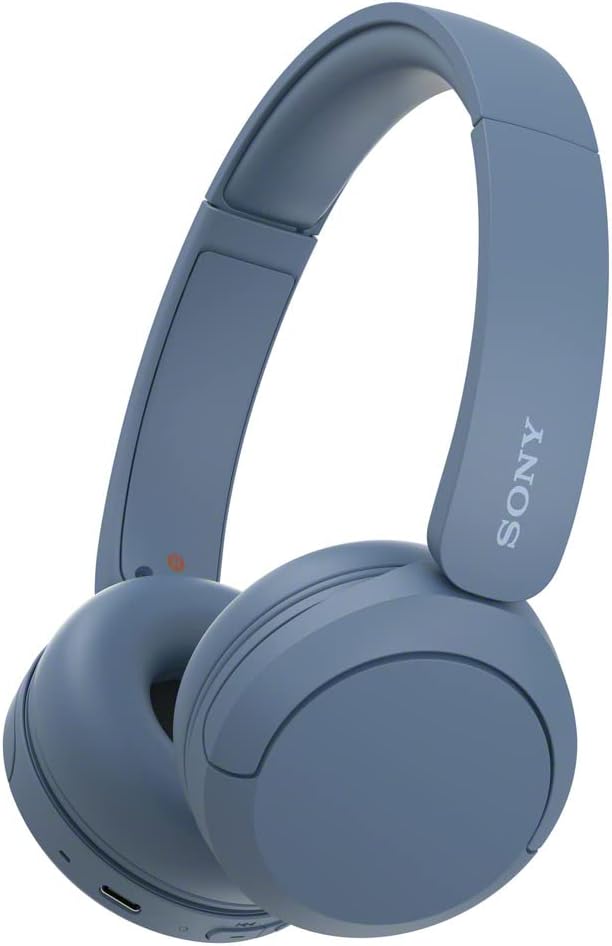
| Sony WH‑CH720N | Best value ANC | $120–$150 | 4.3/5 | Reliable ANC at a budget price, 30 h battery | No app for EQ tweaks | 9.2 oz / 260 g | 30 | Hybrid | Bluetooth 5.0, SBC |
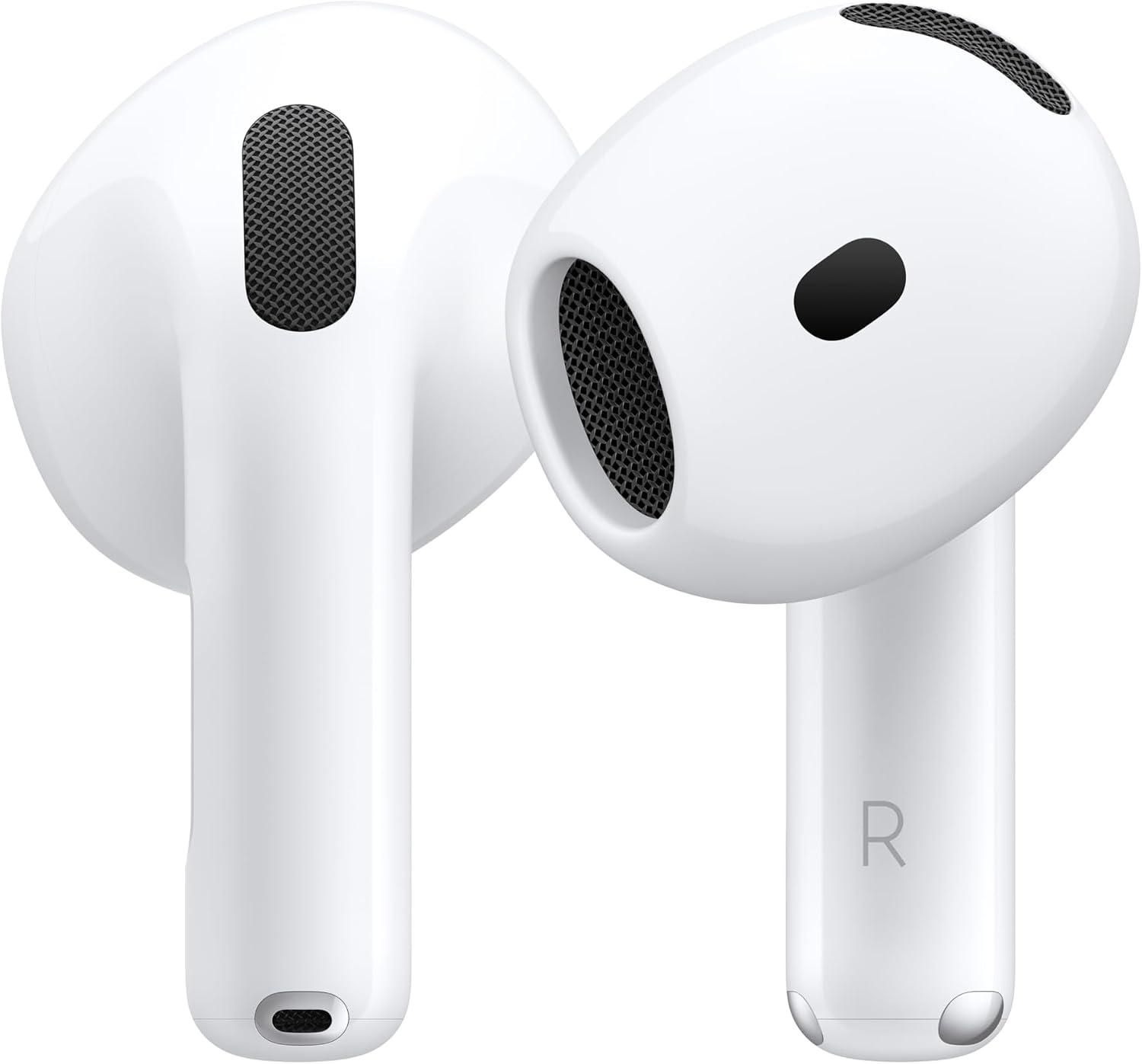
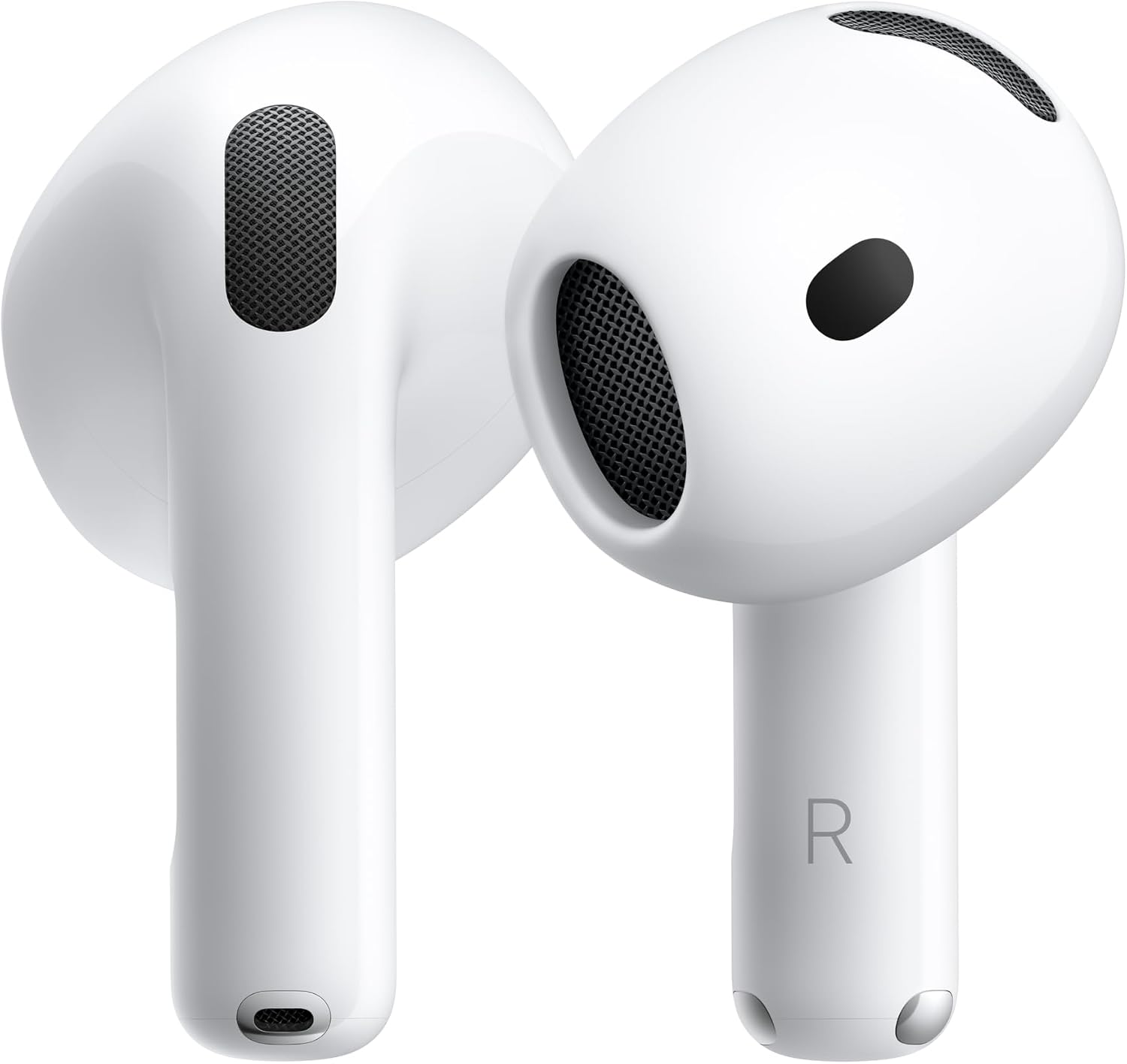
| Apple AirPods 4 (Wireless Earbuds) | Popular pick | $179–$229 | 4.6/5 | Seamless iOS pairing, personalized spatial audio, H2 chip | Limited ANC compared to over‑ear rivals | 0.16 oz each (0.5 g) | 6 (earbuds) + 24 (case) | Adaptive (earbud) | Bluetooth 5.3, AAC |
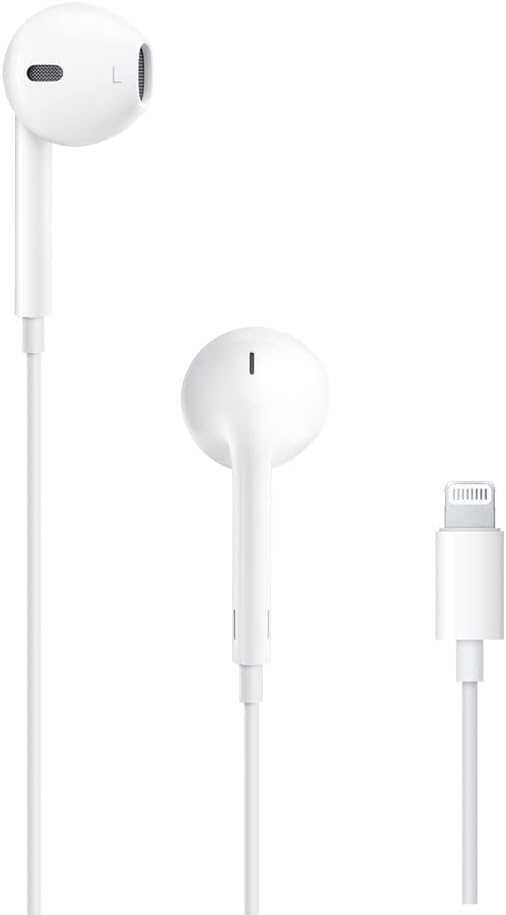
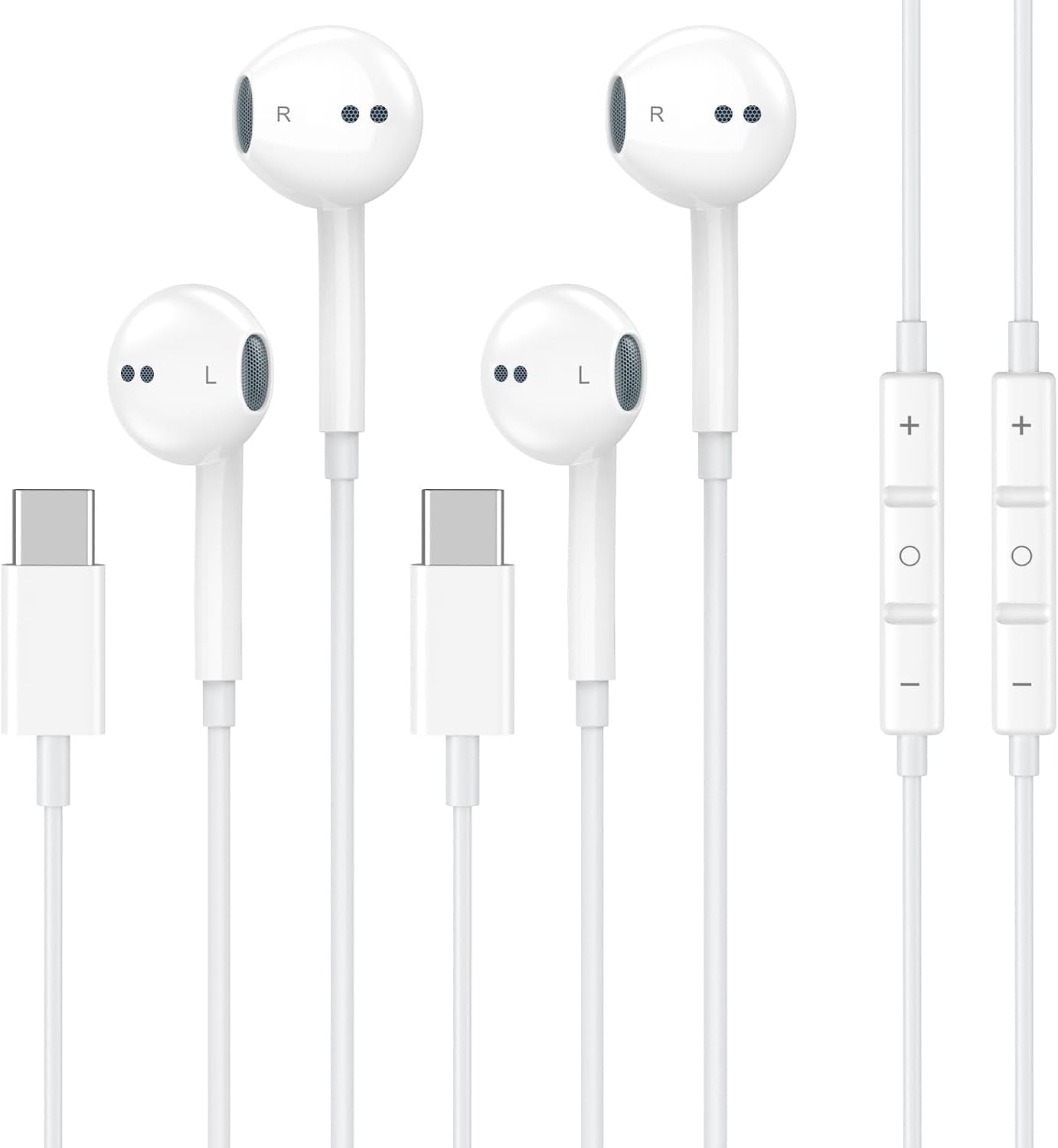
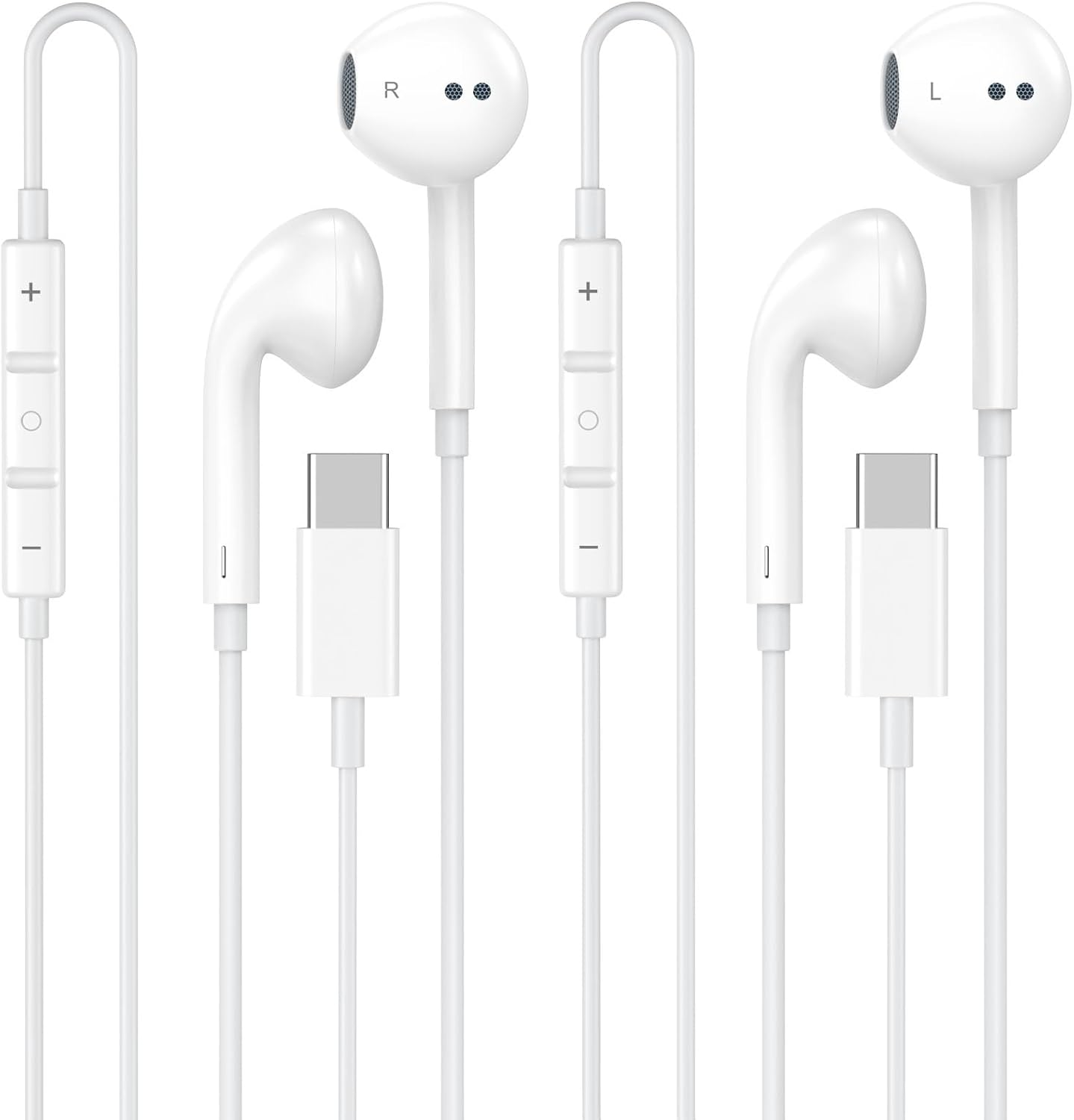
| Apple EarPods (Lightning) | Popular pick (wired) | $19–$29 | 4.3/5 | Direct Lightning connection, calibrated sound for iPhone | No wireless freedom, no ANC | 0.5 oz / 14 g | N/A (wired) | N/A | Lightning connector |
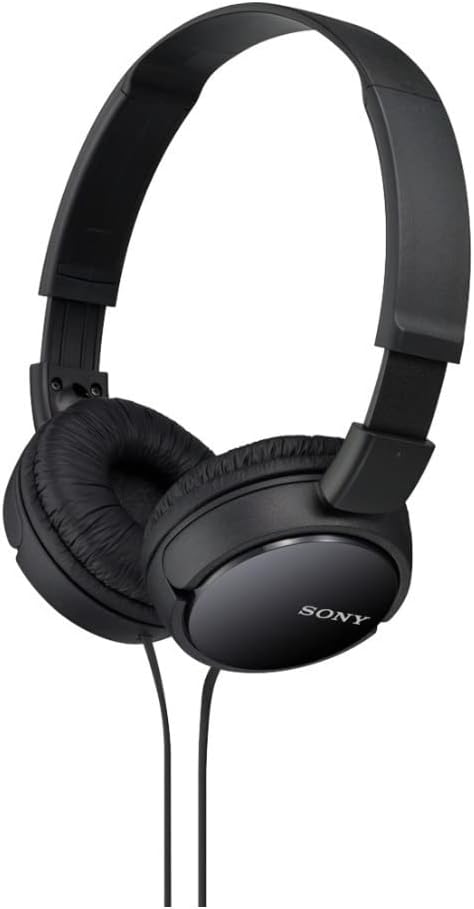
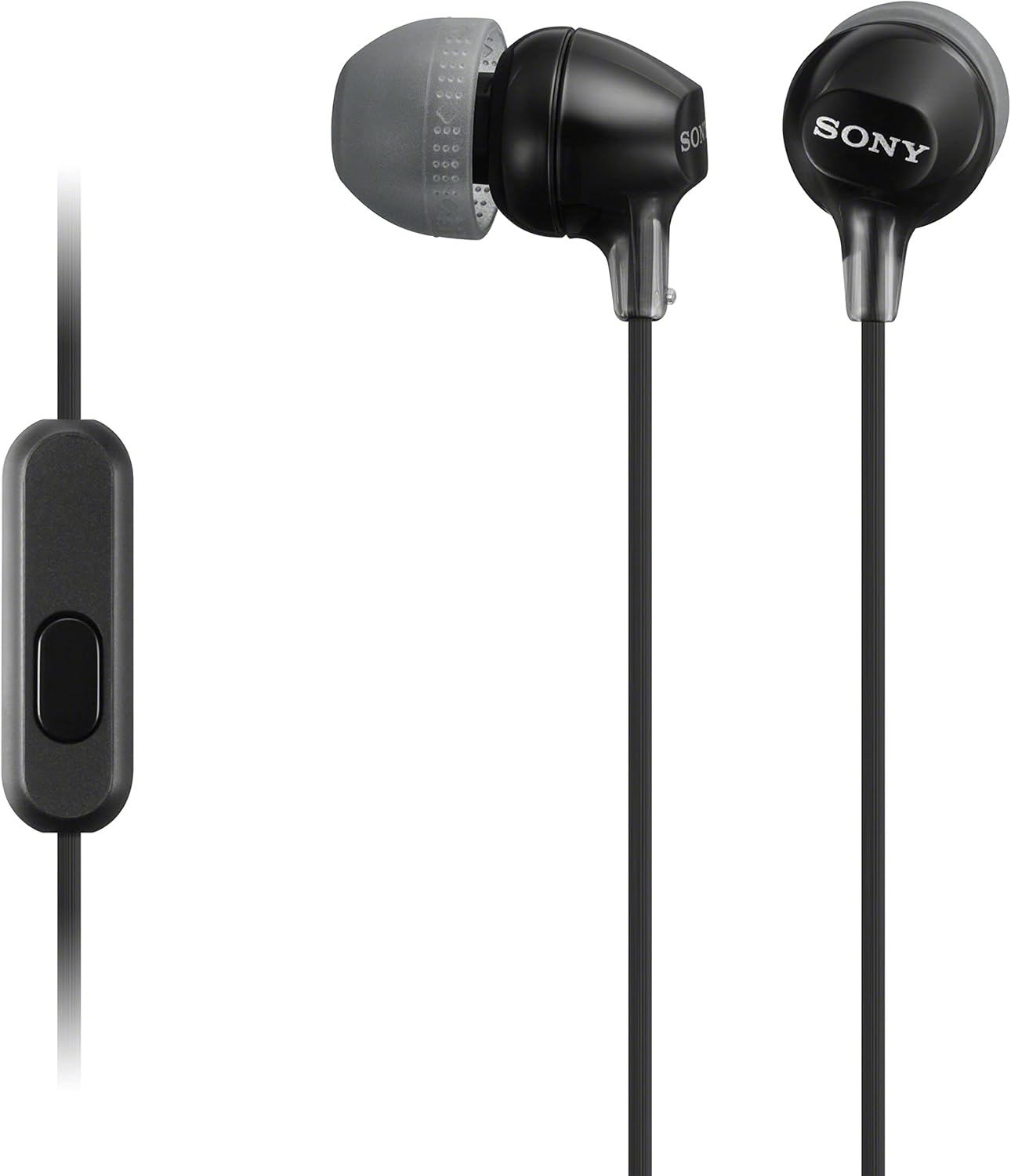
| Sony MDR‑ZX110 | Popular pick (wired) | $15–$25 | 4.3/5 | Clear audio, fold‑away design, very light | No ANC, basic build | 0.5 oz / 14 g | N/A | N/A | 3.5 mm jack |
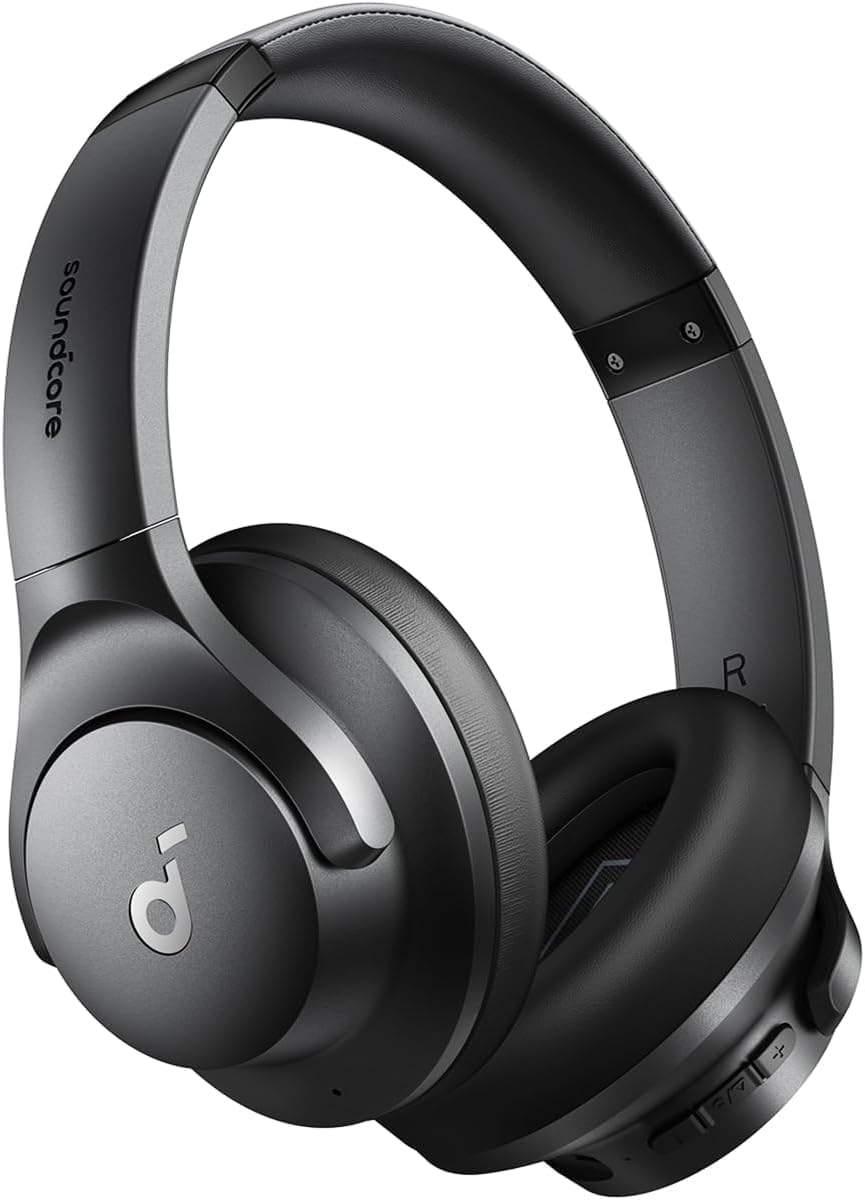
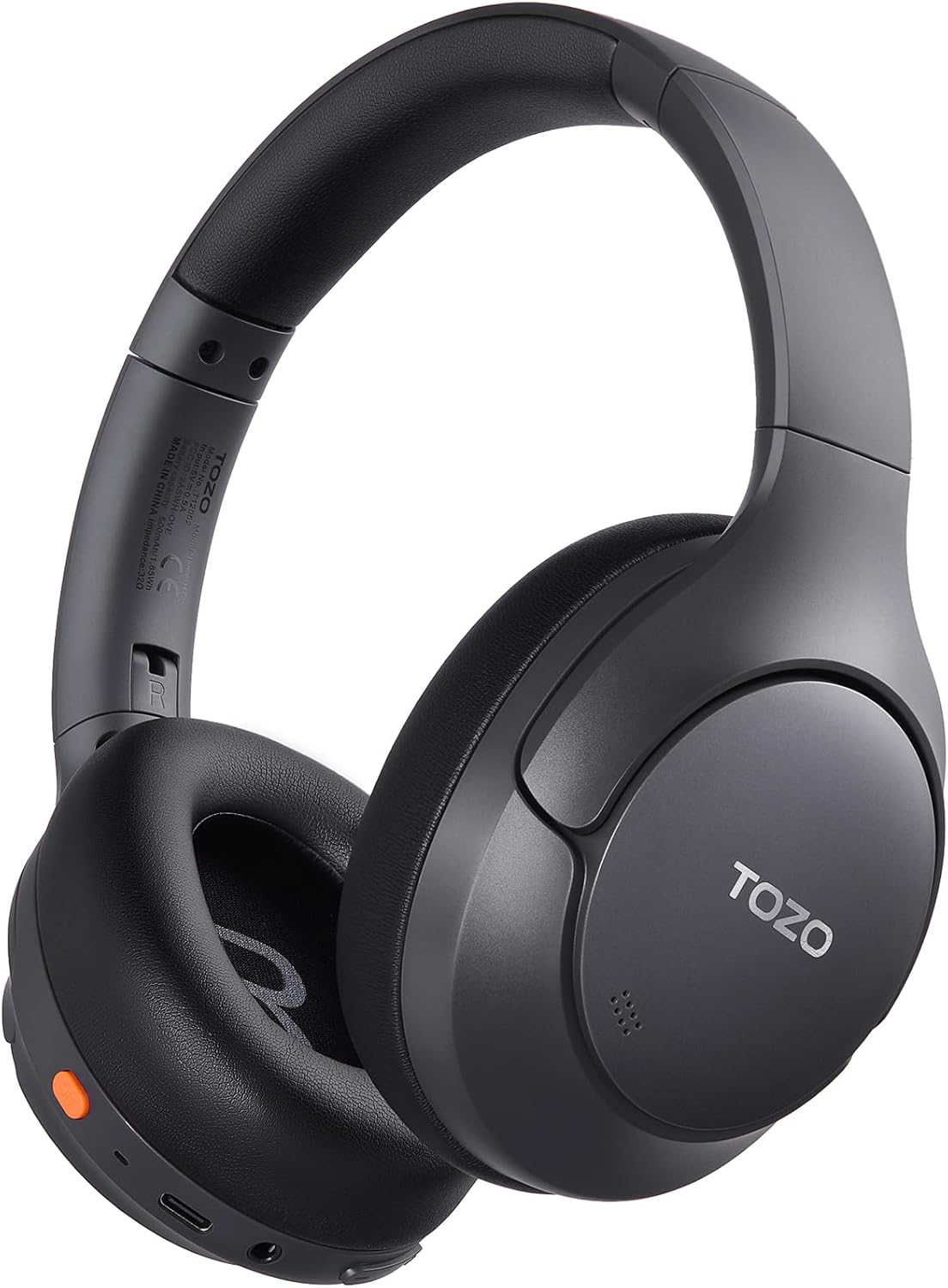
| Anker Soundcore Q20i | Popular pick (budget ANC) | $80–$120 | 4.3/5 | Hybrid ANC + 30 h battery at a sub‑$100 price | Bass can feel a bit recessed | 10.5 oz / 300 g | 30 | Hybrid | Bluetooth 5.0, SBC |
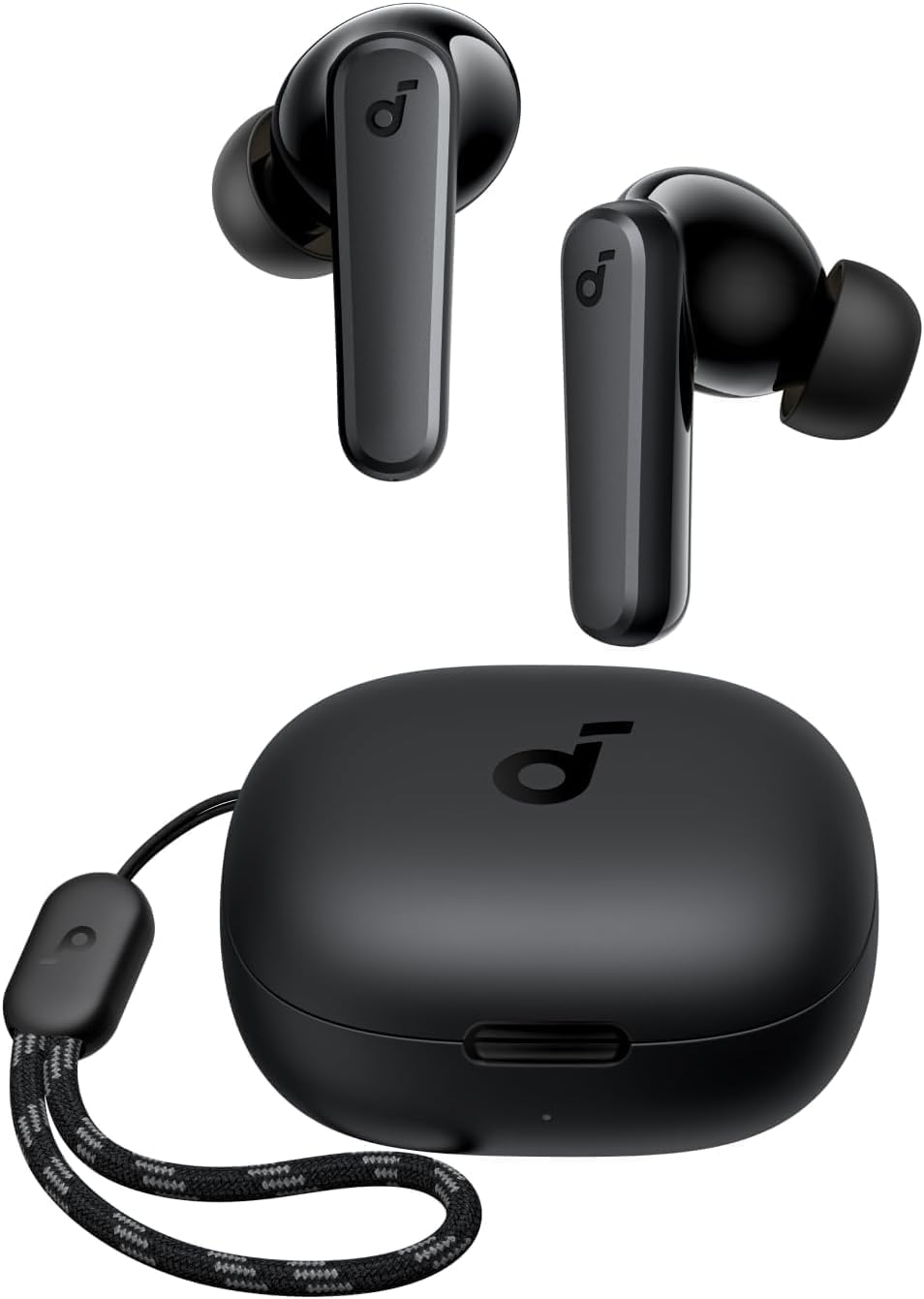
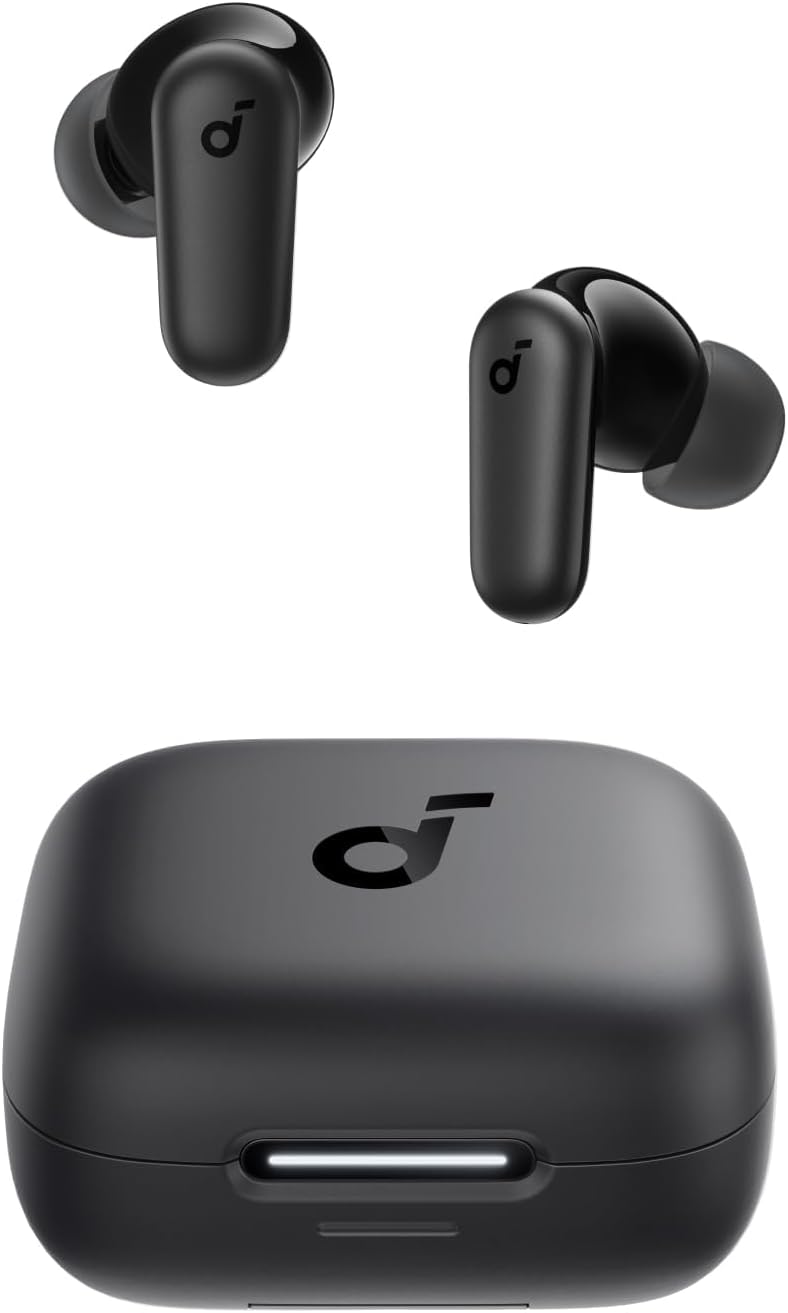
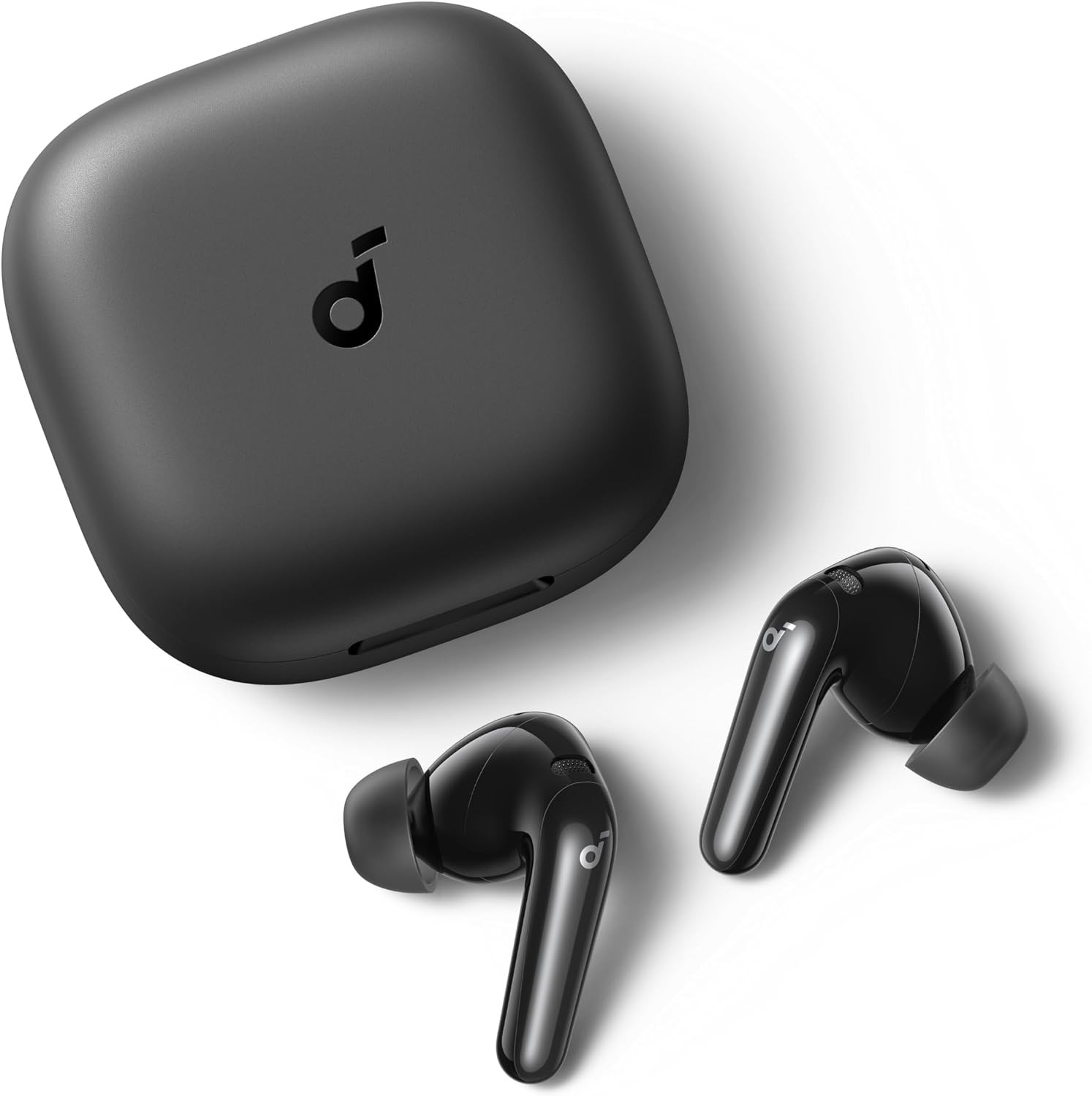
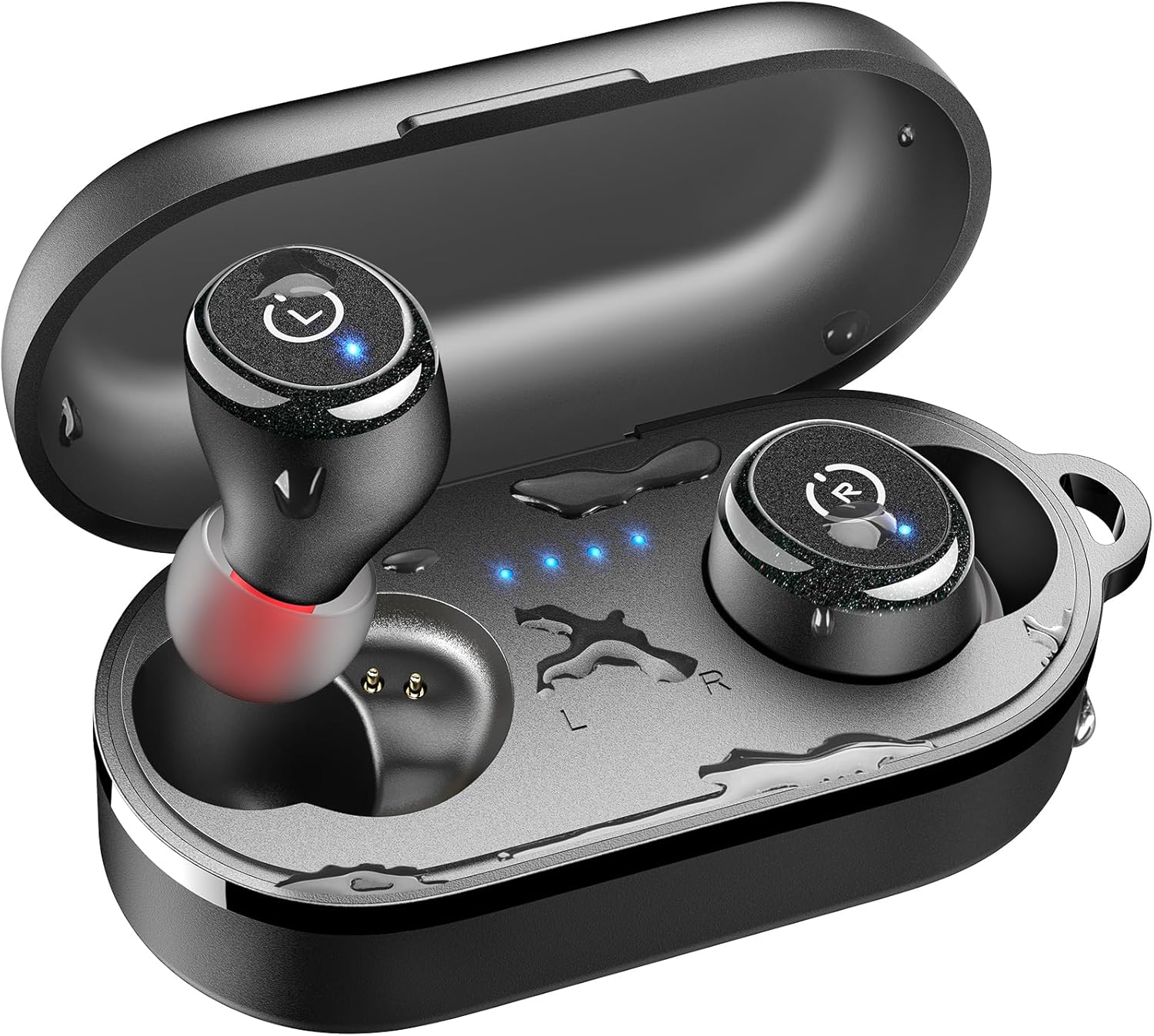
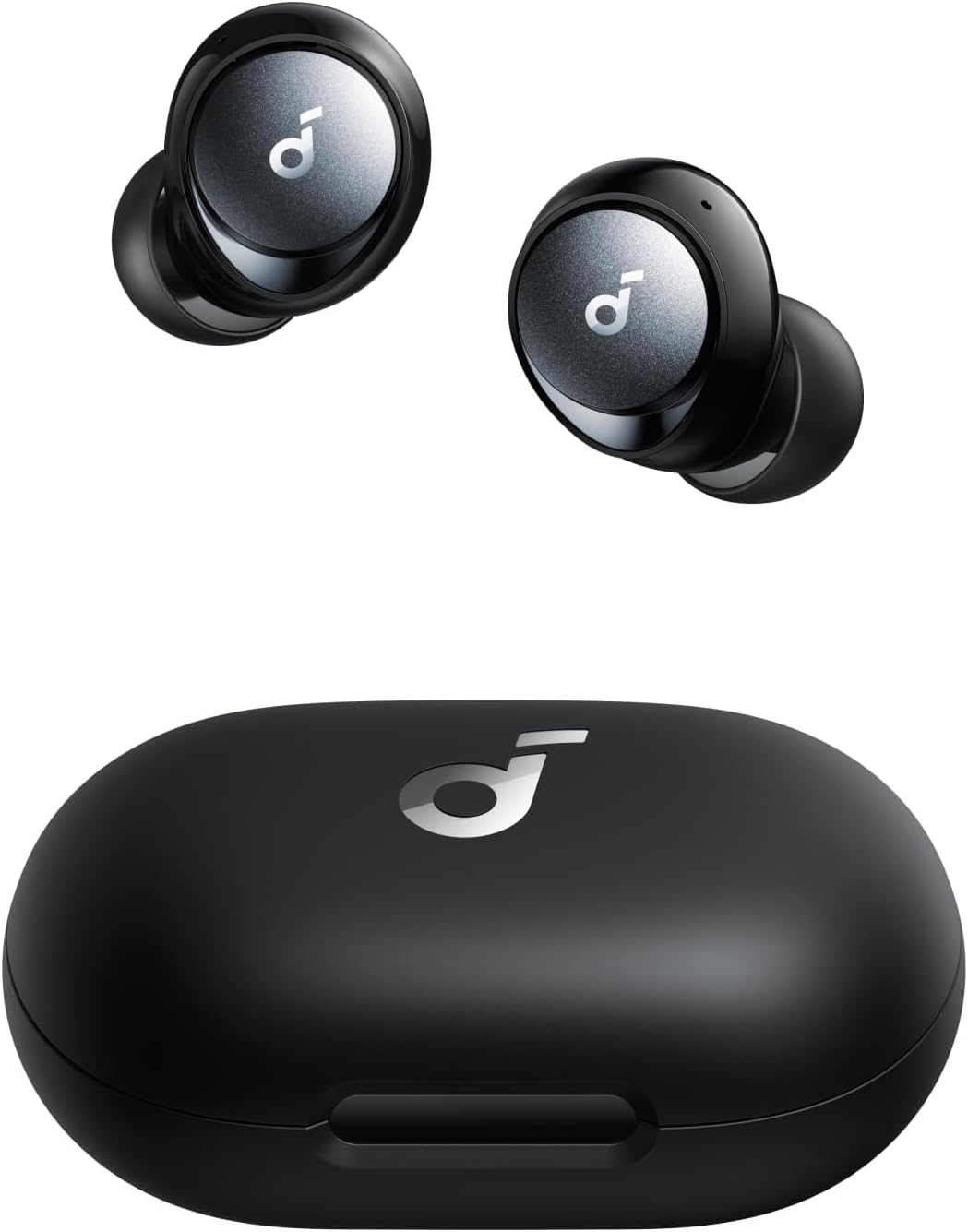
| Anker Soundcore P20i | Popular pick (budget earbuds) | $30–$45 | 4.3/5 | 30 h total playtime (earbuds + case) with punchy bass | No true ANC, fit may slip for vigorous activity | 0.18 oz each (5 g) | 5 (earbuds) + 25 (case) | None | Bluetooth 5.0, SBC |
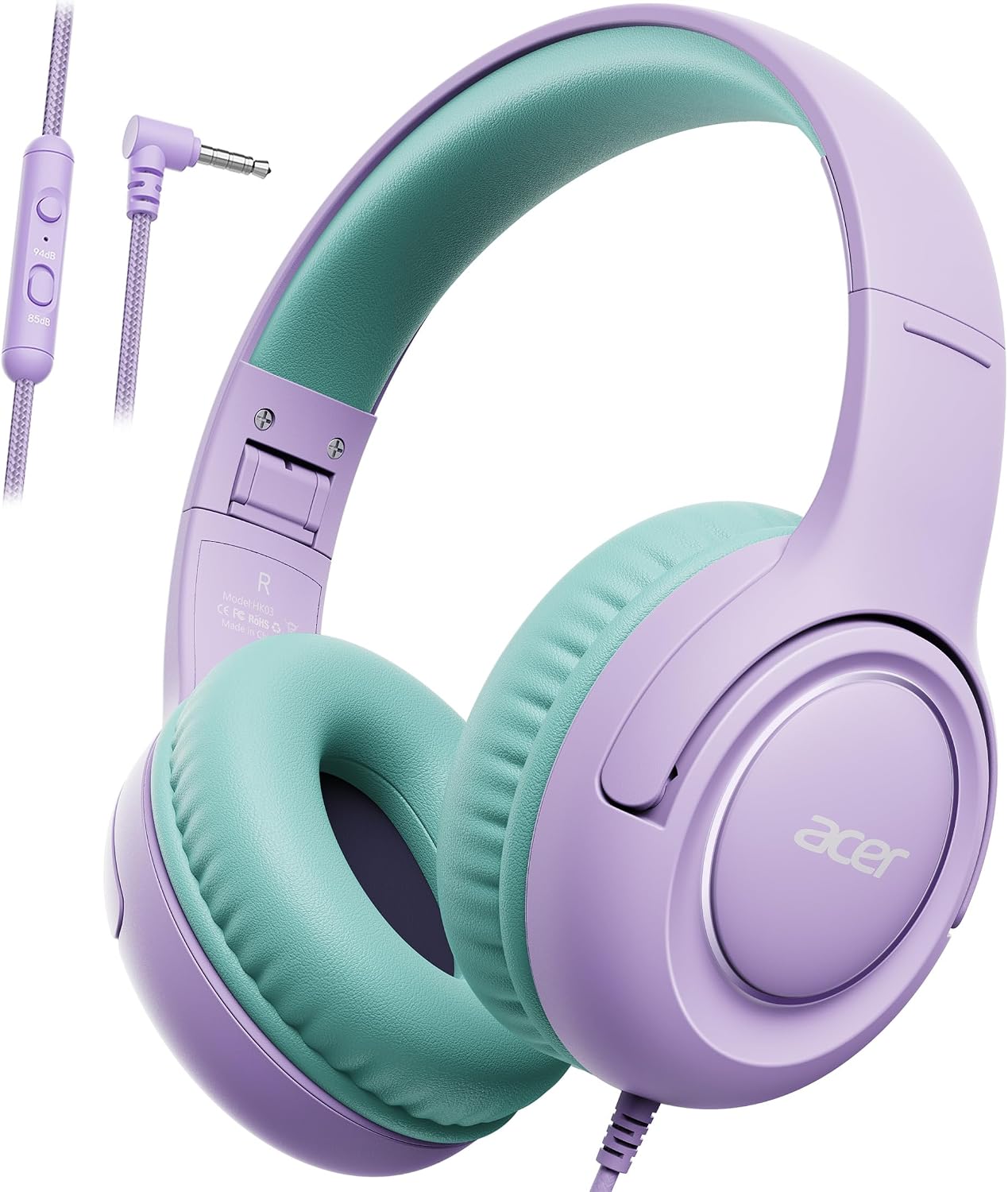
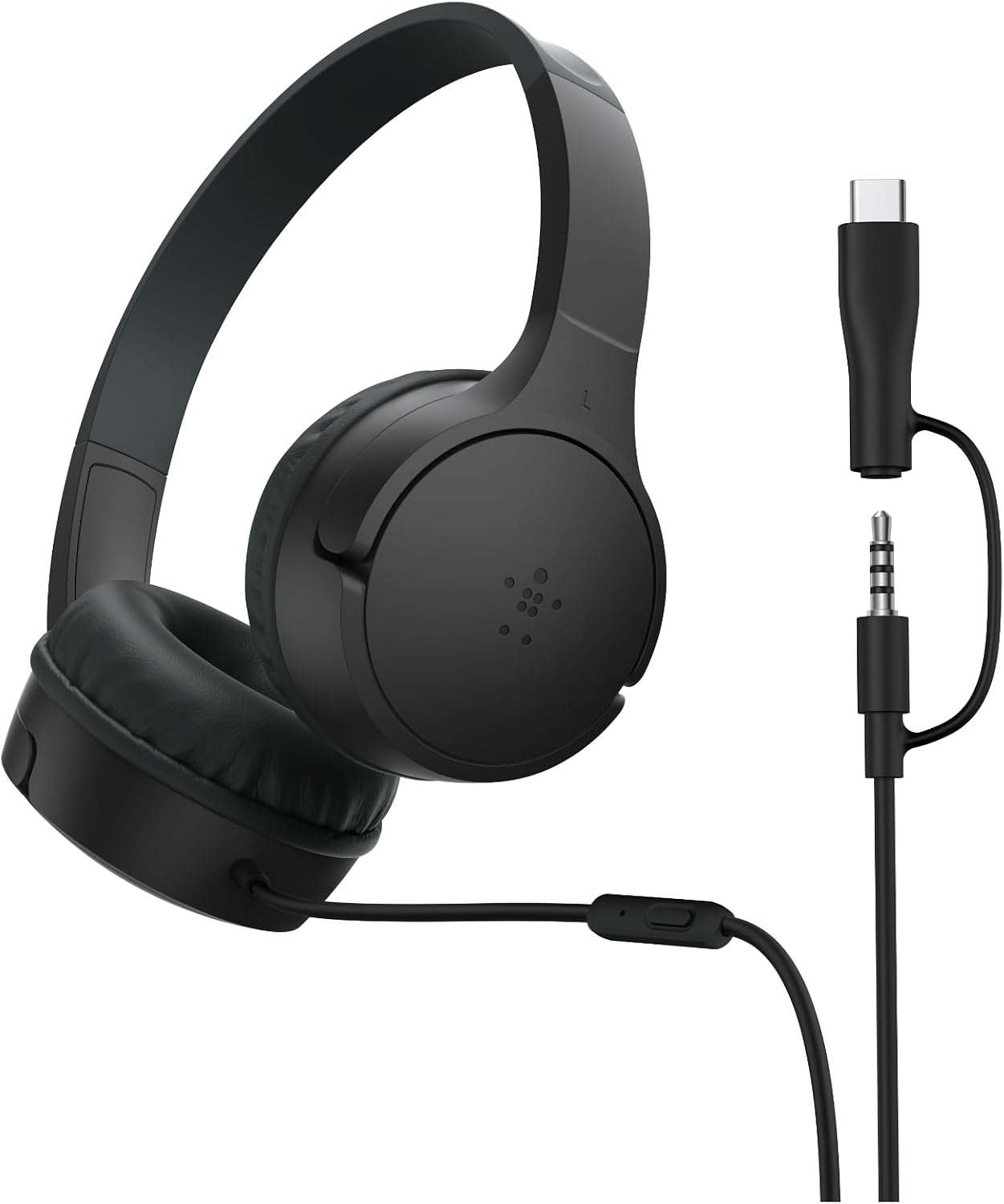
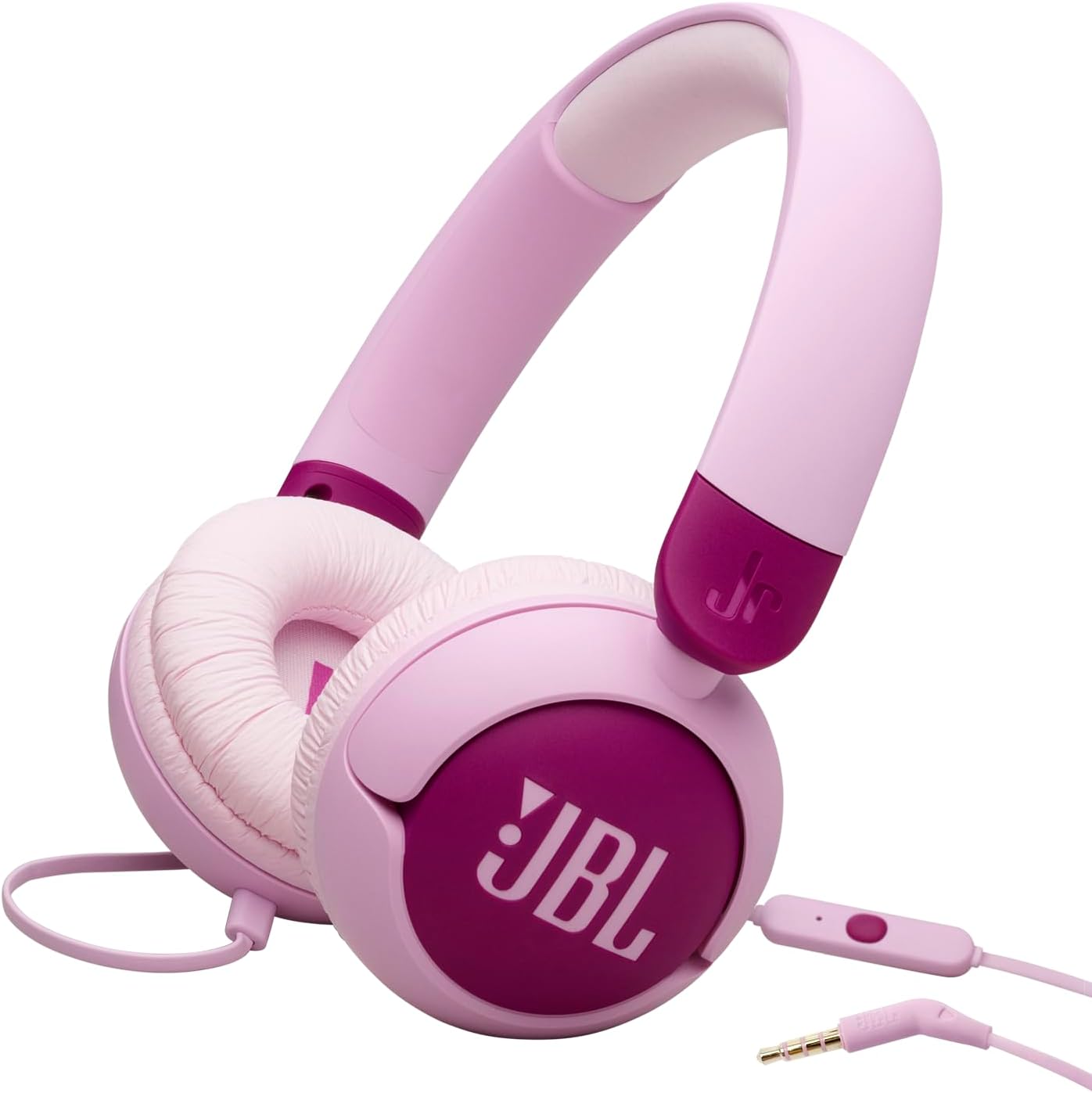
| Acer Kids Headphones | Popular pick (kids) | $20–$40 | 4.3/5 | 85‑94 dB limiter protects young ears, built‑in mic | Not designed for high‑fidelity music | 4.2 oz / 120 g | N/A (wired) | N/A | 3.5 mm jack |
\*Prices reflect typical retail ranges at the time of writing and may vary by retailer.
What to look for
Choosing wireless headphones isn’t just about “the biggest brand” or “the lowest price.” Below are the technical and ergonomic criteria that truly separate a good pair from a great one.
1. Sound quality
| Metric | Why it matters | Typical range |
|---|---|---|
| Frequency response | Determines how low the bass can go and how crisp the highs are. | 20 Hz – 20 kHz (most consumer headphones); some premium models push to 5 Hz or 40 kHz for extra detail. |
| Driver size | Larger drivers (mm) often move more air, giving stronger bass and a wider soundstage. | 30 mm–40 mm for over‑ear; 10 mm–13 mm for true wireless. |
| Impedance | Low‑impedance (< 32 Ω) works well with smartphones; high‑impedance (> 100 Ω) needs a dedicated amp for full power. | 16 Ω–64 Ω common in wireless. |
| Codec support | Determines how much data can be transmitted without loss. aptX HD, LDAC, AAC, and Samsung’s Scalable Codec each have trade‑offs. | LDAC (up to 990 kbps), aptX HD (576 kbps), AAC (256 kbps), SBC (320 kbps). |
When you listen to a wide‑dynamic‑range soundtrack (e.g., orchestral film scores), you’ll notice the difference between a 40 mm driver with a 96 dB SPL rating and a 10 mm driver limited to 85 dB SPL. If you primarily stream podcasts or use the headphones for calls, codec support and clarity may outweigh raw frequency range.
2. Noise cancellation (ANC)
| Feature | What to check | Typical performance |
|---|---|---|
| Type | Hybrid (feed‑forward + feed‑back) vs. passive only. Hybrid usually cancels 20‑30 dB across 200 Hz‑10 kHz. | Sony WH‑1000XM5: 38 dB average reduction; Bose Ultra: 35 dB; budget models (e.g., Soundcore Q20i) ~20‑25 dB. |
| Adjustability | Some models let you dial ANC level (e.g., 0‑100 %). | Useful on a train (high) vs. office (low). |
| Transparency mode | Allows ambient sound in without removing the headphones. | Look for low latency (≤ 150 ms) to avoid echo during conversations. |
| Battery impact | ANC draws power; full‑on ANC can cut battery life by 20‑30 %. | If you need 60 h playback, you may run ANC only part of the day. |
Hybrid ANC combines a microphone that samples external noise (feed‑forward) with an internal sensor that monitors what you hear (feed‑back). This dual approach is why premium over‑ear models can silence a jet engine while still letting you hear a distant announcement when you enable transparency.
3. Battery life & charging
| Spec | Why it matters | Real‑world examples |
|---|---|---|
| Playback time (ANC off) | Gives a baseline for daily commuting or travel. | 30 h (Sony WH‑CH720N), 60 h (Sennheiser Momentum 4). |
| Playback time (ANC on) | Most users keep ANC active; this number is more realistic. | 24 h (Bose Ultra), 30 h (Sony WH‑1000XM5). |
| Fast‑charge | How many minutes of playback you get from a quick charge. | 5 h from 10 min (Sony WH‑1000XM5), 3 h from 15 min (Bose Ultra). |
| Charging method | USB‑C vs. proprietary; USB‑C is universal and supports power‑bank use. | All recent premium models use USB‑C; older budget earbuds may still use micro‑USB. |
| Battery health | Lithium‑ion cells degrade ~20 % after 500 full cycles. | Expect ~4 years of full‑capacity life with daily use. |
If you travel internationally and rely on a single charge for a 12‑hour flight plus a day of city exploring, aim for at least 30 h with ANC on. For office workers who charge at their desk each night, 20 h is more than sufficient.
4. Fit & comfort
| Metric | What to consider | Typical values |
|---|---|---|
| Weight | Heavier headphones can cause fatigue; under 12 oz (≈ 340 g) is comfortable for most adults. | Sony WH‑1000XM5: 13.6 oz (just above the sweet spot). |
| Ear cup size | Larger cups distribute pressure better, but may not fit smaller heads. | 3.5‑in (≈ 9 cm) diameter is common for over‑ear. |
| Clamping force | Measured in Newtons (N); 2‑3 N is a good balance of secure fit and comfort. | Bose Ultra uses a low‑force hinge (≈ 2 N). |
| Material | Memory‑foam pads vs. leather‑like PU. Foam conforms to the ear shape; leather feels premium but can get sweaty. | Sony WH‑1000XM5 uses plush foam; Bose Ultra uses plush PU. |
| True wireless fit | Ear tip size (S/M/L) and optional wings or loops affect stability during workouts. | AirPods 4 come with three tip sizes and a short wing. |
For long‑haul flights, look for headphones with a weight under 12 oz and memory‑foam ear pads. If you have a smaller head (≤ 55 cm circumference), a model with adjustable headband and lower clamping force (like the Bose Ultra) will feel less pressurizing.
5. Connectivity & codecs
| Feature | Why it matters | Common implementations |
|---|---|---|
| Bluetooth version | Newer versions (5.2, 5.3) provide higher data rates, lower latency, and better multi‑device handling. | Sony WH‑1000XM5: 5.2; AirPods 4: 5.3. |
| Multipoint pairing | Lets you connect to two devices (e.g., phone + laptop) and switch seamlessly. | Sony WH‑1000XM5 and Bose Ultra support multipoint; many budget earbuds do not. |
| Supported codecs | Determines audio fidelity over Bluetooth. | LDPC (Sony), aptX HD (Sennheiser), AAC (Apple). |
| Latency | Important for gaming or video editing; < 100 ms is considered “low latency.” | AirPods 4 claim ~140 ms (acceptable for music, not for competitive gaming). |
| Range | Typical Bluetooth range is 30 ft (10 m); some premium models maintain stable connection up to 50 ft. | Not a major differentiator unless you move around large spaces. |
If you stream from a Windows PC that supports aptX HD, a headphone that includes that codec (like the Sennheiser Momentum 4) will give you a noticeable edge over AAC‑only devices.
6. Controls & extra features
| Feature | What to look for | Typical examples |
|---|---|---|
| Touch vs. physical buttons | Touch can be convenient but may mis‑trigger with gloves; physical buttons are tactile. | Sony WH‑1000XM5: touch‑pad; Bose Ultra: physical buttons. |
| Voice assistant integration | Built‑in mic + wake‑word (Siri, Google, Alexa). | AirPods 4: “Hey Siri” activation; Sony: “Hey Google.” |
| App support | Allows EQ tuning, ANC presets, and firmware updates. | Sony Headphones Connect, Bose Music, Sennheiser Smart Control. |
| Find‑my‑device | Bluetooth beacon that helps locate lost earbuds. | AirPods 4 have “Find My” integration. |
| Water‑resistance rating | IPX4 (sweat) vs. IPX7 (full immersion). | AirPods 4: IPX4; most over‑ear are not rated. |
If you work out frequently, an IPX4 rating plus physical buttons (so you can control music without wiping sweat) is a practical combination.
7. Build quality & durability
| Indicator | What to examine | Typical thresholds |
|---|---|---|
| Foldable hinges | Reduces storage footprint; should survive ~10,000 folds. | Sony WH‑1000XM5: sturdy metal hinge; budget models may use plastic. |
| Cable durability (if any) | For hybrid models with an audio cable (e.g., for wired use), look for a detachable, tangle‑free cable. | Not applicable to most fully wireless models. |
| Warranty length | Longer warranties (2‑3 years) suggest confidence in durability. | Premium brands often offer 2‑year limited warranties. |
| Repairability | Availability of replaceable ear pads or batteries. | Sennheiser Momentum 4 offers replaceable ear pads; many budget models do not. |
A solid hinge and replaceable ear pads can extend the life of an over‑ear set well beyond the typical 2‑year warranty, especially if you travel often and store them in a case.
8. Price & value
| Price tier | What you typically get | Example models |
|---|---|---|
| $< 100 | Basic sound, passive isolation, limited ANC (if any). | Anker Soundcore Q20i, Sony MDR‑ZX110. |
| $100‑$250 | Decent ANC, respectable sound, good battery life, but fewer premium materials. | Sony WH‑CH720N, Anker Soundcore P20i. |
| $250‑$400 | Top‑tier ANC, refined soundstage, premium build, multipoint, app EQ. | Sony WH‑1000XM5, Bose QuietComfort Ultra, Sennheiser Momentum 4. |
| $> 400 | Niche audiophile tuning, ultra‑light frames, exotic materials (e.g., titanium), sometimes no ANC (focus on pure sound). | Not covered in this guide. |
When budgeting, consider the “total cost of ownership”: a $150 pair that needs to be replaced in two years may cost more long‑term than a $350 pair that lasts five.
Product deep‑dives
Below each model is broken down into four quick bullets: who it suits, its standout strength, an honest drawback, and who should consider skipping it.
Sony WH‑1000XM5 – Best overall
- Who it suits: Frequent travelers, remote workers, and audiophiles who want a balanced sound with industry‑leading noise cancelation.
- One thing it does better: Adaptive ANC that automatically adjusts to your environment, delivering up to 38 dB of reduction while preserving a natural soundstage.
- Drawback: The ear cups are slightly larger and heavier than some competitors, which can feel bulky on smaller heads or after long wear.
- Skip if: You prioritize ultra‑light comfort over raw ANC performance, or you need a truly compact design for a backpack‑only travel kit.
Bose QuietComfort Ultra – Best comfort
- Who it suits: Users who wear headphones for 8 + hours a day—think writers, coders, and long‑haul passengers—who value a plush, pressure‑free fit.
- One thing it does better: The memory‑foam ear pads and low‑clamp hinge keep pressure evenly distributed, making them feel “weightless” even after several hours.
- Drawback: The price sits near $450, which is a steep premium for comfort alone; sound signature leans toward a slightly warm, bass‑light profile.
- Skip if: You’re on a tighter budget or you prefer a more neutral, bass‑forward sound signature for EDM or hip‑hop listening.
Sennheiser Momentum 4 – Best battery
- Who it suits: Power‑hungry commuters, digital nomads, and anyone who wants to forget charging for a week or more.
- One thing it does better: A staggering 60 hours of playback with ANC engaged—far beyond the typical 30‑hour ceiling—while still delivering Sennheiser’s signature natural timbre.
- Drawback: The touch‑sensitive controls can be finicky when wearing gloves or when you have sweaty hands, leading to accidental pauses.
- Skip if: You need a headset that works flawlessly in cold weather or with gloves, or you prefer physical buttons for precise control.
Sony WH‑CH720N – Best value ANC
- Who it suits: Budget‑conscious shoppers who still want a respectable ANC experience for daily commutes or office use.
- One thing it does better: Delivers hybrid ANC and a 30‑hour battery at a price under $150, outperforming many higher‑priced rivals in raw value.
- Drawback: Lacks a companion app, so you can’t fine‑tune EQ or customize ANC levels beyond the basic on‑device toggle.
- Skip if: You want deep customization, premium build materials, or the absolute best ANC performance regardless of cost.
Apple AirPods 4 Wireless Earbuds – Popular pick
- Who it suits: iPhone and iPad owners who want instant pairing, spatial audio, and a truly “set‑and‑forget” experience.
- One thing it does better: The H2 chip enables personalized spatial audio that adapts to the shape of your ear, creating an immersive surround feel for Apple‑exclusive content.
- Drawback: ANC is modest (≈ 20 dB reduction) compared to over‑ear models, and battery life tops out at about 6 hours per charge—short for long trips.
- Skip if: You need long‑duration listening, high‑grade ANC, or you primarily use Android devices.
Apple EarPods with Lightning Connector – Popular pick (wired)
- Who it suits: iPhone users who still prefer a wired solution, need a reliable microphone for calls, or want a low‑cost backup for travel.
- One thing it does better: Direct Lightning connection eliminates the need for an adapter, delivering calibrated sound that matches Apple’s audio profile.
- Drawback: No wireless freedom, no ANC, and the design is fixed‑fit, which can become uncomfortable after extended use.
- Skip if: You’re looking for true wireless convenience, active noise cancelation, or a more secure, over‑ear seal for noisy environments.
(Optional) Other popular picks
If you’re interested in budget‑friendly wired or hybrid options, the Sony MDR‑ZX110, Anker Soundcore Q20i, Anker Soundcore P20i, and Acer Kids Headphones each serve niche needs—from basic on‑the‑go listening to child‑safe volume limiting. Their specs are summarized in the comparison table above.
Common mistakes
1. Chasing the highest dB reduction – A headline number like “40 dB ANC” sounds impressive, but the real‑world experience depends on frequency distribution. Some models cancel low frequencies well but let mid‑range chatter through. Test the headphones in a real environment (café, train) before buying. 2. Ignoring fit for your head size – Over‑ear headphones often list a “one‑size‑fits‑all” claim, yet a 20 cm head circumference will feel a tight squeeze on a 22 cm frame. Check adjustable headband range and try them on if possible. 3. Overlooking codec compatibility – Streaming high‑resolution audio over SBC will bottleneck sound quality, even on premium headphones. Pair your device’s supported codec (e.g., aptX HD on Android) with a compatible headset. 4. Assuming battery life is the same with ANC off – Many spec sheets quote “30 h playback,” but that number usually assumes ANC is disabled. Always verify the “ANC‑on” figure for realistic daily use. 5. Neglecting the charging ecosystem – If you travel with a USB‑C power bank, make sure your headphones use USB‑C; otherwise you’ll need a separate charger. 6. Skipping the app – Premium brands often hide critical EQ tweaks, firmware updates, and ANC presets behind a free app. Not installing it can leave you with a sub‑optimal experience.
How to match it to your budget
| Budget | Recommended priority | Suggested models |
|---|---|---|
| Under $100 | Basic sound, passive isolation, durability. | Anker Soundcore Q20i (if you need ANC), Sony MDR‑ZX110 (if you just need wired clarity). |
| $100‑$250 | Good ANC, decent sound, reliable battery. | Sony WH‑CH720N (value ANC), Anker Soundcore P20i (budget earbuds), Bose QuietComfort Ultra (if you can stretch for comfort). |
| $250‑$400 | Premium ANC, refined soundstage, comfortable fit, app support. | Sony WH‑1000XM5, Sennheiser Momentum 4, Bose QuietComfort Ultra. |
| $400+ | Niche audiophile tuning, ultra‑light frames, exotic materials. | Not covered here, but look for brands like Bowers & Wilkins, Focal, or high‑end Sennheiser models. |
When you decide on a budget, ask yourself three questions:
1. Do I need ANC every day? If yes, allocate more of your budget to a model with proven hybrid cancelation. 2. Will I be on calls often? Prioritize models with multiple microphones and proven call clarity (Sony WH‑1000XM5, Bose Ultra). 3. How long will I be away from a charger? If you’re a frequent traveler, the 60‑hour battery of the Momentum 4 may justify a higher spend.
Who should skip this
Wireless headphones are not a universal solution. You might want to pass on them if:
- You have severe hearing loss – While headphones can amplify sound, they are not a substitute for hearing aids. Consult an audiologist for a device tailored to medical needs.
- You work in a safety‑critical environment (e.g., construction sites, factories) where situational awareness is required. In such cases, open‑back or “awareness” modes may not be sufficient, and you may need a hard‑hat‑compatible communication system.
- You need ultra‑low latency for competitive gaming – Most consumer wireless headphones have latency > 100 ms, which can be a disadvantage in fast‑paced shooters. Look for “gaming‑grade” Bluetooth (e.g., 2.4 GHz dongles) or wired solutions.
- You have a very small head or child – Most adult over‑ear designs will be uncomfortable; consider kid‑specific models like the Acer Kids Headphones with volume limiting.
- You’re on a strict $50 budget – While the Soundcore P20i and Anker Q20i approach that price, they still stretch the definition of “wireless headphones” for many users. A wired solution may give you better sound for the money.
FAQ
Q1: I work in a noisy open‑plan office. Which feature should I prioritize? A: Look for strong hybrid ANC (≥ 30 dB reduction) and a comfortable fit that you can wear for 6‑8 hours. Multipoint Bluetooth is also handy so you can switch between your laptop and phone without re‑pairing. The Sony WH‑1000XM5 and Bose QuietComfort Ultra are both solid choices for this scenario.
Q2: My commute is 45 minutes each way, and I often forget to charge my headphones. What battery life do I need? A: Aim for at least 30 hours of playback with ANC on, which gives you a full week of commuting without a recharge. The Sennheiser Momentum 4’s 60 hour claim is overkill but future‑proofs you; the Sony WH‑CH720N hits the 30‑hour sweet spot at a lower price.
Q3: I have an Android phone that supports aptX HD. Does that matter? A: Yes. aptX HD can deliver up to 576 kbps, preserving more detail than SBC or AAC. Choose a headset that lists aptX HD (e.g., Sennheiser Momentum 4) to take full advantage of your phone’s codec support.
Q4: I’m a runner and sweat a lot. Do any wireless headphones have water resistance? A: Look for an IPX4 rating (splash‑proof) or higher. While most over‑ear models aren’t rated, true‑wireless earbuds like Apple AirPods 4 have IPX4, making them suitable for light jogging. If you need higher protection, consider sport‑focused earbuds with IPX7.
Q5: I share a small apartment with a roommate who sleeps early. Can I still use ANC without disturbing them? A: Yes. ANC works by generating anti‑phase sound internally; it doesn’t emit sound outward. However, be aware of any “leakage” from the driver—over‑ear headphones with a tight seal (like the Bose Ultra) minimize sound escaping, keeping the room quiet.
Q6: My hearing is sensitive to high frequencies; will ANC make things worse? A: ANC can sometimes introduce a faint “hissing” sound in the high‑frequency range, especially on budget models. Premium headphones (Sony WH‑1000XM5, Bose Ultra) use advanced feed‑back algorithms that keep this artifact below the audible threshold for most listeners. If you’re particularly sensitive, test the headphones in a store and ask for a demo with ANC turned on.
The bottom line
Wireless headphones come down to three core trade‑offs: noise cancelation vs. battery life vs. comfort. If you need the best all‑round package, the Sony WH‑1000XM5 hits the sweet spot. For marathon‑long comfort, the Bose QuietComfort Ultra is unmatched, while the Sennheiser Momentum 4 wins if you can’t stand recharging every few days. By focusing on the specs that matter to your daily routine—ANC performance, battery endurance, fit, and codec compatibility—you can cut through the marketing fluff and pick a pair that truly enhances your listening life. Happy listening!
Browse every wireless headphones on Amazon
Our picks are the ones we would buy — but if none of them fit your desk or budget, here is the full range with live prices and customer reviews.
🔎 See all wireless headphones on Amazon →Common questions
Does noise cancelling cause headaches?
Some people feel a pressure sensation from strong ANC, especially in quiet rooms where there is little noise to cancel. Most headphones now have an ANC-off or low mode — try that before concluding the headphones do not suit you.
Are they good enough for work calls?
Playback quality and microphone quality are separate things. Headphones built for music often have mediocre mics that sound thin to the person on the other end. If you take calls daily, check the mic specifically, or use a headset built for it.
How long should the battery really last?
Rated hours are measured at moderate volume with ANC off. Expect roughly a third less in real use with ANC on. Anything rated 30 hours or more will comfortably survive a working week of commutes and calls.
What are the best wireless headphones right now?
Our top pick is the Sony WH-1000XM5. The WH-1000XM5 delivers industry‑leading noise cancelation and superior call clarity, plus a plush fit and long battery life that outshines competitors.
How much should I spend on wireless headphones?
Across the 40 models we compare here, typical street prices run from $7–$11 at the low end up to $350–$400. Most people are best served in the middle bracket — the cheapest option usually gives up build quality, the most expensive buys refinement you only notice with daily use.
Are budget wireless headphones worth buying?
For light or occasional use, yes — the Sony WH-CH720N covers the basics. If you use it every working day, stepping up one bracket is usually the cheaper decision over a couple of years.