SmartPicks
How to Choose a Monitor for Work and Home

Disclosure: this page contains affiliate links. If you buy through them, we may earn a commission at no extra cost to you. We only recommend products we would use ourselves.
Choosing the right monitor is a surprisingly nuanced decision. Whether you’re setting up a home office, a shared family room, or a dedicated gaming nook, the screen you pick will shape your productivity, eye comfort, and even the way you unwind after a long day. In this guide I’ll walk you through the most important specs, trade‑offs, and real‑world scenarios so you can answer the question how to choose a monitor for work and home with confidence.
Quick picks
| Need | Model | Why it stands out |
|---|---|---|
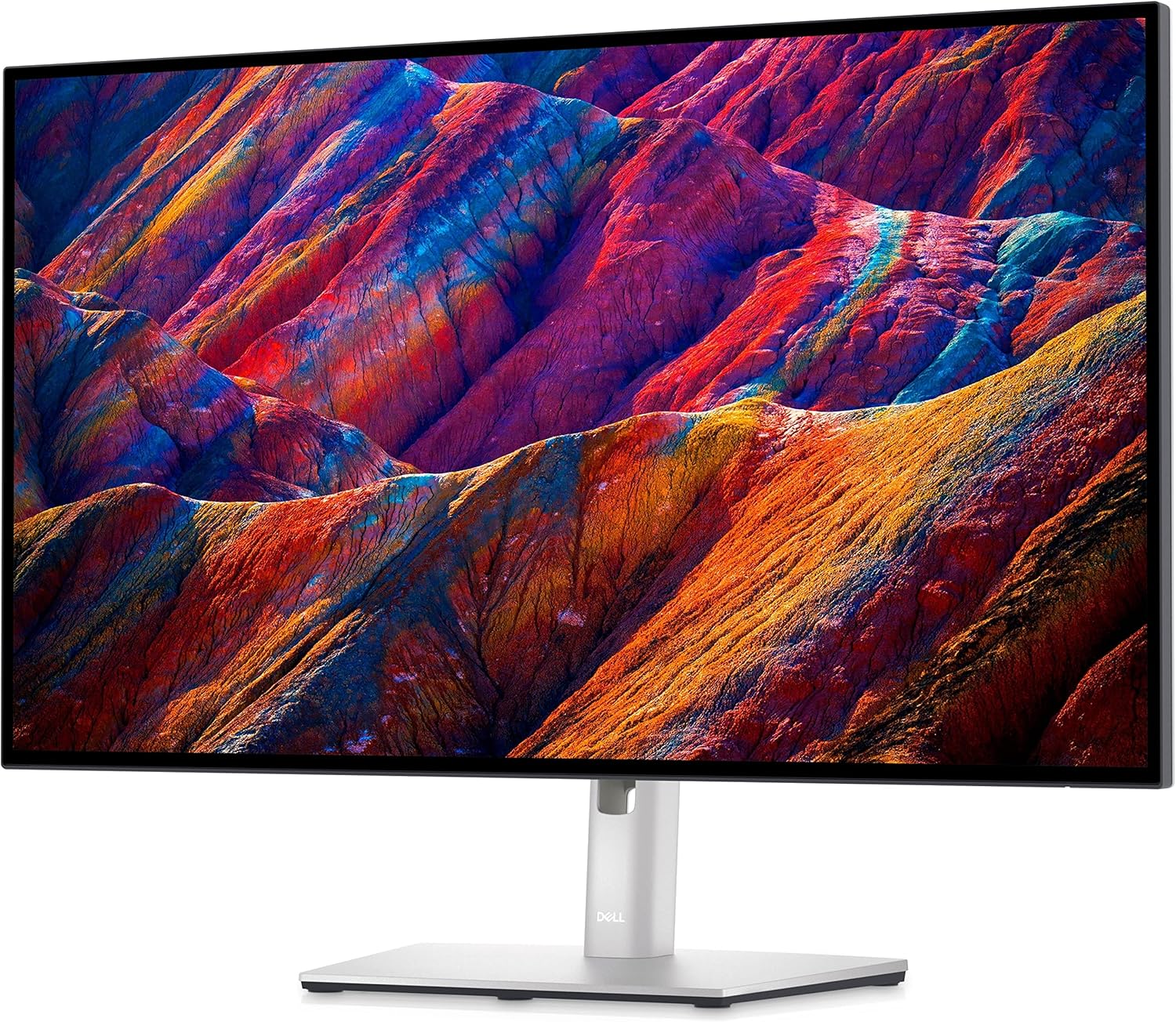
| Best overall | Dell UltraSharp U2723QE | 4K IPS Black panel, USB‑C power‑delivery, superb ergonomics |
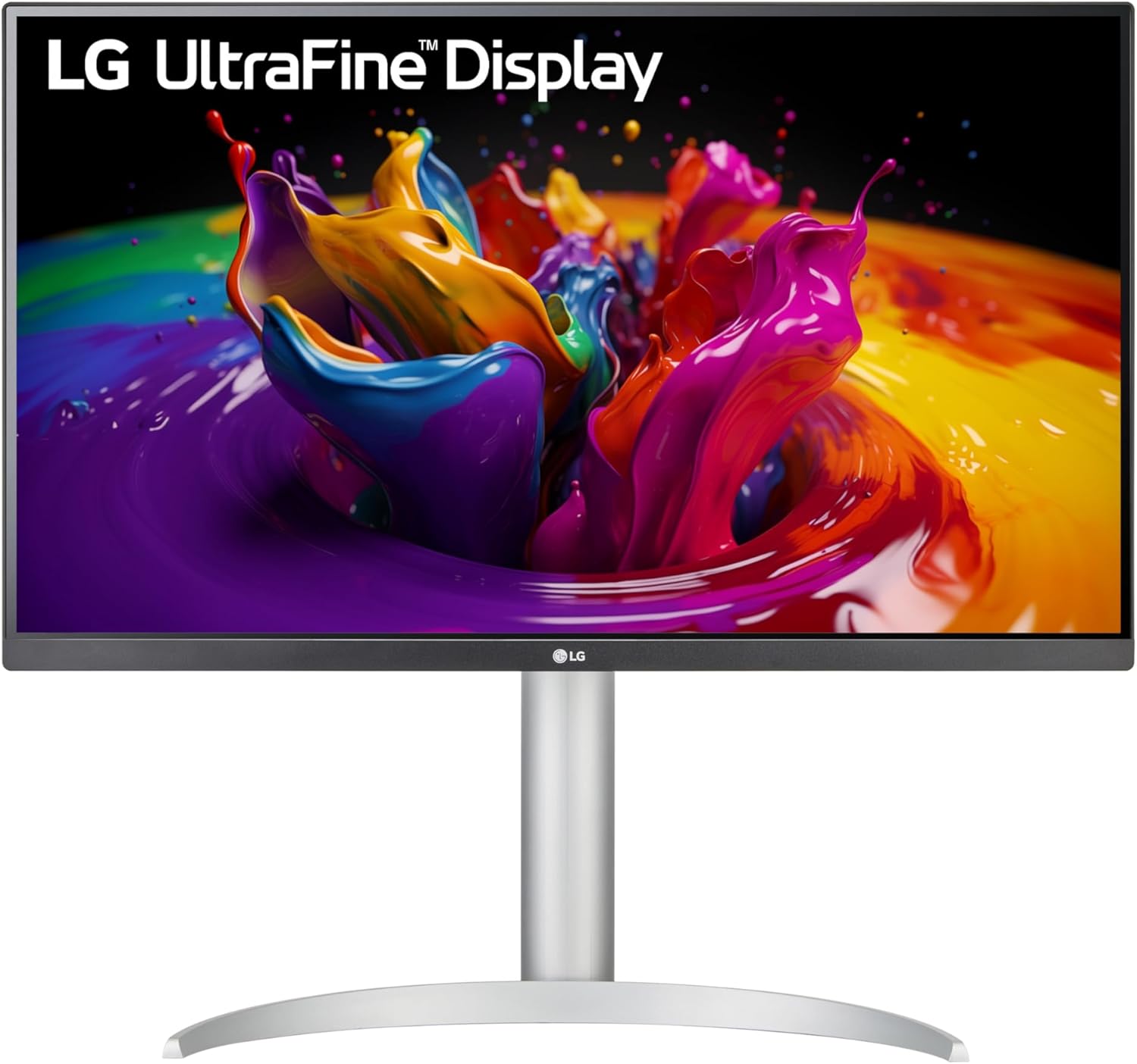
| Best for creators | LG UltraFine 27US850 | 4K color‑accurate display with USB‑C and a highly adjustable stand |
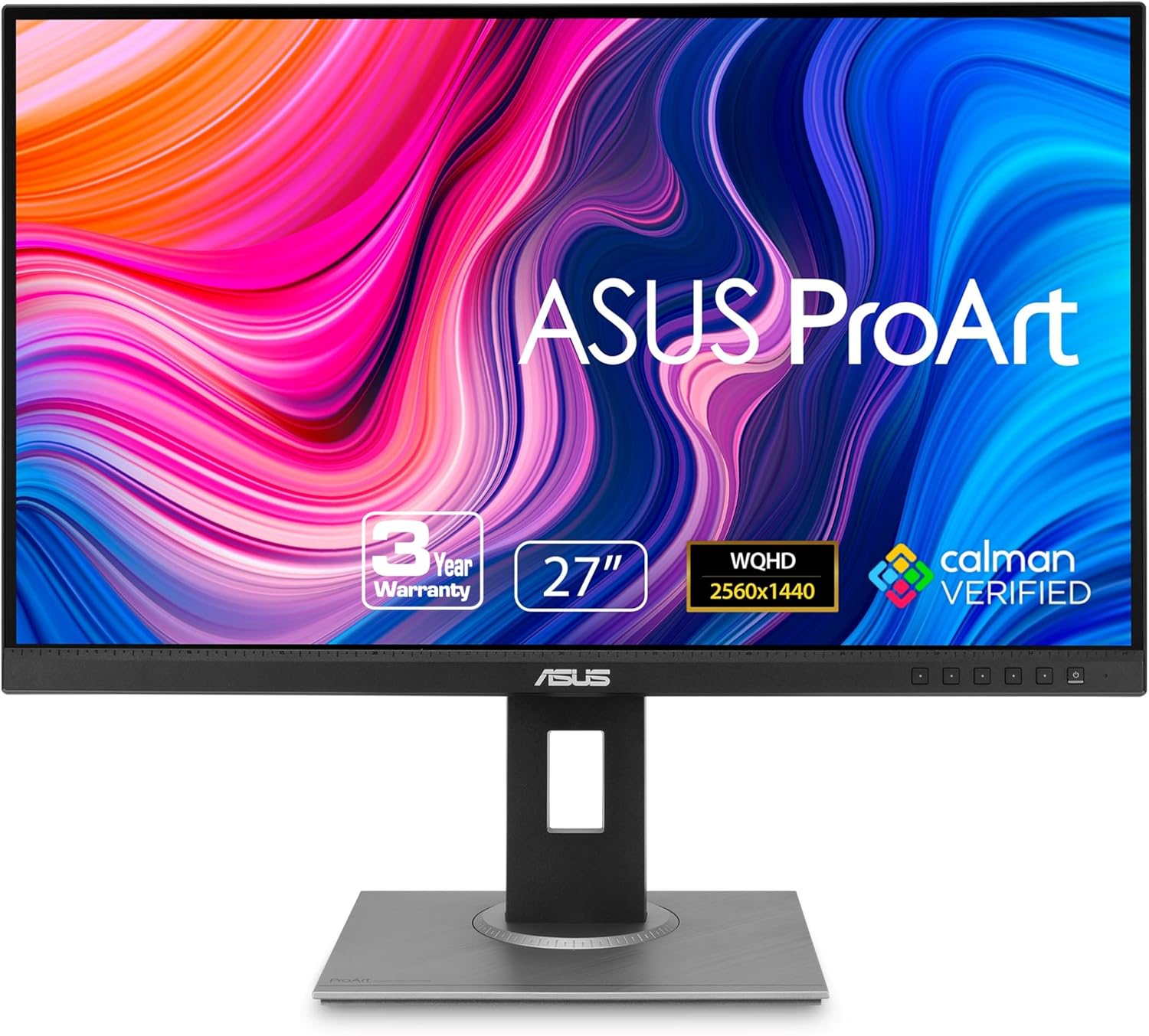
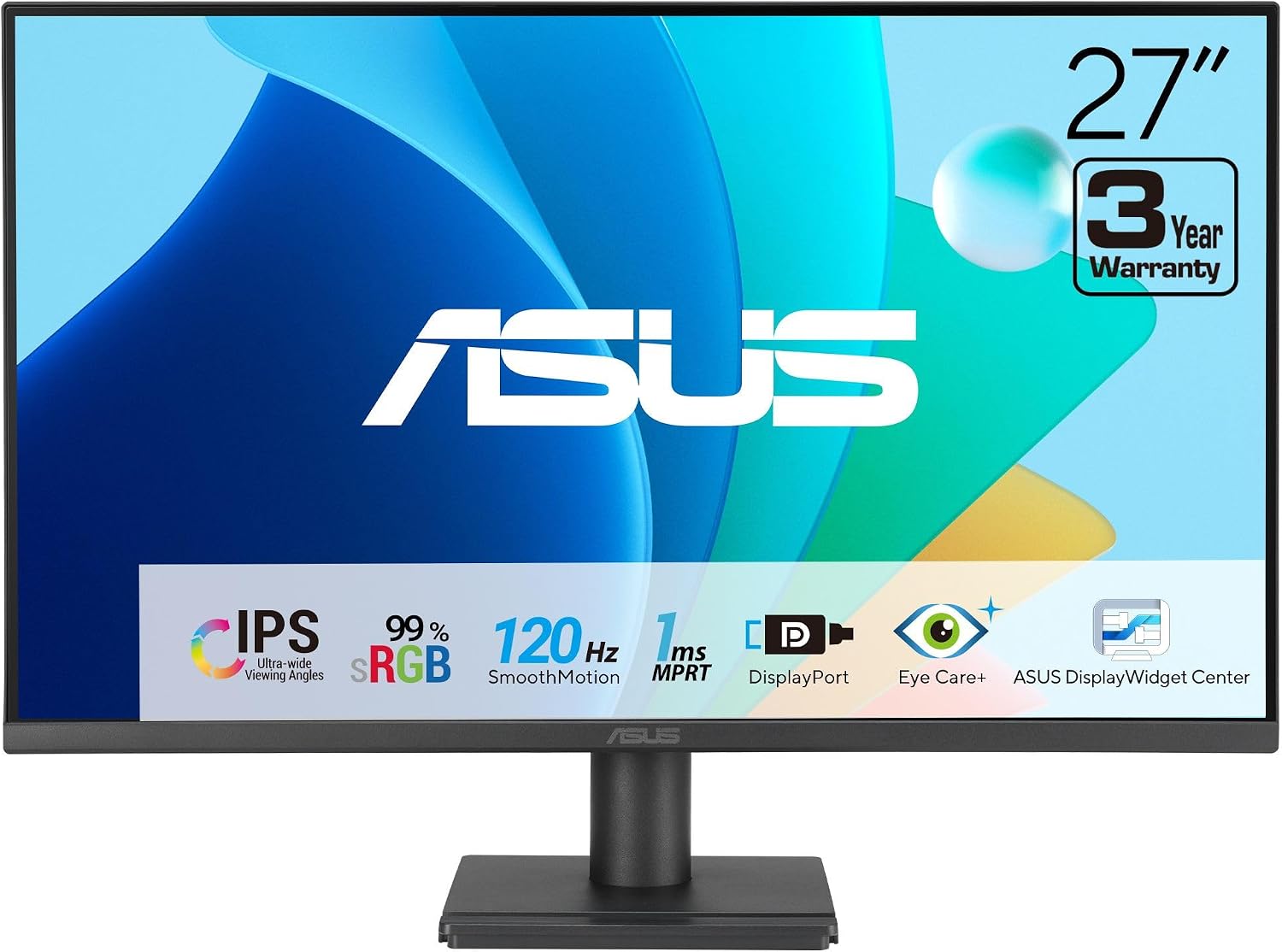
| Best value 1440p | ASUS ProArt PA278 | Factory‑calibrated 100 % sRGB at a price most office desks can afford |
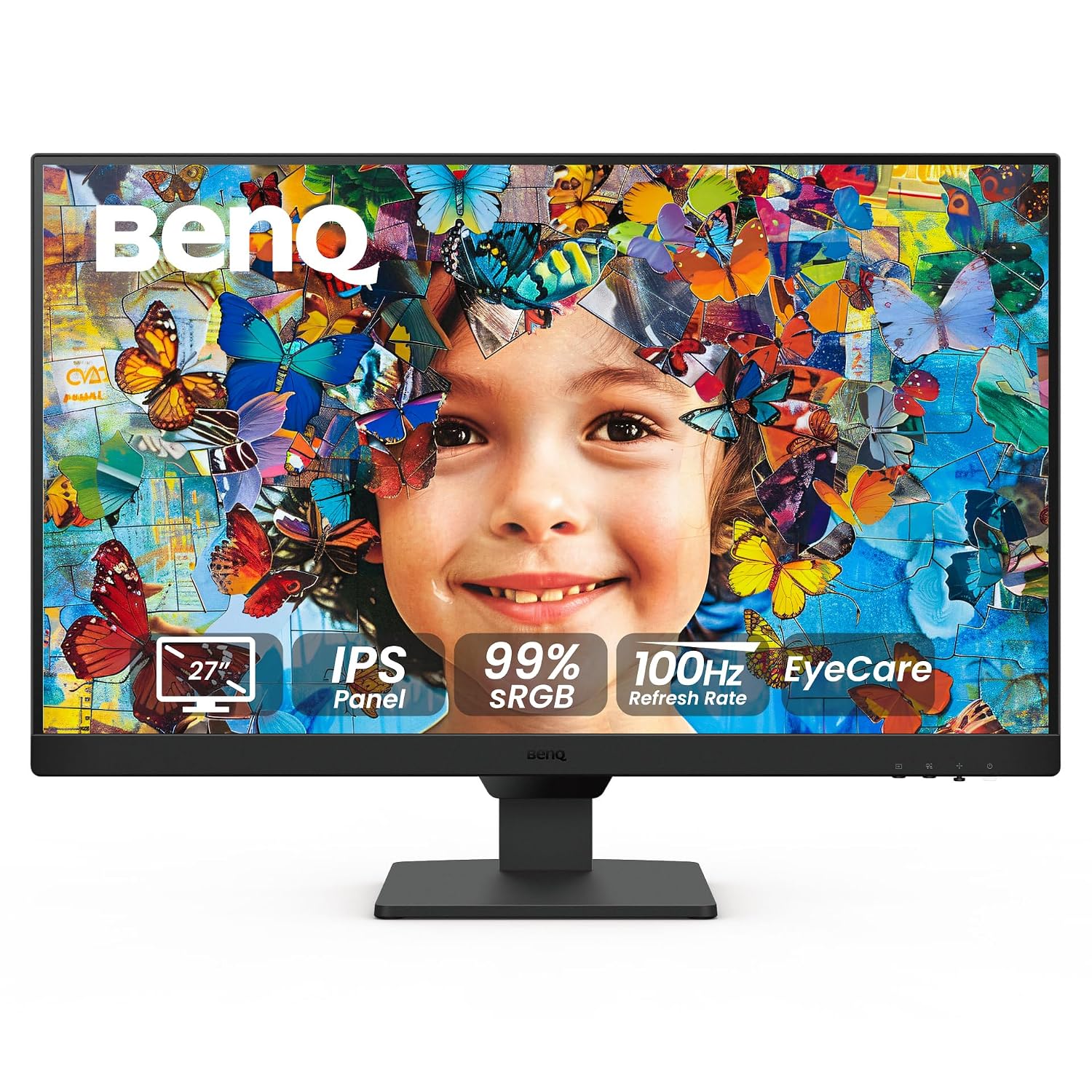
| Budget pick | BenQ GW2790 | Flicker‑free, low‑blue‑light tech and built‑in speakers for under $200 |
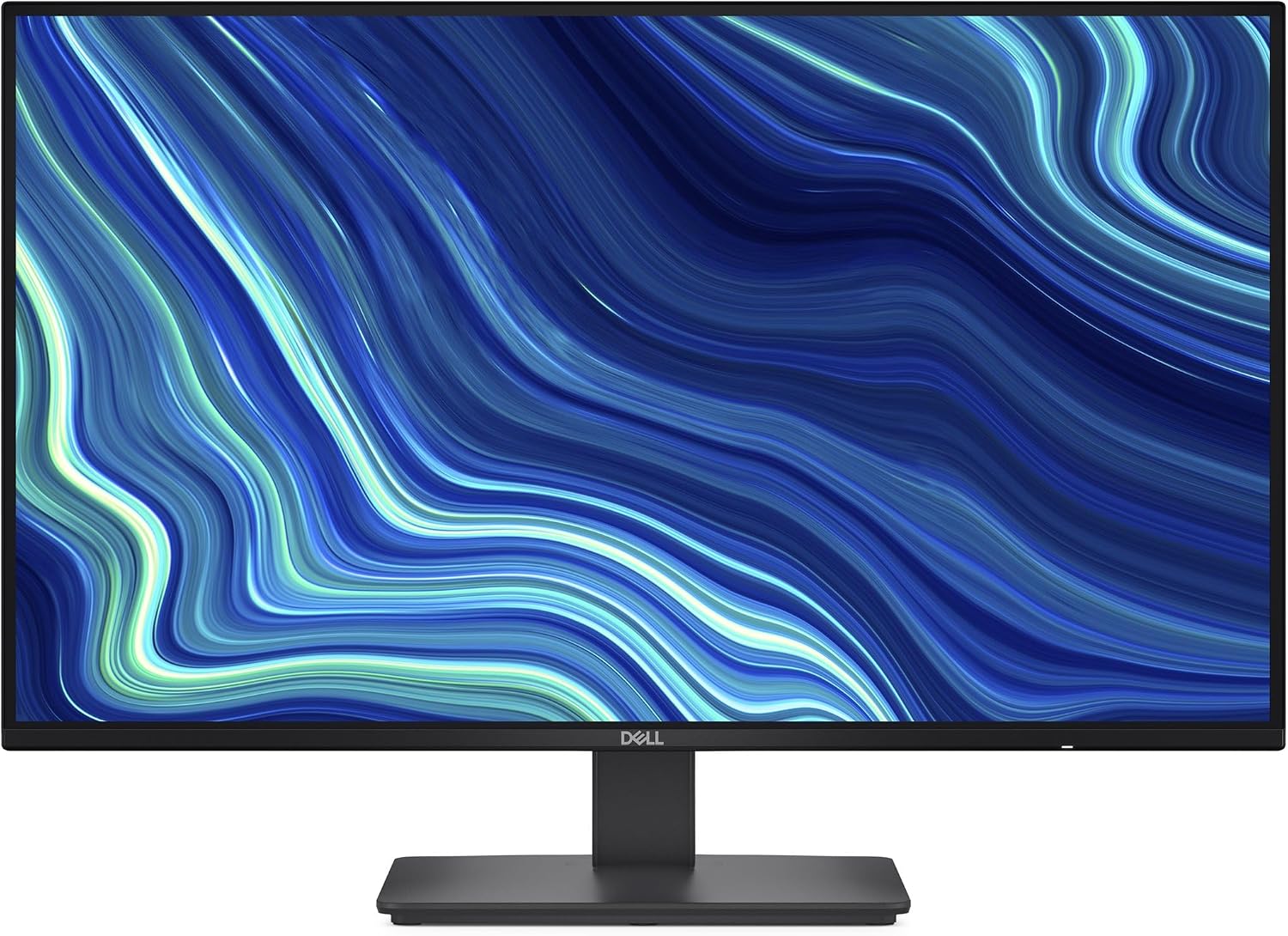
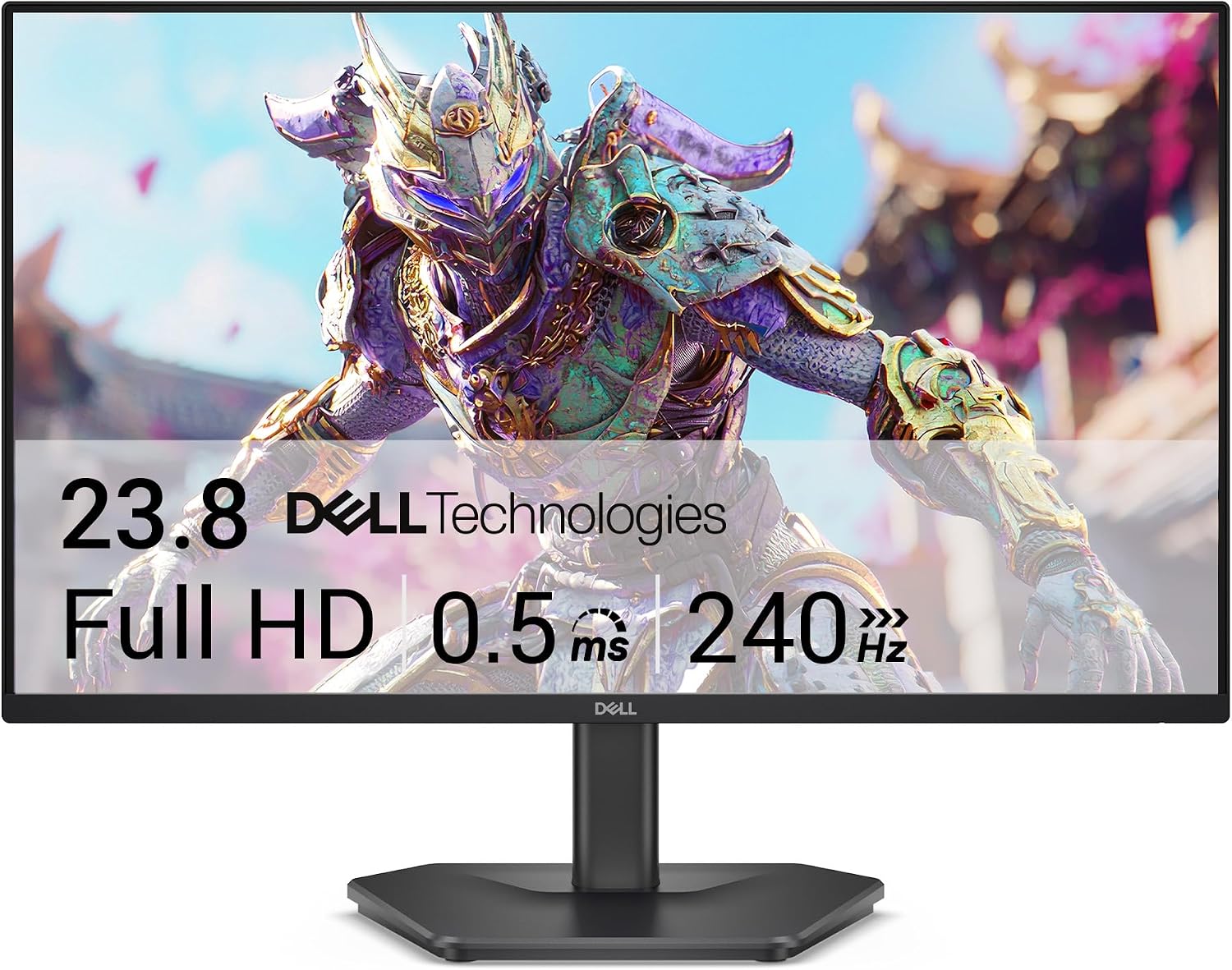
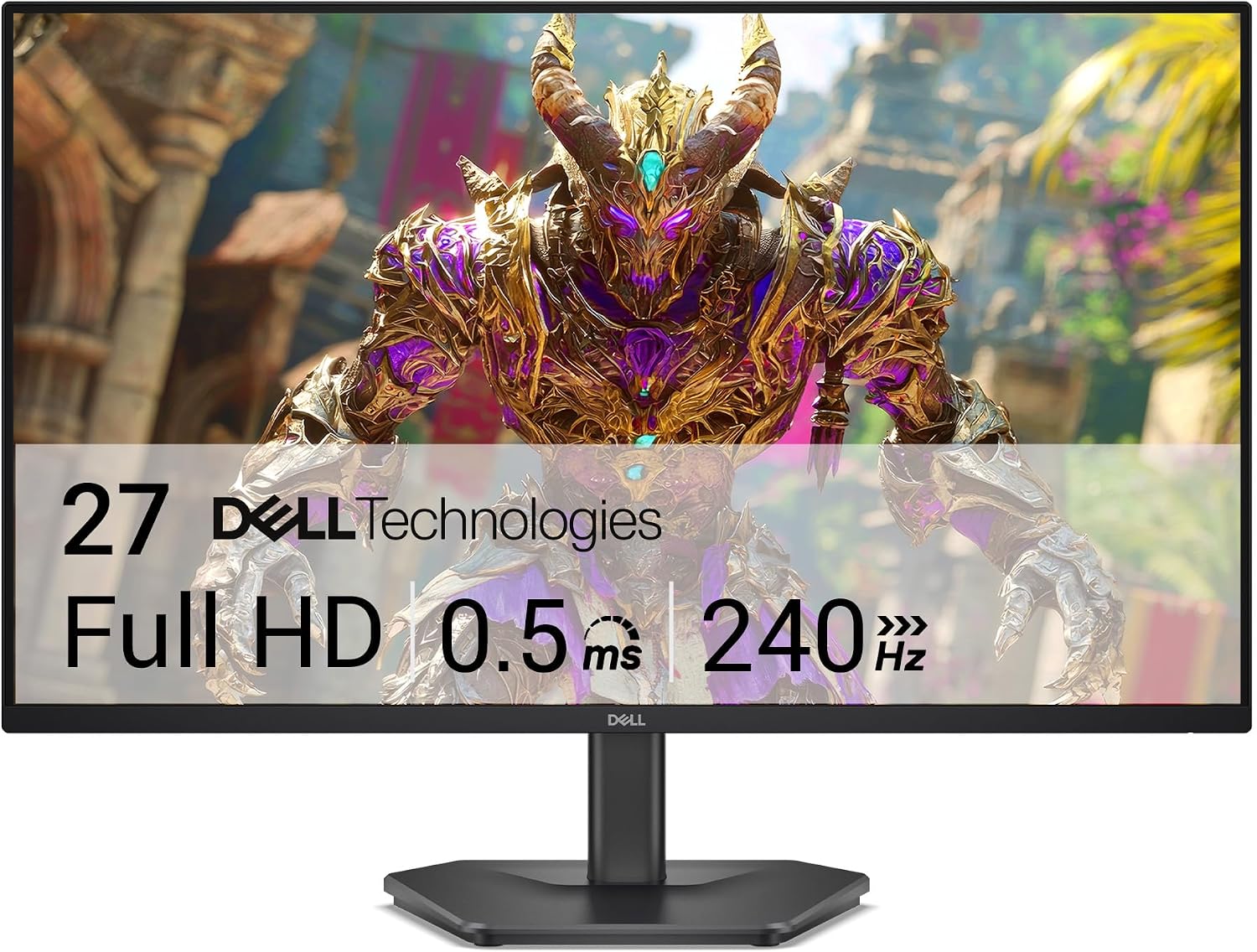
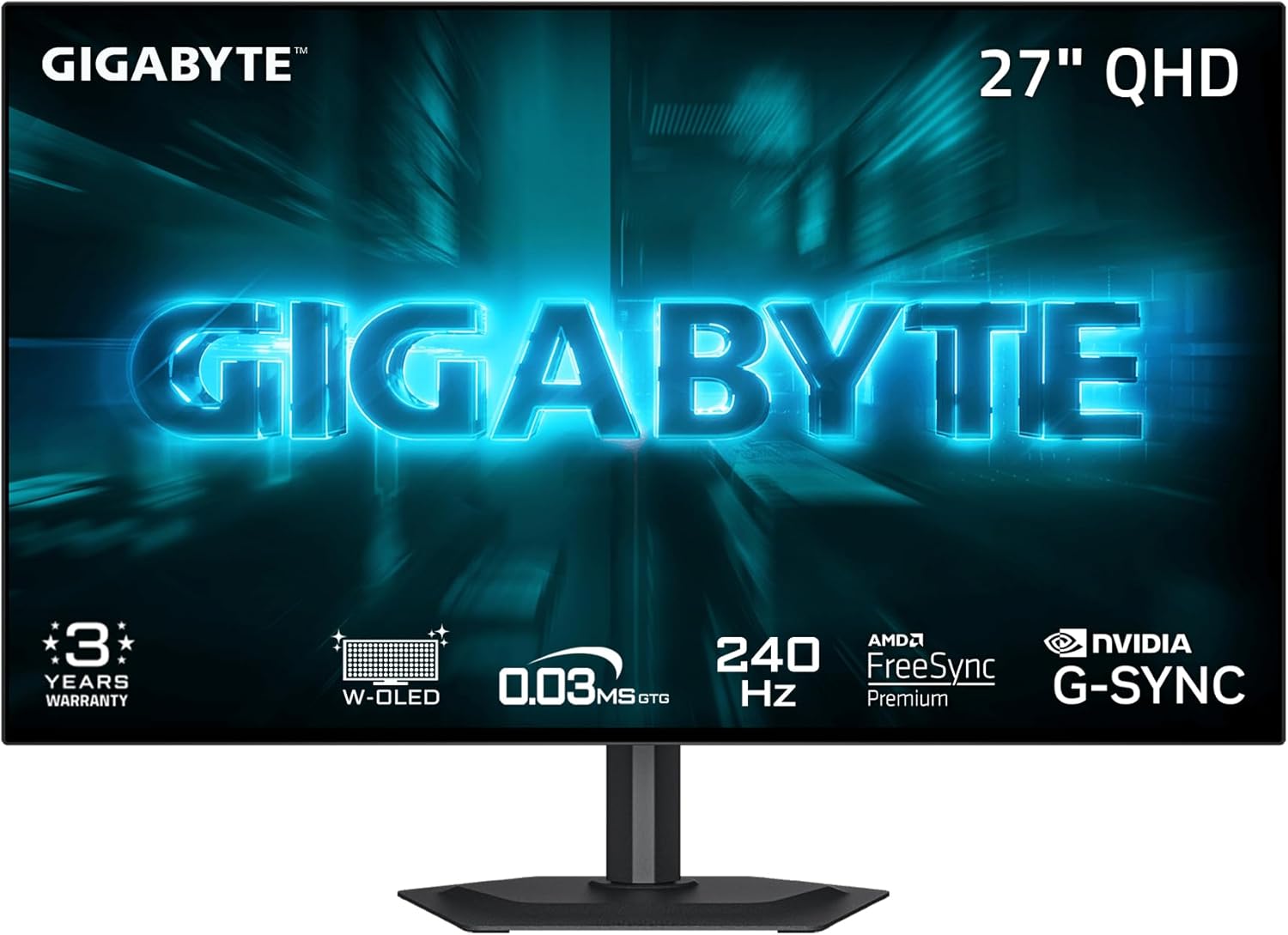
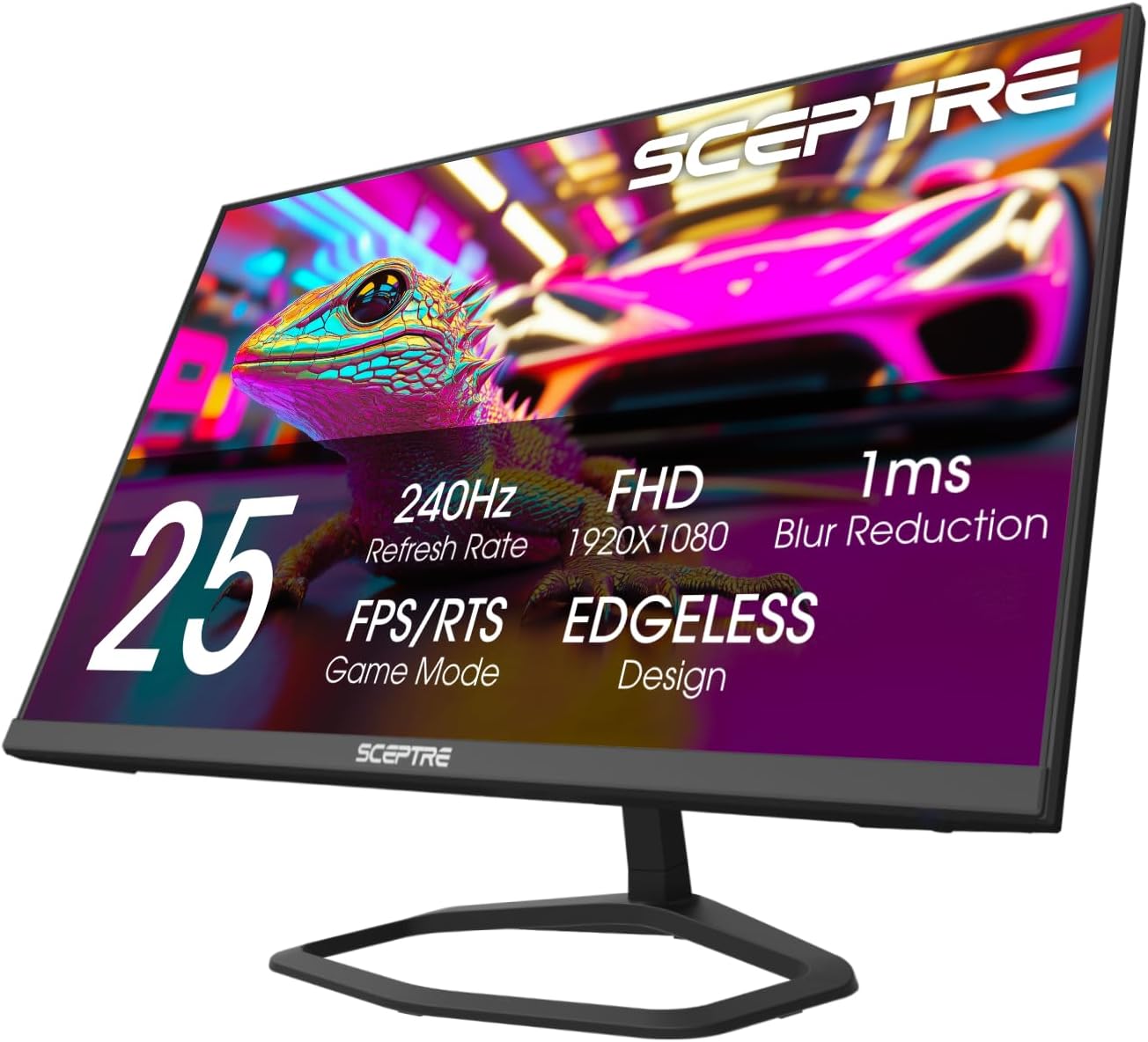
| Gaming‑ready (high refresh) | Dell 27 240Hz Gaming Monitor – SE2726HG | 240 Hz refresh and 1 ms response for ultra‑smooth motion |
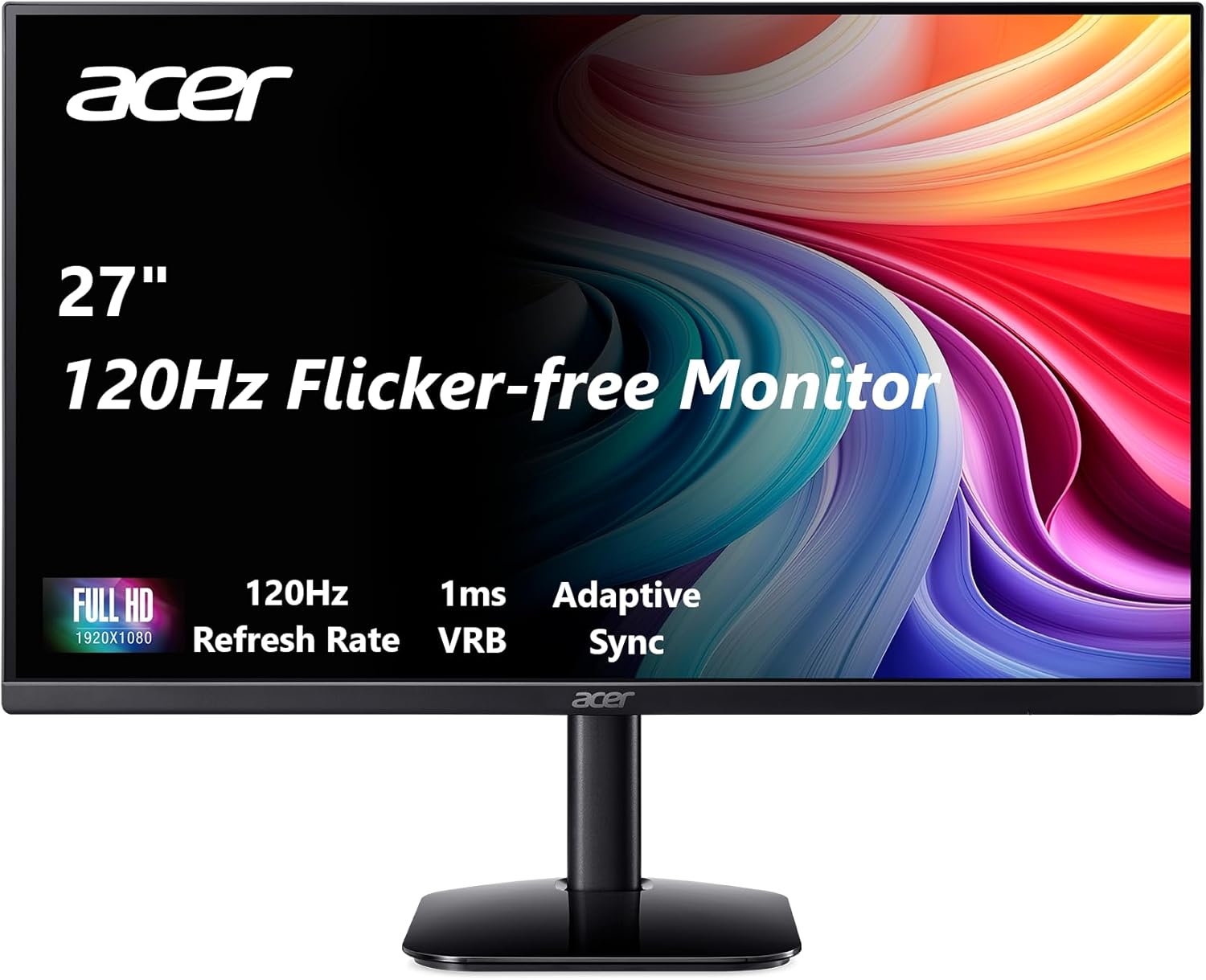
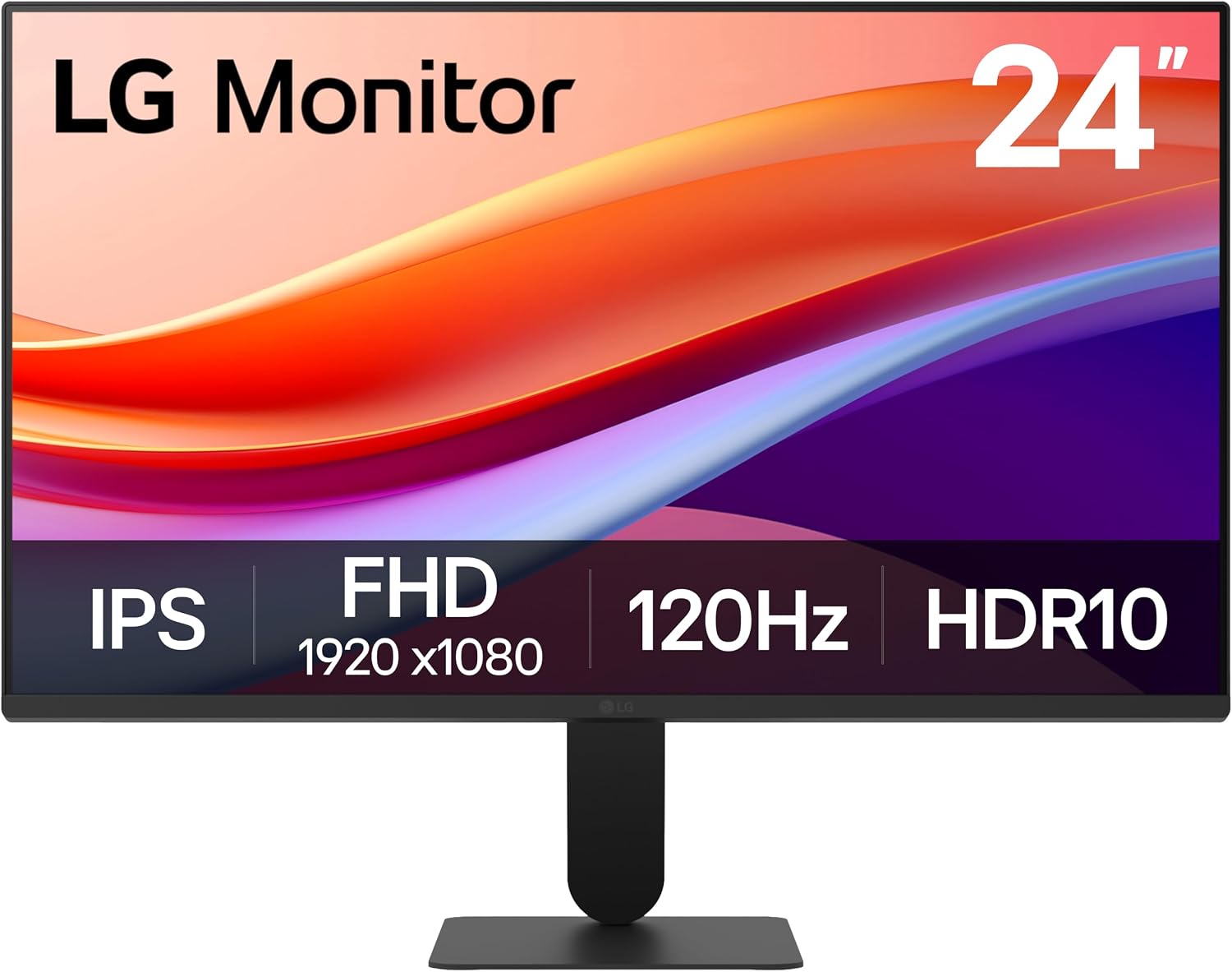
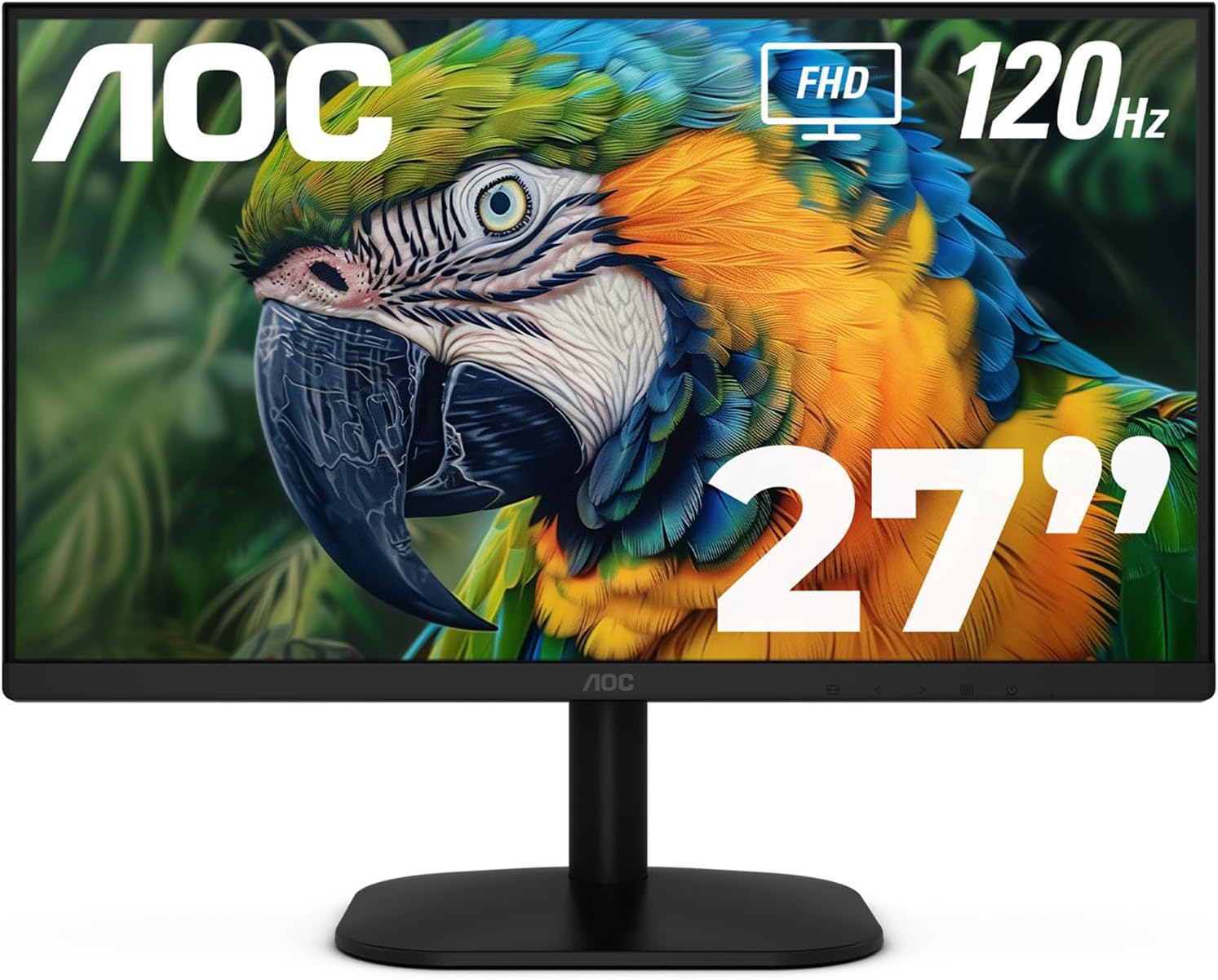
| Balanced all‑rounder | Acer 27‑in FHD 120 Hz Gaming Monitor | 120 Hz IPS panel that handles both work and casual gaming without breaking the bank |
Comparison table
| Model | Size (in) | Resolution | Panel | Refresh Rate | Response | USB‑C Power | Ergonomic Adjustments | Built‑in Speakers | Approx. Price |
|---|---|---|---|---|---|---|---|---|---|
| Dell UltraSharp U2723QE | 27 | 3840 × 2160 (4K) | IPS Black | 60 Hz | 5 ms | Yes (90 W) | Height, tilt, swivel, pivot, rotation | Yes | $600–$750 |
| LG UltraFine 27US850 | 27 | 3840 × 2160 (4K) | IPS | 60 Hz | 5 ms | Yes (60 W) | Height, tilt, swivel, pivot | Yes | $550–$650 |
| ASUS ProArt PA278 | 27 | 2560 × 1440 (QHD) | IPS | 75 Hz | 5 ms | No | Height, tilt, swivel, pivot | No | $250–$350 |
| BenQ GW2790 | 27 | 1920 × 1080 (FHD) | IPS | 60 Hz | 5 ms | No | Tilt only | Yes | $150–$200 |
| Acer 27‑in FHD 120 Hz Gaming Monitor | 27 | 1920 × 1080 (FHD) | IPS | 120 Hz | 1 ms | No | Tilt only | No | $200–$250 |
| Dell SE2726HG (240 Hz) | 27 | 1920 × 1080 (FHD) | IPS | 240 Hz | 1 ms | No | Tilt only | No | $250–$300 |
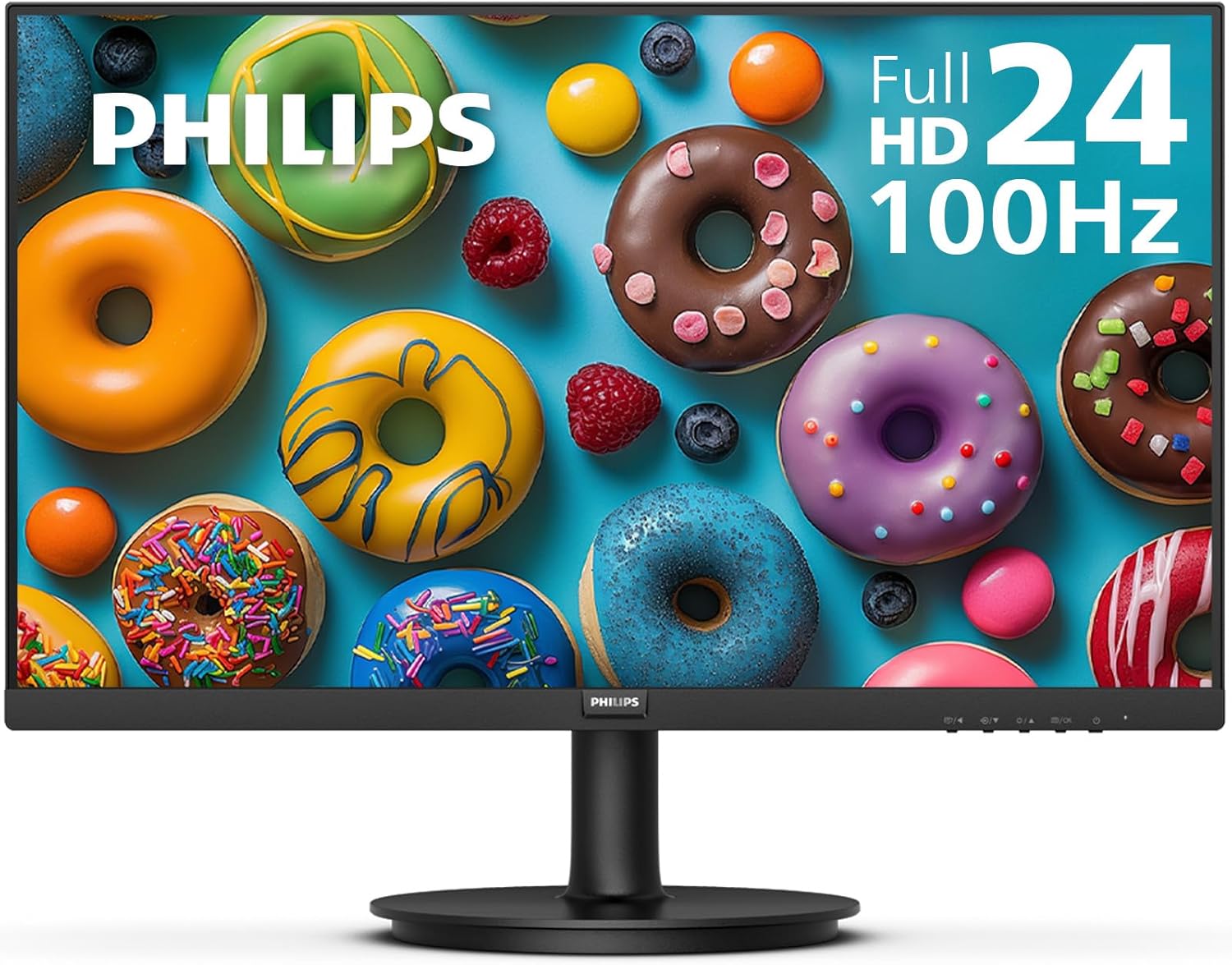
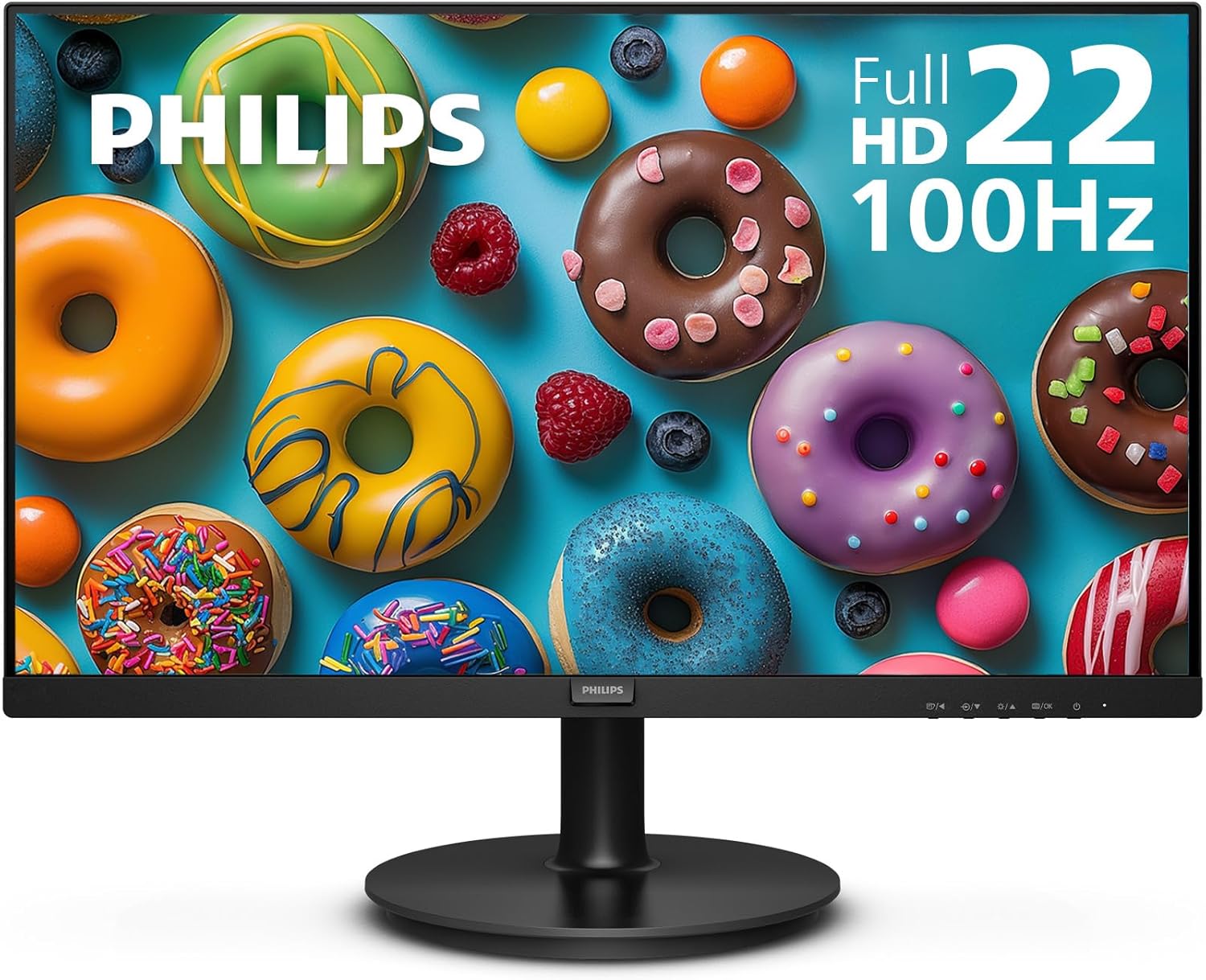
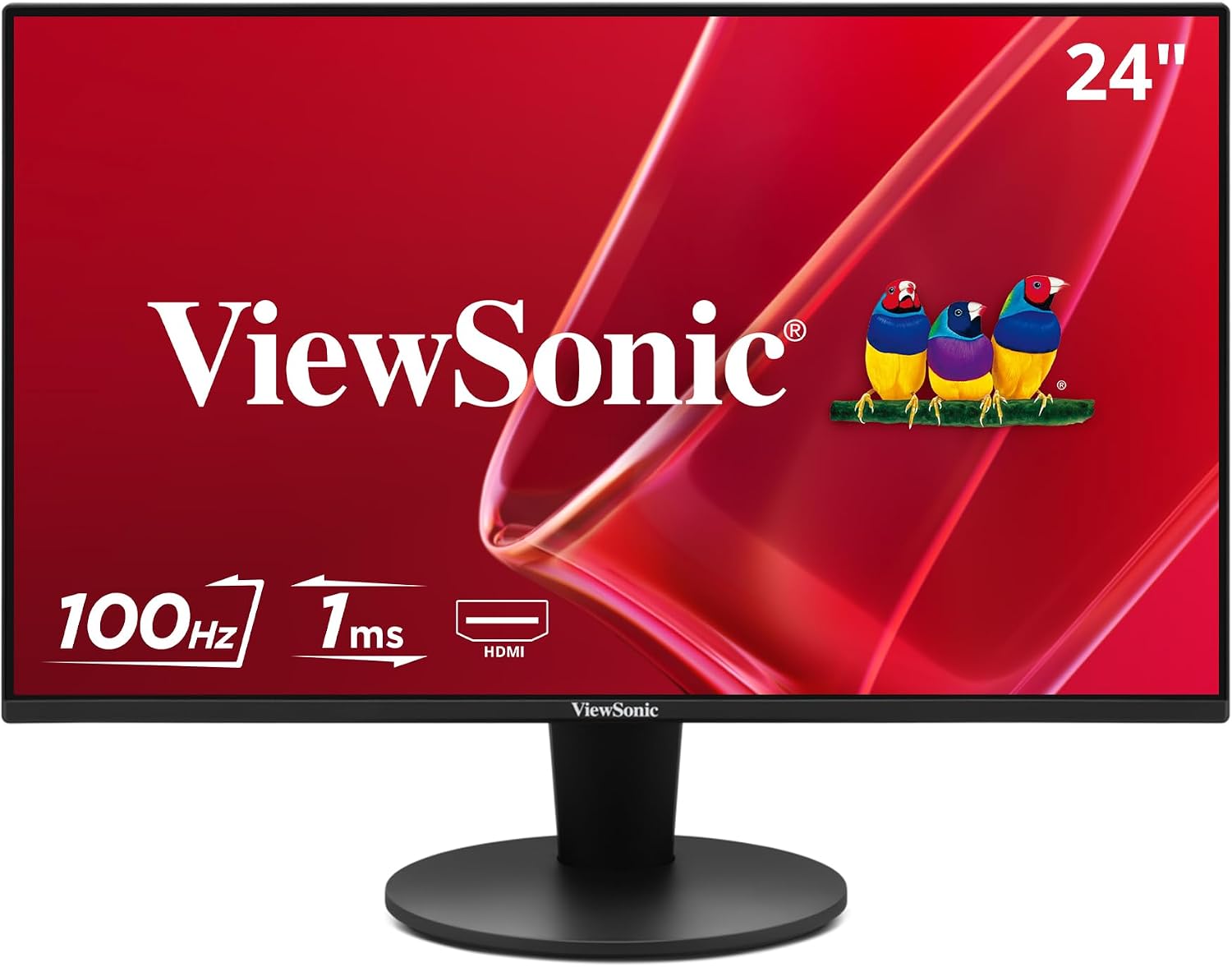
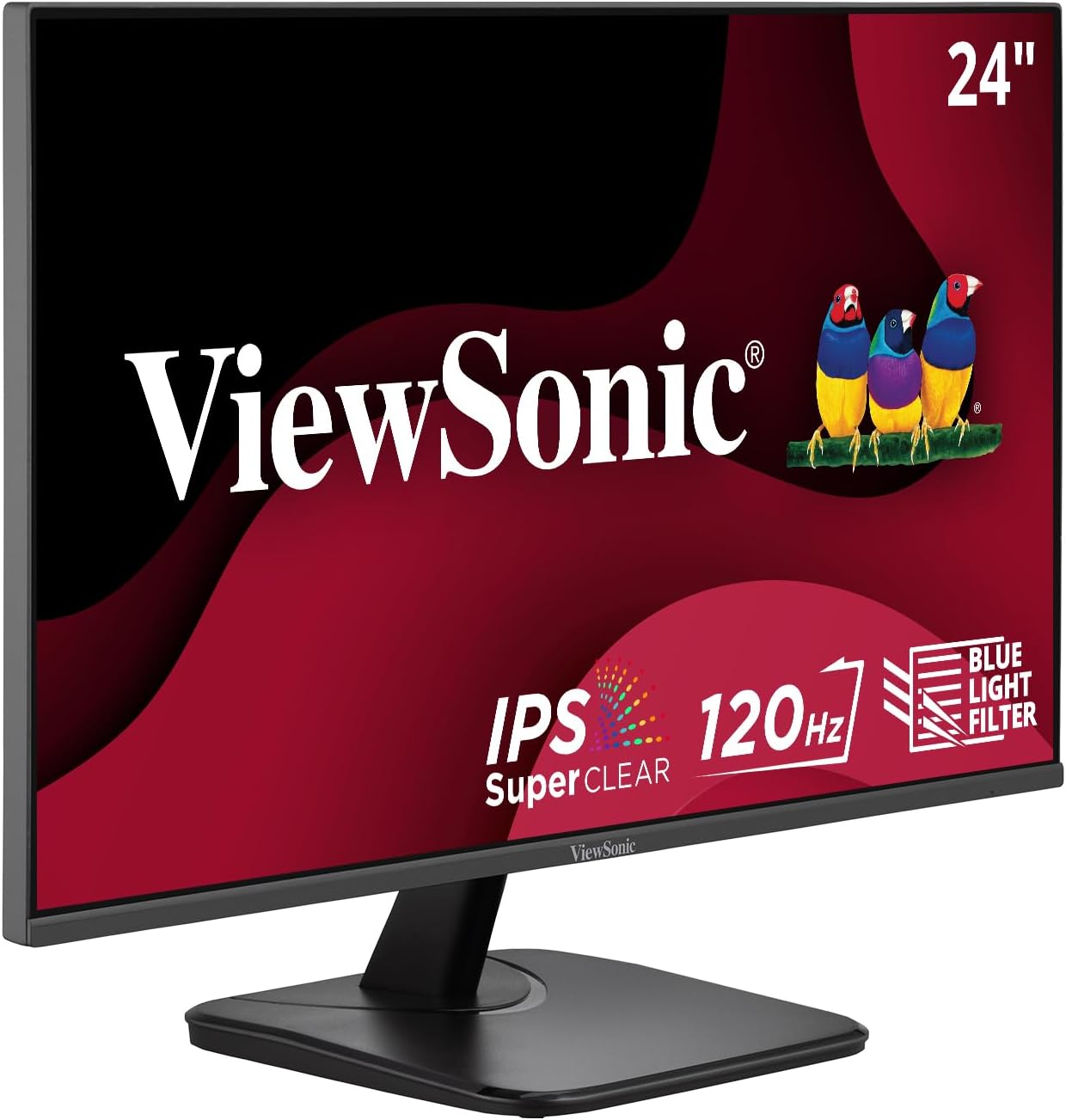
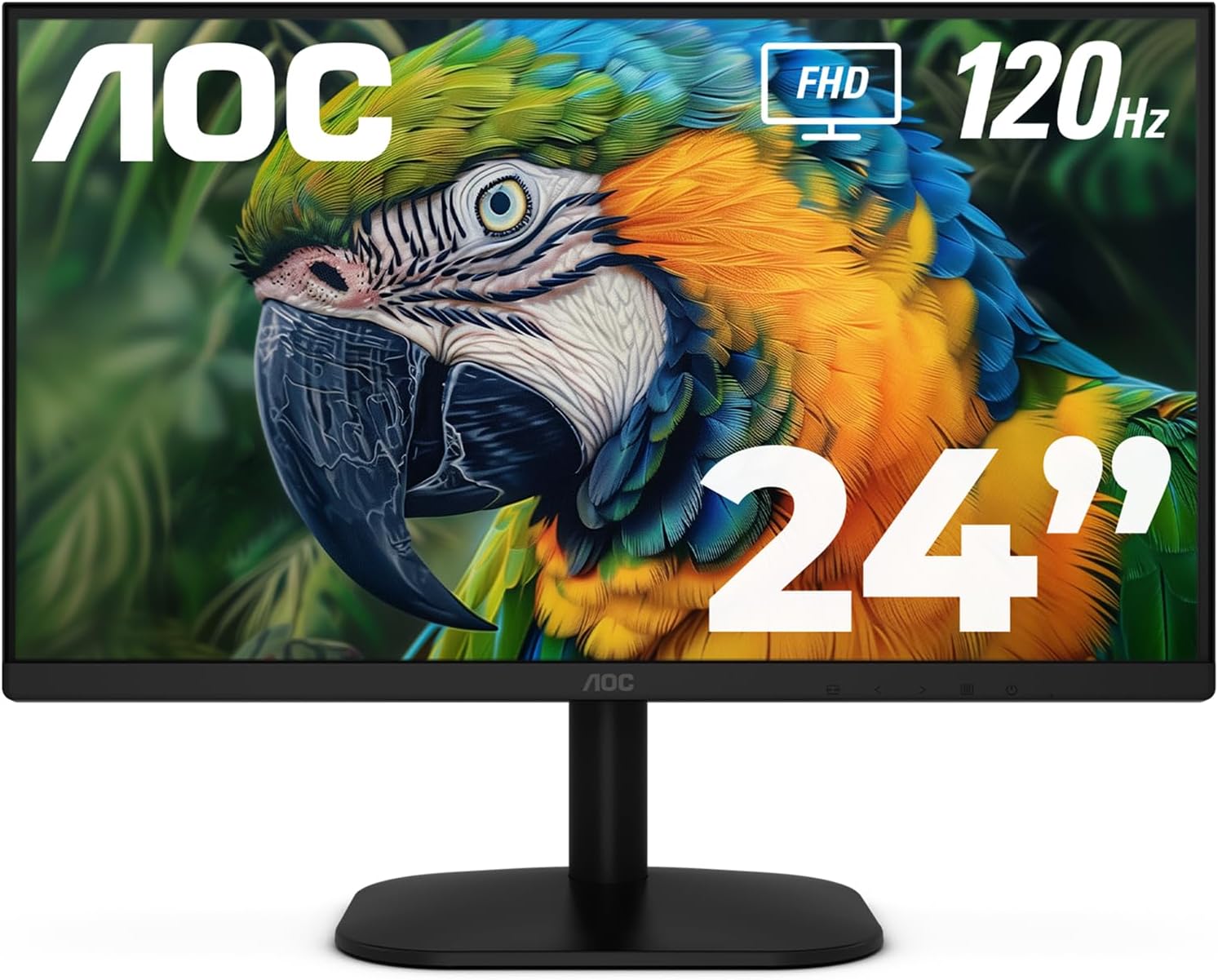
| Philips 24‑in 100 Hz VA (241V8) | 24 | 1920 × 1080 (FHD) | VA | 100 Hz | 4 ms | No | Tilt only | No | $130–$170 |
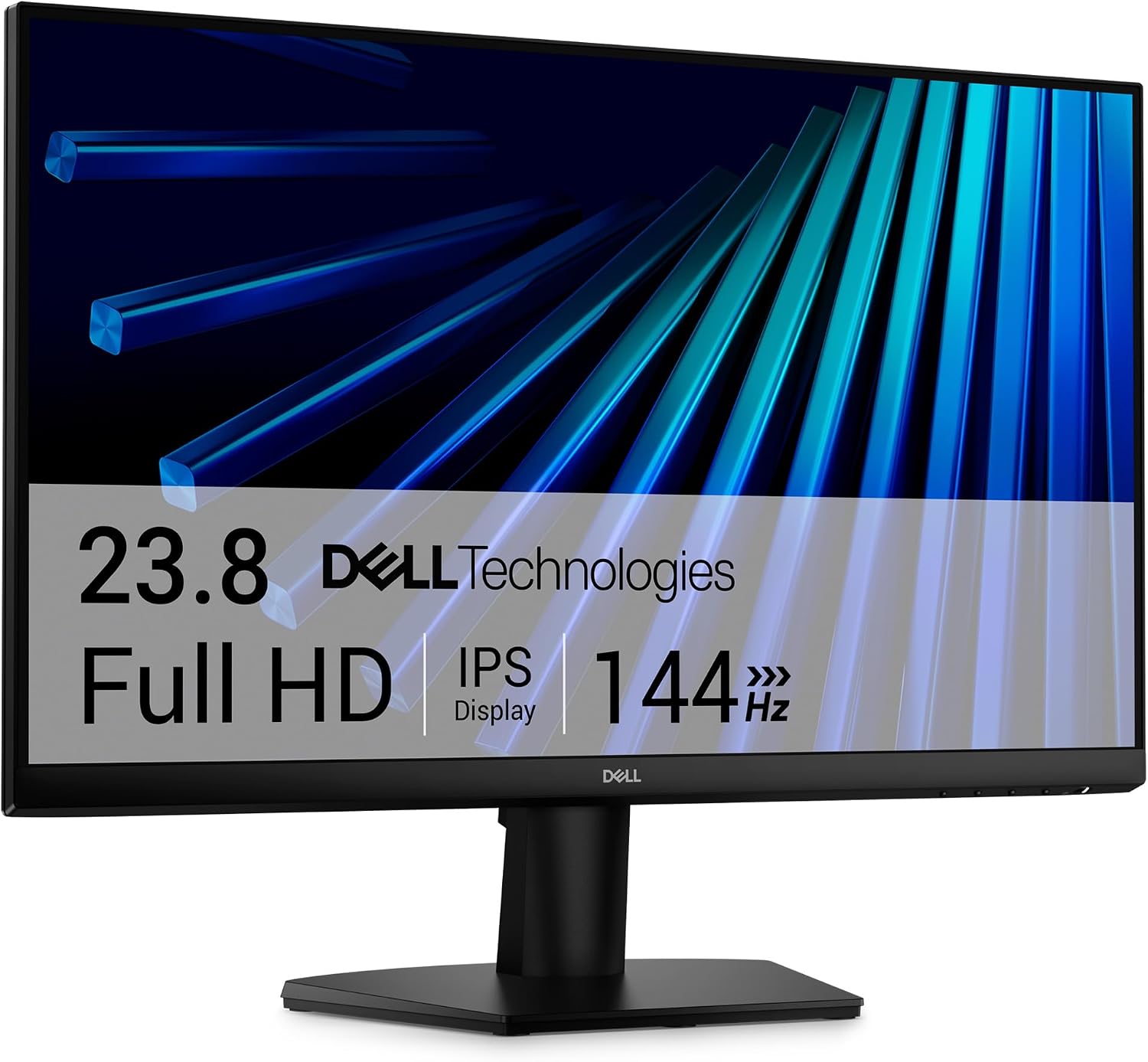
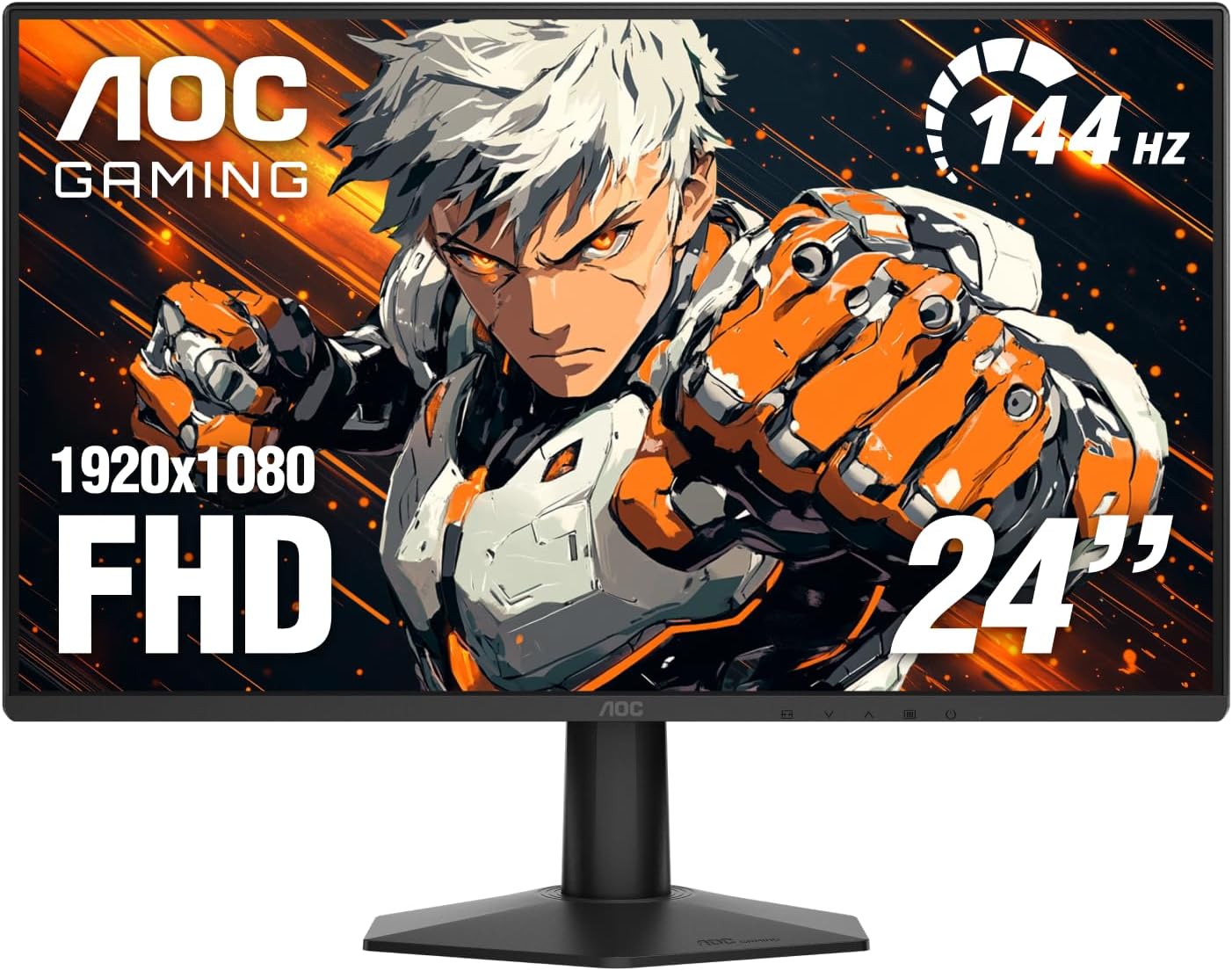
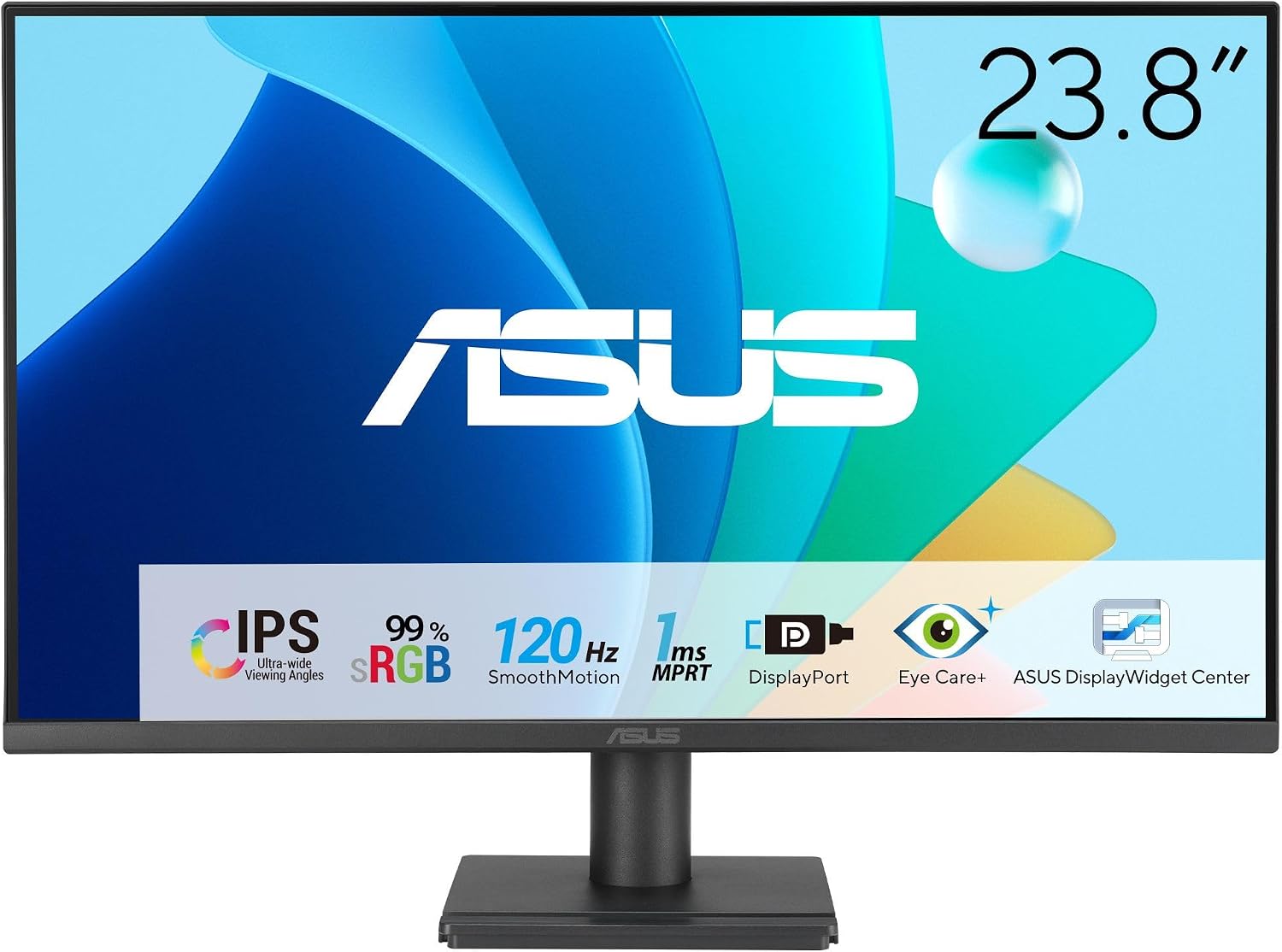
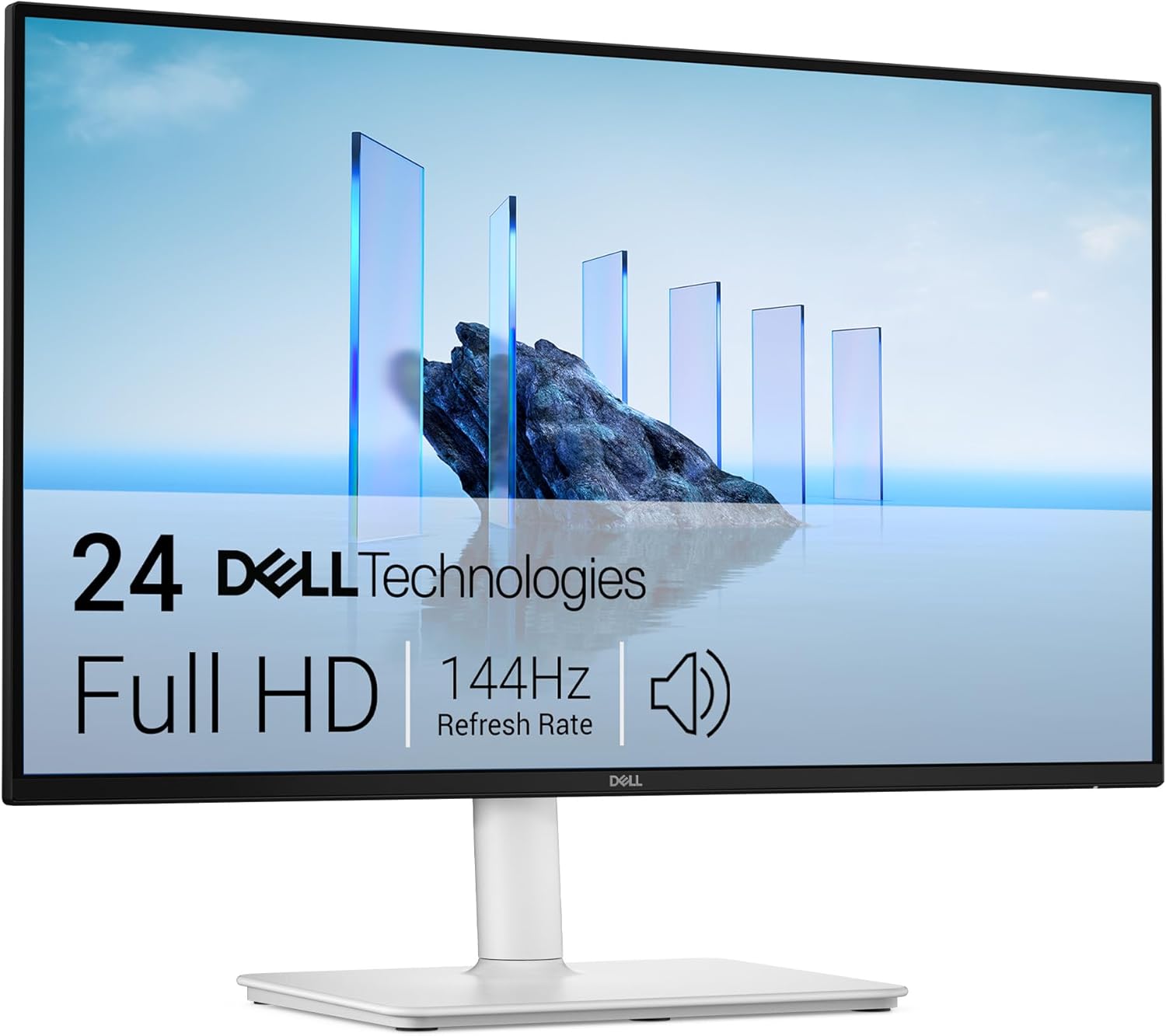
| Dell SE2426H (144 Hz) | 23.8 | 1920 × 1080 (FHD) | IPS | 144 Hz | 1 ms | No | Tilt only | No | $130–$180 |
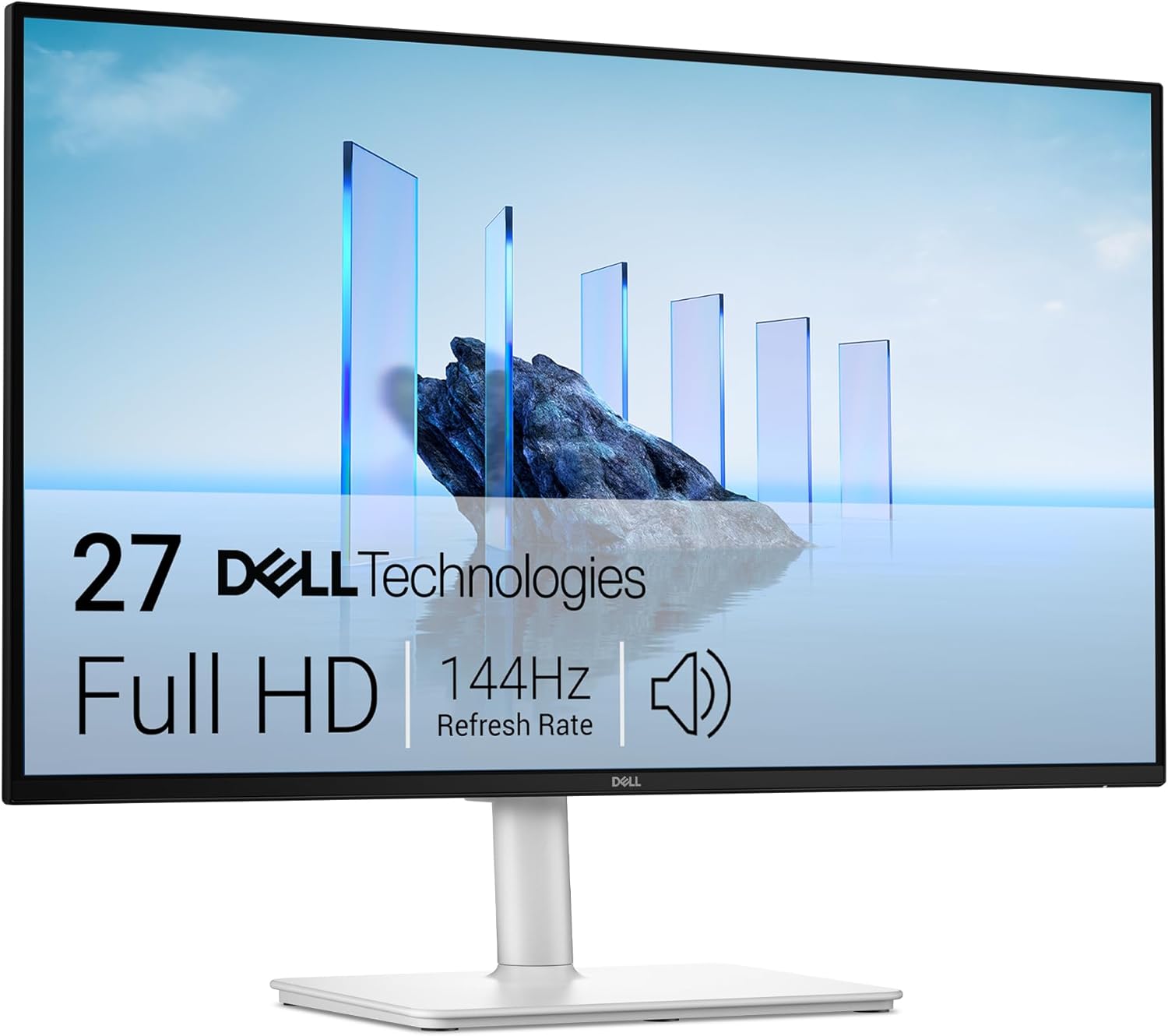
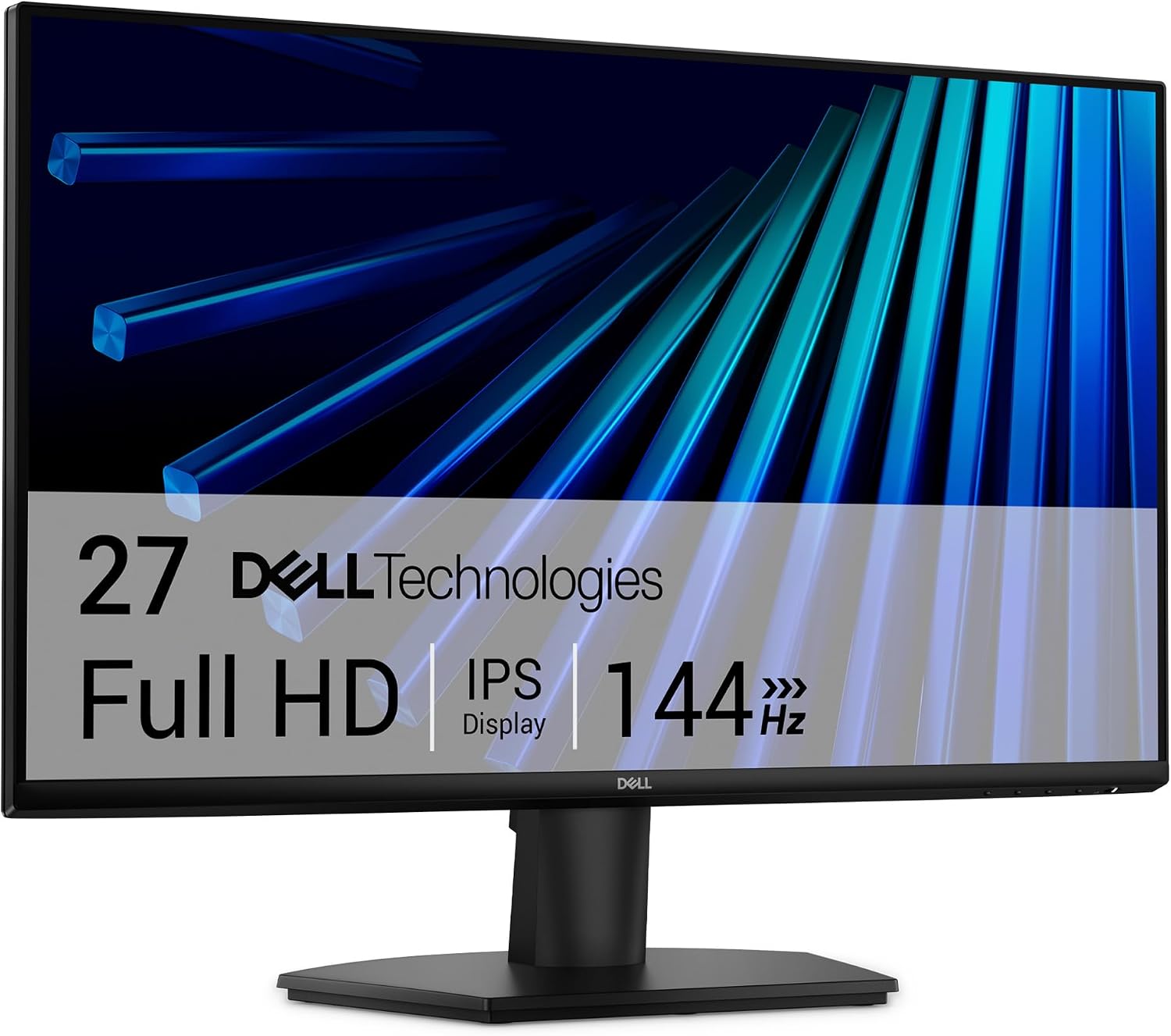
| Dell S2725HSM (144 Hz) | 27 | 1920 × 1080 (FHD) | IPS | 144 Hz | 1 ms | No | Tilt only | Yes | $199–$249 |
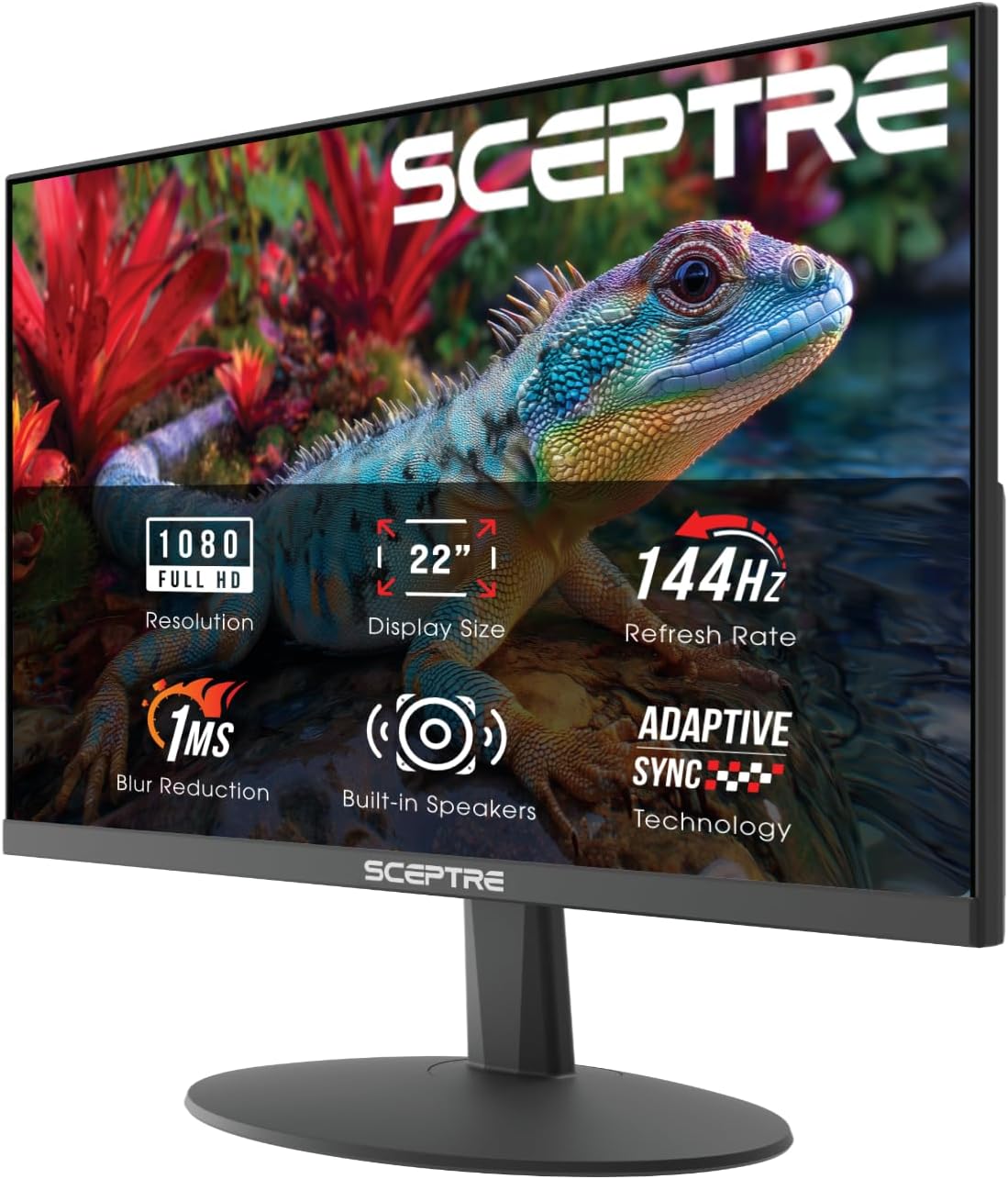
| Philips 22‑in 100 Hz VA (221V8) | 22 | 1920 × 1080 (FHD) | VA | 100 Hz | 4 ms | No | Tilt only | No | $120–$150 |
What to look for
Choosing a monitor isn’t just about picking the highest resolution or the flashiest refresh rate. Below are the criteria that most directly affect day‑to‑day comfort, visual fidelity, and long‑term value.
1. Screen size and viewing distance
- Typical home‑office range: 24–27 in.
- Ideal distance: Roughly 1.5 × the diagonal. A 27‑in. 4K screen looks sharp at 3–4 ft, while a 24‑in. FHD panel is comfortable at 2–3 ft.
- Why it matters: Too large a screen for a cramped desk forces you to turn your head, causing neck strain. Too small a screen forces you to squint, increasing eye fatigue.
2. Resolution
| Resolution | Pixel density (PPI) on 27‑in. | Use case |
|---|---|---|
| 1920 × 1080 (FHD) | ~81 PPI | General office work, email, web browsing |
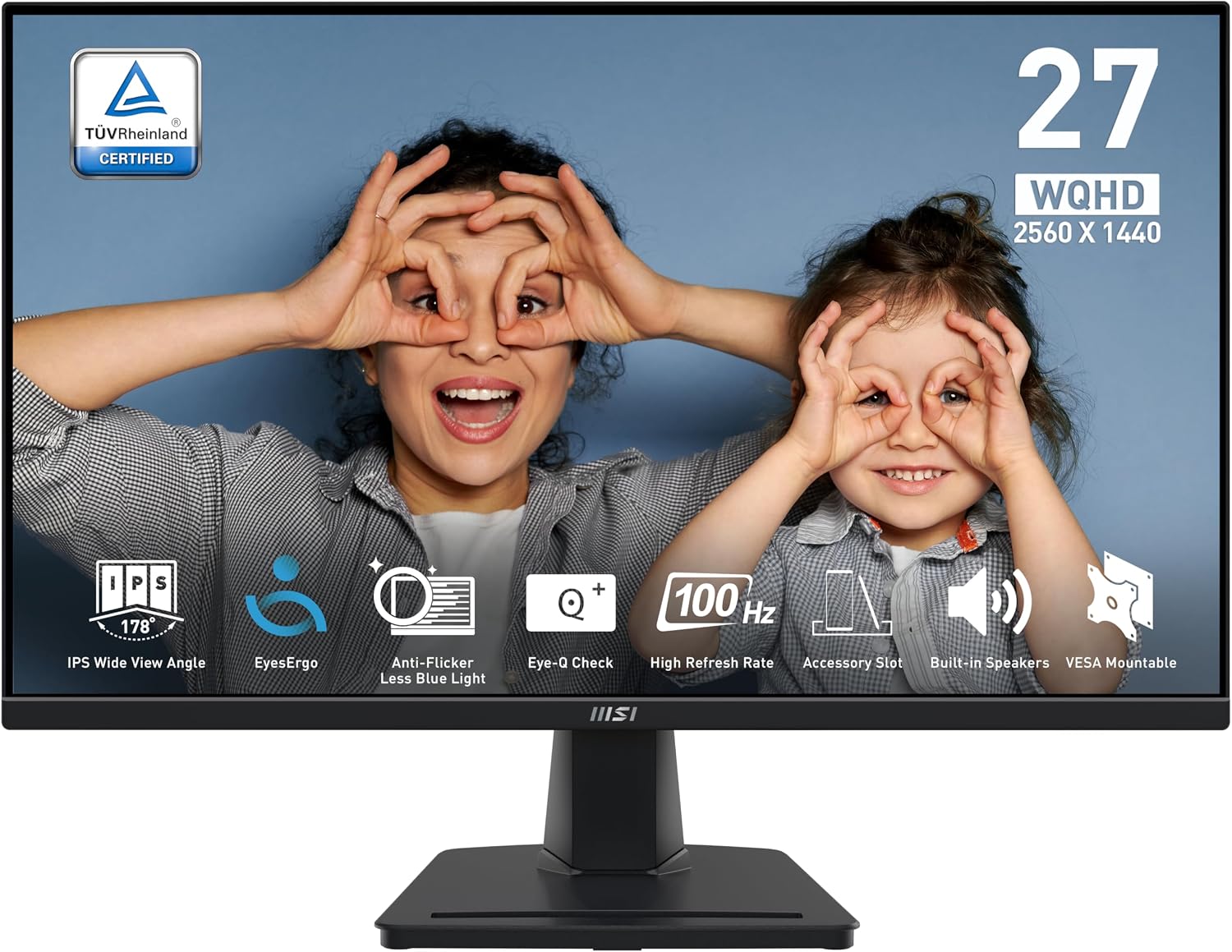
| 2560 × 1440 (QHD) | ~109 PPI | Photo editing, multitasking with multiple windows |
| 3840 × 2160 (4K) | ~163 PPI | Graphic design, video editing, crisp text at close distance |
Higher pixel density gives sharper text and more screen real estate, but it also demands more from your GPU if you plan to game or run multiple 4K apps simultaneously.
3. Panel technology
- IPS (In‑Plane Switching): Best color accuracy and viewing angles (up to 178°). Slightly higher power draw (≈30 W typical). Ideal for creators and collaborative spaces.
- VA (Vertical Alignment): Higher contrast ratios (≈3000:1) and deeper blacks, but narrower viewing angles and slower response times. Good for dark‑room media consumption.
- IPS‑Black (Dell UltraSharp U2723QE): A newer variant that improves black levels while keeping IPS color fidelity, useful in dimly lit home offices.
4. Refresh rate and response time
- 60 Hz / 5 ms: Perfect for reading, spreadsheets, and video playback.
- 120 Hz – 144 Hz / 1 ms: Smooth cursor movement and reduced motion blur for fast‑paced work (e.g., CAD) and casual gaming.
- 240 Hz / 1 ms: Competitive gaming advantage; overkill for pure productivity but future‑proof if you game heavily.
5. Color accuracy and coverage
- sRGB 100 %: Baseline for web content.
- Adobe RGB 99 %+ or DCI‑P3: Needed for professional photography and video work.
- Factory calibration: Saves you time; look for a ΔE < 2.
- HDR support (HDR10, DisplayHDR 400+): Adds dynamic range but only noticeable on HDR‑capable content and when paired with a bright (≥300 cd/m²) panel.
6. Connectivity
| Port | Typical use |
|---|---|
| HDMI 2.0 / 2.1 | TVs, consoles, older laptops |
| DisplayPort 1.4 | High‑refresh gaming, multi‑monitor daisy‑chain |
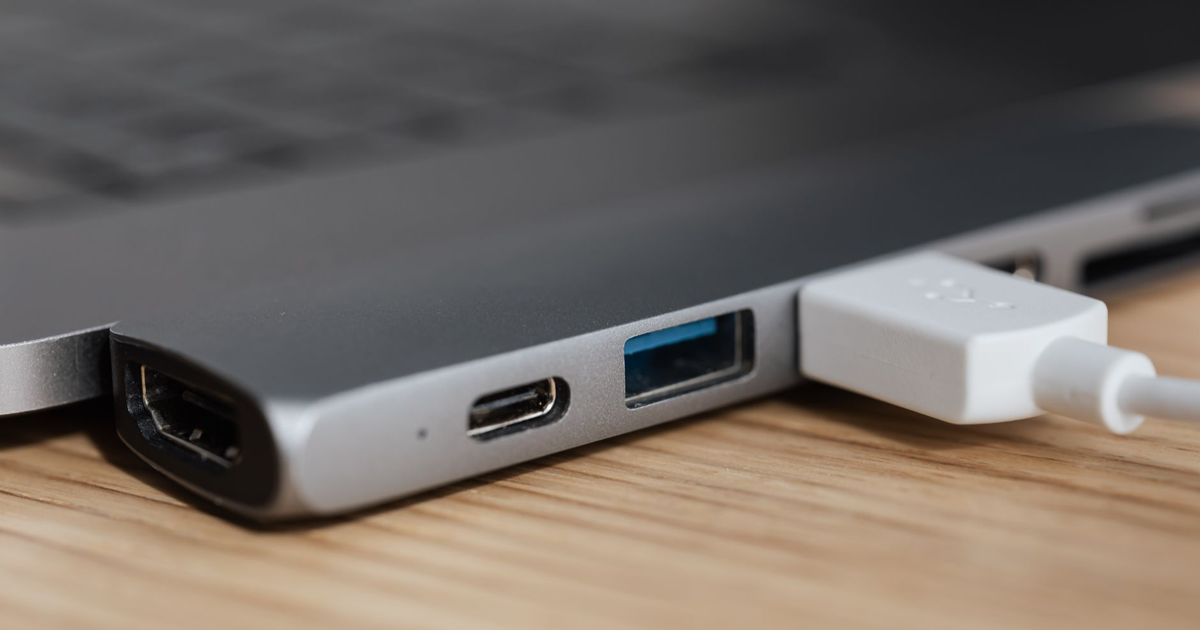
| USB‑C (DP Alt Mode + Power Delivery) | One‑cable laptop docking, reduces desk clutter |
| USB 3.0 hub | Connect peripherals without reaching the PC |
| Audio out (3.5 mm) | External speakers or headphones |
If you have a modern ultrabook that supports USB‑C power delivery, a monitor with a 90 W USB‑C port can eliminate a separate power brick.
7. Ergonomics
- Height adjustment: Minimum 100 mm range is comfortable for most desks.
- Tilt: ±20° is typical; some models go to ±30°.
- Swivel & pivot: Useful for shared workspaces where the screen may need to rotate to portrait mode.
- VESA mounting (75 mm × 75 mm or 100 mm × 100 mm): Gives you the flexibility to use an arm or wall mount.
8. Eye‑care technologies
- Flicker‑free (DC dimming): Reduces subtle flicker that can cause headaches after long sessions.
- Low‑blue‑light / ComfortView: Cuts blue‑light emission by up to 30 % without drastically altering color.
- Brightness range: 250–350 cd/m² is adequate for most indoor lighting; >400 cd/m² helps in bright rooms.
9. Power consumption and eco‑rating
- Typical draw: 20–30 W for 27‑in. IPS, 5–10 W for standby.
- Energy Star / EPEAT: Look for these labels if you’re tracking electricity usage.
10. Warranty and support
- Standard: 3 years on most premium monitors, 1 year on budget models.
- Extended coverage: Some brands offer on‑site service or a “premium panel” warranty that covers dead pixels beyond the usual threshold.
Product deep‑dives
Below I break down each of the monitors on our shortlist. I’ve focused on who will get the most out of each unit, the single feature that gives it an edge, a realistic drawback, and the type of buyer who should probably look elsewhere.
Dell UltraSharp U2723QE – Best overall
Who it suits: Professionals who need a crisp 4K workspace, such as software developers, data analysts, and remote workers who appreciate a clean, cable‑free desk.
One thing it does better: The IPS Black panel delivers true‑to‑life blacks while preserving IPS color accuracy—something most 4K IPS panels struggle with. Coupled with a 90 W USB‑C power‑delivery port, you can power a laptop, transfer video, and connect peripherals all through a single cable.
Drawback: At 27 in. the panel’s 60 Hz refresh rate feels modest for fast‑paced gaming, and the higher price point may be overkill if you only need basic office tasks.
Who should skip it: Gamers who prioritize high refresh rates, or anyone on a tight budget who can’t justify the $600‑$750 price tag.
LG UltraFine 27US850 – Best for creators
Who it suits: Graphic designers, video editors, and photographers who need reliable 4K color reproduction and a flexible ergonomic stand.
One thing it does better: The monitor covers 99 % of the DCI‑P3 color space and ships factory‑calibrated with a ΔE < 2, meaning colors are ready for creative work right out of the box.
Drawback: The USB‑C port supplies only 60 W of power, which may not be enough for power‑hungry laptops, forcing you to keep a separate charger.
Who should skip it: Users who don’t need wide‑gamut color (e.g., typical office workers) or those looking for a higher refresh‑rate gaming experience.
ASUS ProArt PA278 – Best value 1440p
Who it suits: Small‑business owners, students, and hobbyist creators who want solid color accuracy without the 4K price premium.
One thing it does better: Factory‑calibrated 100 % sRGB coverage at a QHD resolution gives a sharp, color‑accurate workspace for roughly half the price of a 4K monitor.
Drawback: The stand, while fully adjustable, is bulkier than the ultra‑slim designs of some competitors, which could be an issue on very tight desks.
Who should skip it: Anyone who needs 4K resolution for detailed CAD work or who wants a built‑in USB‑C power‑delivery solution.
BenQ GW2790 – Budget pick
Who it suits: Home‑office beginners, students, or anyone who wants a decent 27‑in. monitor without breaking the bank.
One thing it does better: The combination of flicker‑free technology and low‑blue‑light mode makes long‑hour screen time easier on the eyes, while the built‑in 2 W speakers eliminate the need for a separate audio solution.
Drawback: The panel is limited to 60 Hz and a modest 250 cd/m² brightness, so it can feel dull in bright rooms or when watching HDR content.
Who should skip it: Power users who need higher refresh rates, extensive ergonomics, or a brighter panel for well‑lit environments.
Acer 27‑in FHD 120 Hz IPS Gaming Monitor – Popular pick
Who it suits: Casual gamers, streamers, and multitaskers who want smoother motion without paying a premium.
One thing it does better: A 120 Hz refresh rate on an IPS panel provides both fluid gameplay and accurate colors for productivity, striking a sweet spot between work and play.
Drawback: It lacks a USB‑C port and only offers tilt adjustment, limiting ergonomic flexibility.
Who should skip it: Professionals who need color‑critical work or those who require a higher resolution than FHD for detailed tasks.
Dell 27 " 240 Hz Gaming Monitor – SE2726HG – Popular pick
Who it suits: Competitive gamers, esports enthusiasts, and fast‑action video editors who need the absolute smoothest motion possible.
One thing it does better: The 240 Hz refresh rate and 1 ms gray‑to‑gray response time deliver buttery‑smooth motion that most 144 Hz monitors can’t match.
Drawback: The panel is limited to 1080p, so at 27 in. you’ll notice individual pixels at close viewing distances, and the high refresh rate consumes more power (≈35 W).
Who should skip it: Users whose primary focus is color accuracy or high‑resolution content creation.
Philips 24‑in FHD 100 Hz VA (241V8) – Popular pick
Who it suits: Small spaces, shared family rooms, or anyone who values deep blacks and a modest boost in refresh rate without spending a lot.
One thing it does better: The VA panel’s contrast ratio (~3000:1) yields richer blacks than typical IPS panels, making movies and dark‑room work more immersive.
Drawback: VA panels generally have slower response times (≈4 ms) which can introduce ghosting in fast‑moving games.
Who should skip it: Users who need precise color accuracy for design work or who demand ultra‑low response times for competitive gaming.
Dell SE2426H – 144 Hz 1 ms
Who it suits: Budget‑conscious gamers and office workers who want a smoother cursor and occasional gaming without a large price tag.
One thing it does better: The 144 Hz refresh rate combined with a 1 ms response time on a 23.8‑in. panel offers a noticeable reduction in motion blur compared to standard 60 Hz monitors.
Drawback: The stand only tilts; there’s no height or swivel adjustment, which can be limiting for ergonomic setups.
Who should skip it: Users who need a larger screen for multitasking or a more fully adjustable stand for long‑hour ergonomics.
Dell S2725HSM – 144 Hz with speakers
Who it suits: Home office users who want a smoother visual experience for scrolling and occasional gaming, plus the convenience of built‑in speakers.
One thing it does better: Integrated 2 W speakers provide decent audio for video calls and casual media consumption, reducing desk clutter.
Drawback: The speakers are modest; audiophiles will still want external speakers or headphones.
Who should skip it: Anyone who prioritizes top‑tier audio fidelity or needs a higher refresh rate than 144 Hz.
Philips 22‑in FHD 100 Hz VA (221V8) – Popular pick
Who it suits: Tight desk setups, dorm rooms, or secondary monitors for email and chat while the primary screen handles heavy tasks.
One thing it does better: The 100 Hz refresh rate on a compact 22‑in. panel offers smoother scrolling without the footprint of a larger monitor.
Drawback: Small size limits screen real estate; multitasking with many windows becomes cramped.
Who should skip it: Users who need a larger display for detailed work or who want extensive ergonomic adjustments.
Common mistakes
1. Chasing the highest resolution without checking GPU capability. A 4K monitor looks gorgeous, but if your laptop’s integrated graphics can’t drive it at 60 Hz, you’ll end up with stuttering or a low refresh rate.
2. Ignoring ergonomics. A beautiful screen that forces you to crane your neck or hunch your shoulders will cause pain faster than a cheaper, more adjustable model.
3. Overlooking connectivity. Buying a monitor with only HDMI when your laptop only has USB‑C can lead to extra adapters that clutter your desk.
4. Focusing solely on refresh rate for office work. A 144 Hz panel is nice for scrolling, but the visual benefit plateaus for typical productivity tasks; you may be paying extra for a feature you rarely use.
5. Neglecting eye‑care features. Long work sessions on a flicker‑prone panel can cause headaches; always verify flicker‑free and low‑blue‑light specs.
6. Assuming “gaming” means high refresh only. For many creators, color accuracy and contrast matter more than 240 Hz. Choose a monitor that matches your primary use case, not a single spec.
How to match it to your budget
| Budget tier | Recommended specs | Example models |
|---|---|---|
| $100‑$200 | 24‑in. FHD, 60 Hz, basic ergonomics, eye‑care tech | BenQ GW2790, Philips 22‑in. 100 Hz VA |
| $200‑$350 | 27‑in. FHD or QHD, 120 Hz optional, better color coverage, tilt + height adjust | ASUS ProArt PA278, Acer 27‑in. 120 Hz |
| $350‑$600 | 27‑in. QHD or entry‑level 4K, USB‑C (optional), full ergonomic suite | Dell UltraSharp U2723QE (lower end of price), LG UltraFine 27US850 |
| $600+ | 27‑in. 4K IPS‑Black, 90 W USB‑C, full adjustability, factory calibration, premium warranty | Dell UltraSharp U2723QE (top of range) |
When you know your primary use (e.g., color‑critical work vs. gaming vs. general office), you can trim features that don’t add value. For instance, a gamer on a $250 budget should prioritize refresh rate over 4K resolution, while a freelance photographer should spend a little extra for a calibrated IPS panel.
Who should skip this guide
If you already own a monitor that meets all your needs—say, a 4K professional display with USB‑C and you’re satisfied with its ergonomics—then you probably don’t need to read further. Likewise, if you’re looking for a TV‑grade display for a living‑room entertainment system (e.g., 8K, HDR10+, HDMI 2.1 gaming console support), the criteria here are focused on computer‑oriented monitors and may not apply.
FAQ
Q1. I have a small home office (under 4 ft wide). Which monitor size works best? A: Stick to 24‑in. or 27‑in. panels. A 27‑in. 4K screen can feel cramped at < 4 ft, so a 24‑in. FHD or QHD model (like the Philips 24‑in. 100 Hz) provides a comfortable viewing distance without overwhelming the desk.
Q2. My laptop only has USB‑C with Power Delivery. Do I need a monitor with a USB‑C port? A: Yes, a USB‑C monitor (e.g., Dell UltraSharp U2723QE or LG UltraFine 27US850) lets you deliver video, data, and up to 90 W of power over a single cable, dramatically reducing desk clutter.
Q3. I’m a competitive gamer on a tight budget. Is a 1080p 240 Hz monitor worth it? A: For fast‑paced shooters, the 240 Hz refresh and 1 ms response of the Dell SE2726HG provide a clear advantage over 144 Hz panels. The trade‑off is lower resolution, but at 27 in. the pixel density remains acceptable for gaming.
Q4. My eyes get sore after long Zoom calls. What should I look for? A: Prioritize flicker‑free technology and low‑blue‑light modes. Monitors like the BenQ GW2790 and Philips 24‑in. VA series include both, helping reduce eye strain during extended video meetings.
Q5. I share a desk with a partner who works on spreadsheets and watches movies. Do I need a high‑refresh monitor? A: Not necessarily. A 60 Hz panel with good color accuracy (e.g., Dell UltraSharp U2723QE) handles both tasks well. If you want smoother scrolling, a 75 Hz or 100 Hz panel (like the ASUS ProArt PA278 or Philips 24‑in.) offers a subtle improvement without a steep price jump.
Q6. My room gets a lot of natural light. Which panel type handles glare best? A: VA panels typically have higher contrast and can appear deeper in bright rooms, but an IPS panel with an anti‑glare coating (e.g., Dell UltraSharp U2723QE) also performs well. Consider a matte finish and a monitor with a higher brightness (≥300 cd/m²) for sunlit spaces.
The bottom line
Choosing a monitor for work and home boils down to balancing resolution, panel type, refresh rate, and ergonomics against your budget and primary tasks. If you need a single screen that excels at everything—color accuracy, connectivity, and comfort—the Dell UltraSharp U2723QE is the most well‑rounded pick. Creators who demand wide‑gamut color should gravitate toward the LG UltraFine 27US850, while gamers on a budget will find the Acer 27‑in. 120 Hz or Dell SE2726HG to be compelling choices. By focusing on the criteria outlined above, you can avoid common pitfalls and land on a monitor that feels right for both your office desk and your living‑room couch.
Browse every monitors on Amazon
Our picks are the ones we would buy — but if none of them fit your desk or budget, here is the full range with live prices and customer reviews.
🔎 See all monitors on Amazon →Common questions
Does a better monitor reduce eye strain?
Size and resolution matter less than three boring things: brightness matched to the room, the screen sitting at arm's length, and the top of the screen at or just below eye level. A flicker-free panel helps if you are sensitive. Most strain comes from setup and from not blinking, not from the panel itself.
Curved or flat for office work?
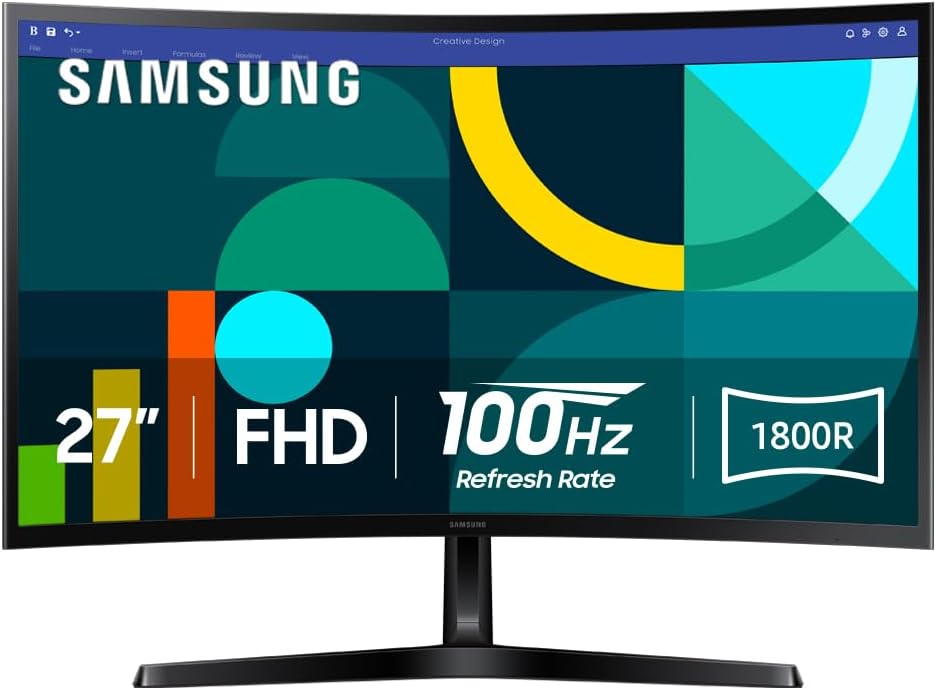
Curved earns its keep on ultrawides, where the far edges would otherwise sit at an awkward angle. On a standard 24–27 inch screen the curve is mostly cosmetic. If you do design work where straight lines must look straight, stay flat.
What size monitor for a normal desk?
27 inches at 1440p is the comfortable middle for most desks — sharp enough at arm's length without forcing you to turn your head. Go 32 inches only if your desk is deep enough to sit back from it.
What are the best monitors right now?
Our top pick is the Dell UltraSharp U2723QE. The UltraSharp U2723QE delivers true 4K clarity on an IPS Black panel and consolidates power, video, and peripherals into a single USB‑C connection, outclassing standard 4K monitors.
How much should I spend on monitors?
Across the 83 models we compare here, typical street prices run from $323.10 at the low end up to $180–$230. Most people are best served in the middle bracket — the cheapest option usually gives up build quality, the most expensive buys refinement you only notice with daily use.
Are budget monitors worth buying?
For light or occasional use, yes — the BenQ GW2790 covers the basics. If you use it every working day, stepping up one bracket is usually the cheaper decision over a couple of years.