SmartPicks
How to Choose a Monitor Arm (Single & Dual)

Disclosure: this page contains affiliate links. If you buy through them, we may earn a commission at no extra cost to you. We only recommend products we would use ourselves.
If you’re setting up a home office, the phrase “how to choose a monitor arm” probably pops up in every forum you read. A good arm can free up desk space, improve ergonomics, and let you switch between portrait and landscape modes without a struggle. Below you’ll find everything I’ve learned from years of configuring workstations, from the nitty‑gritty specs to the little‑but‑important details that separate a $30 budget mount from a $300 premium system.
Quick picks
| Need | Recommendation |
|---|---|
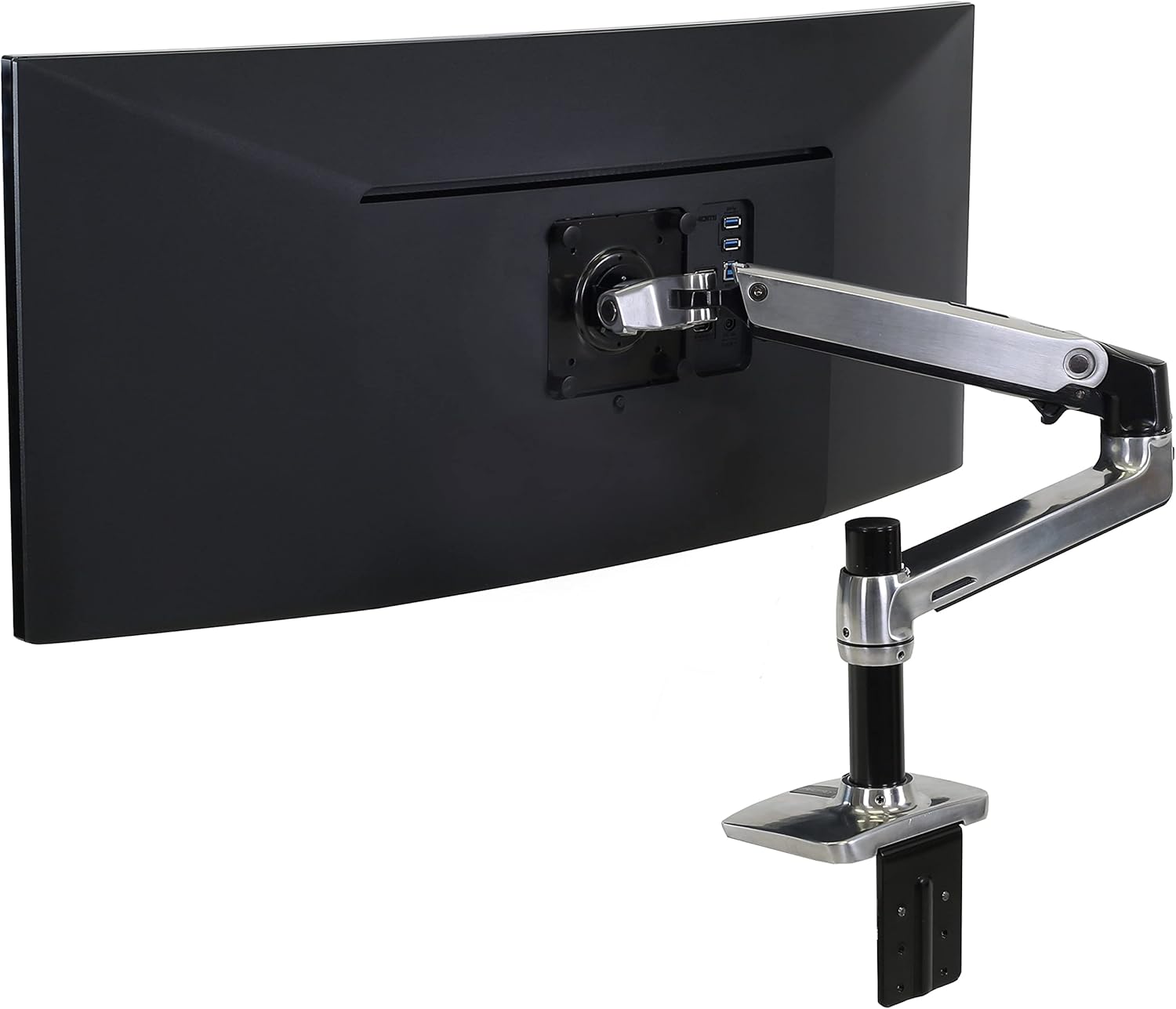
| Best overall | Ergotron LX – gas‑spring smoothness, heavy‑screen capacity, solid build |
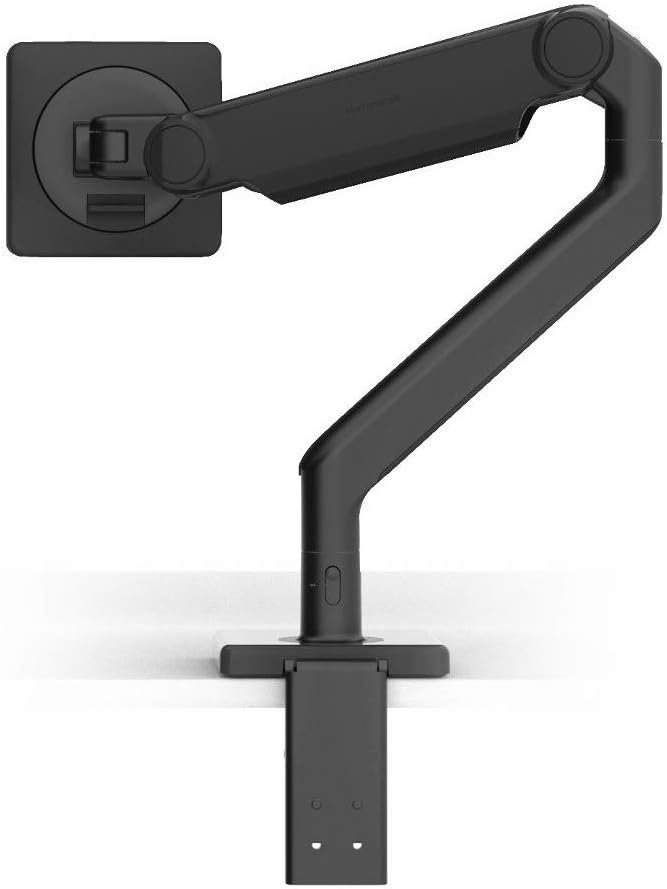
| Premium pick | Humanscale M2.1 – counter‑balance system, ultra‑sleek profile |
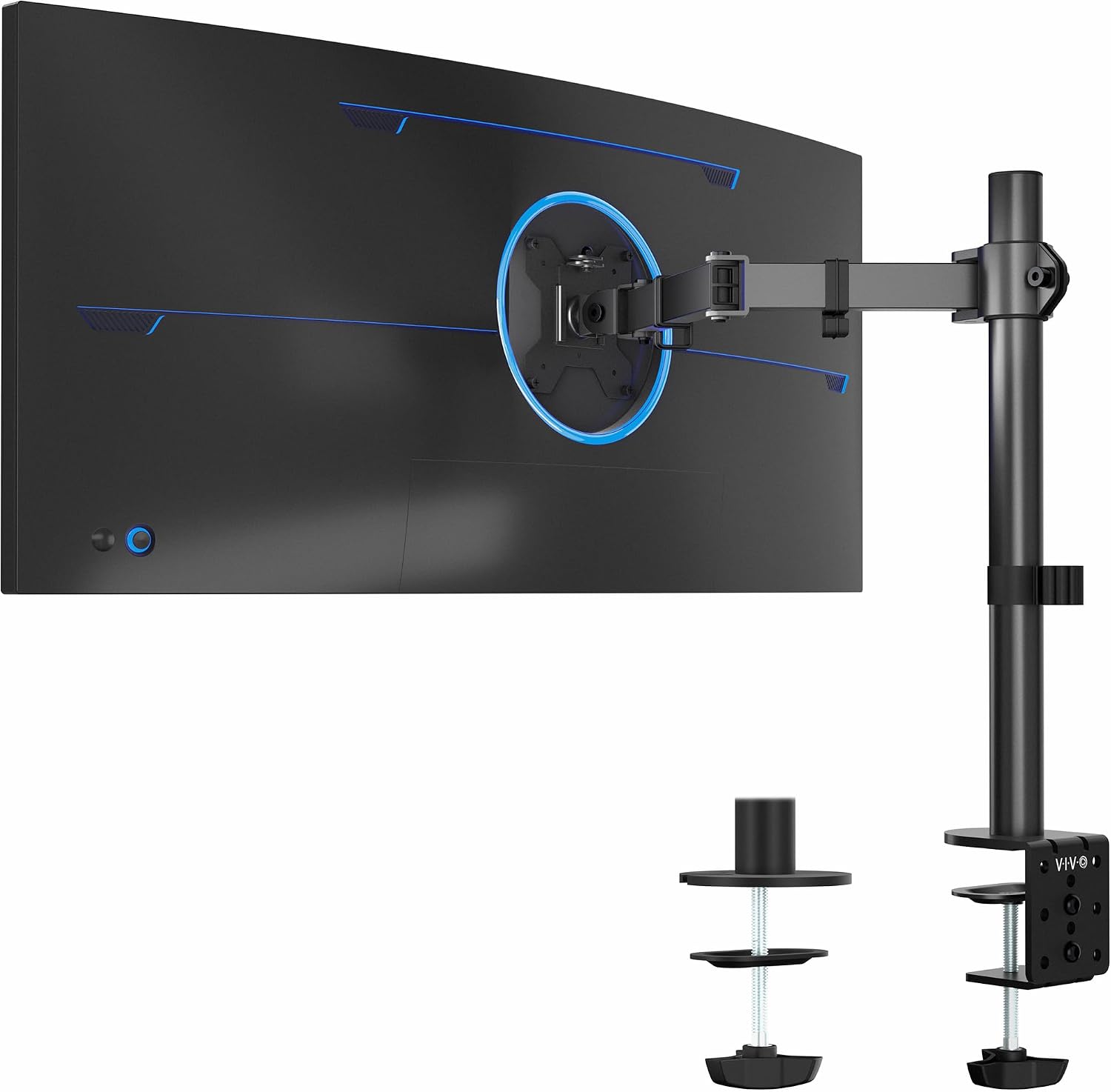
| Best value | VIVO Single Arm – budget‑friendly, easy install, works for most 13‑27‑inch monitors |
| Best for dual setups | Fully Jarvis Monitor Arm – sturdy aluminum, dual‑mount options, generous reach |
Comparison at a glance
| Product | Type | Max Weight (per arm) | VESA Compatibility | Mount Style | Height Adjustment | Reach (extension) | Tilt / Swivel / Rotation | Cable Management | Approx. Price* | Rating |
|---|---|---|---|---|---|---|---|---|---|---|
| Ergotron LX | Single | 25 lb (11.3 kg) | 75×75 mm, 100×100 mm | Clamp or grommet | 13–31 in (33–79 cm) | 20 in (51 cm) | Tilt ± 90°, Swivel ± 90°, Rotation 0–360° | Integrated clips + routing channel | $150–$200 | 4.6/5 |
| Humanscale M2.1 | Single | 30 lb (13.6 kg) | 75×75 mm, 100×100 mm, 200×100 mm (optional) | Clamp only (dual‑post) | 12–33 in (30–84 cm) | 22 in (56 cm) | Tilt ± 85°, Swivel ± 90°, Rotation 0–360° | Concealed cable channel, magnetic clips | $300–$350 | 4.6/5 |
| VIVO Single Arm | Single | 22 lb (10 kg) | 75×75 mm, 100×100 mm | Clamp or grommet | 10–30 in (25–76 cm) | 18 in (46 cm) | Tilt ± 90°, Swivel ± 90°, Rotation 0–360° | Basic zip‑tie slots | $30–$45 | 4.2/5 |
| Fully Jarvis | Dual (single‑arm sold separately) | 19.8 lb (9 kg) per arm | 75×75 mm, 100×100 mm | Clamp or grommet | 13–32 in (33–81 cm) | 23 in (58 cm) | Tilt ± 90°, Swivel ± 90°, Rotation 0–360° | Built‑in cable management with rubber grommets | $120–$180 | 4.6/5 |
\*Prices are typical retail ranges in the U.S.; they fluctuate with sales and bundles.
What to look for
Choosing the right arm is less about brand loyalty and more about matching a handful of technical specs to your workspace. Below I break down each criterion, give you the numbers you’ll actually use, and explain why those numbers matter.
VESA compatibility
Most modern monitors use a standardized VESA mounting pattern measured in millimeters. The two most common sizes are 75 mm × 75 mm (small laptops, 13‑15‑inch screens) and 100 mm × 100 mm (most 24‑27‑inch desktop monitors). Larger ultrawides or professional panels may require 200 mm × 100 mm or even 200 mm × 200 mm.
- Why it matters: If your monitor’s pattern doesn’t line up with the arm’s mounting plate, you’ll need an adapter, which adds cost and potential wobble.
- Rule of thumb: Verify the pattern printed on the back of your monitor (usually near the power port) and compare it to the arm’s spec sheet. Most mid‑range arms support 75 × 75 mm and 100 × 100 mm; premium arms often add 200 × 100 mm.
Weight capacity
Every arm has a maximum static load—the heaviest monitor it can hold without sagging. This is listed in pounds (lb) or kilograms (kg). Remember that the static load is different from dynamic load (the force when you swing the arm). A good rule is to stay 10–15 % below the listed max to preserve the gas‑spring’s longevity.
| Typical monitor weight | Approx. weight |
|---|---|
| 24‑inch 1080p LCD | 8–12 lb (3.6–5.4 kg) |
| 27‑inch 1440p IPS | 12–15 lb (5.4–6.8 kg) |
| 34‑inch ultrawide (34‑inch 1440p) | 18–22 lb (8.2–10 kg) |
| 32‑inch 4K HDR | 15–20 lb (6.8–9 kg) |
- Why it matters: An arm that’s marginally rated for your monitor may droop over time, especially if you frequently adjust height. Choose an arm with at least a 5‑lb safety margin.
Mount style: Clamp vs. Grommet
- Clamp (C‑clamp): Attaches to the edge of a desk, typically 0.5–2 in (1.3–5 cm) thick. It’s ideal for desks that can’t be drilled, like rented apartments or standing desks.
- Grommet: Slides through a pre‑drilled hole (usually 1.5–2 in diameter). Provides a cleaner look and can handle higher torque because the load is distributed through the desk’s thickness.
Trade‑offs
| Feature | Clamp | Gromet |
|---|---|---|
| Installation ease | Very easy, no drilling | Requires drilling (or existing hole) |
| Load capacity | Slightly lower (up to ~20 lb) | Higher (up to ~30 lb) |
| Desk stability | Depends on edge grip | Generally more rigid |
| Aesthetics | Visible bracket | Flush with desk surface |
If your desk is thin (< 0.75 in) or you share the workspace, a clamp with a wide jaw is safer. For a solid wood or thick metal desk, a grommet gives a more permanent feel.
Height adjustment range
The vertical travel determines whether you can achieve a true ergonomic neutral posture—eyes level with the top third of the screen, elbows at 90°. Most arms list a range in inches (or centimeters) from the lowest to the highest point the monitor center can travel.
- Typical low end: 10–13 in (25–33 cm) from the desk surface.
- Typical high end: 30–33 in (76–84 cm) from the desk surface.
If you have a sitting‑standing desk, look for an arm that clears at least 30 in so you can keep the monitor at eye level when the desk is fully raised (often 42–48 in high).
Reach (extension) and horizontal travel
Reach is the distance the monitor can be pulled out from the desk edge. It’s crucial for:
- Portrait mode: You’ll need extra arm length to keep the monitor stable when rotated.
- Dual‑monitor setups: The outer monitor often needs more extension to avoid crowding.
Most single‑arm models extend 18–23 in (45–58 cm). Dual‑arm kits may have a shared base that allows each arm to slide independently, offering a combined width of up to 48 in.
Tilt, swivel, and rotation
- Tilt: Angle up/down. A range of ± 90° lets you fully lay the screen flat (useful for drawing tablets) or tilt it back for a comfortable view.
- Swivel: Side‑to‑side rotation on a vertical axis. ± 90° is standard; some premium arms reach ± 120°.
- Rotation (pivot): Rotating the screen from landscape to portrait. 0–360° rotation means you can lock it in any orientation, which is handy for coding or reading long documents.
Build material and durability
- Aluminum: Light, corrosion‑resistant, often used in higher‑priced arms (e.g., Fully Jarvis). Feels premium and can support heavier loads.
- Steel/iron: Heavier, more rigid, typically found in budget models. May develop rust if the finish is poor.
- Plastic composites: Used for internal moving parts (gas springs, joints). Look for reinforced polymer to avoid cracking under repeated motion.
Cable management
A well‑designed arm will hide power, HDMI, DisplayPort, and USB cables. Look for:
- Integrated clips or channels that keep cables in a single line.
- Magnetic or rubber grommets that seal the gap where the arm passes through the desk.
- Weight‑bearing cable trays that don’t sag when you pull the monitor back.
Ease of installation
- Tool‑free assembly: Some arms come with a single allen key and pre‑drilled holes.
- Instruction clarity: Clear diagrams and step‑by‑step PDFs reduce the chance of a mis‑drilled hole.
- Adjustment lock mechanisms: Lever‑locks are quicker than thumb‑screws, especially when you need to re‑position often.
Warranty and customer support
- Standard warranty: 3‑year coverage is common for mid‑range arms; premium arms often offer 5‑year or “lifetime” warranties.
- Support channels: Phone, live chat, and an online parts store can be lifesavers if a gas spring loses pressure after a year of heavy use.
Ergotron LX – Best overall
Who it suits I recommend the Ergotron LX to anyone who needs a reliable, heavy‑duty single arm for a 24‑ to 27‑inch monitor, or even a 32‑inch 4K panel. It’s a solid choice for freelancers who spend 8+ hours a day at the desk and want a smooth, gas‑spring feel without paying premium‑brand prices.
One thing it does better than the rest The LX’s gas‑spring mechanism provides near‑instant movement while maintaining a “near‑bulletproof” build quality. You can lift a 25‑lb monitor from a low to a high position with just a gentle pull, and the arm stays put without wobble.
Honest drawback The clamp is a bit bulky; on narrow desks (under 24 in deep) the C‑clamp can interfere with keyboard placement. You may need to reposition your keyboard or use a desk riser.
Who should skip it If you’re on a shoestring budget (under $50) or have a tiny laptop screen (13‑inch) that barely needs a mount, the LX is overkill. A simpler VIVO or a wall‑mount would be more economical.
Humanscale M2.1 – Premium pick
Who it suits The M2.1 shines for design professionals, architects, and anyone who values a minimalist aesthetic. Its sleek, low‑profile arm fits well in modern home offices where the mount itself should be invisible.
One thing it does better than the rest Its counterbalance system (instead of a traditional gas spring) delivers effortless adjustments—no audible hissing, no sudden drops. The arm feels weightless, and the sleek dual‑post clamp distributes load across a larger desk area, allowing up to 30 lb monitors.
Honest drawback The price tag is steep, and the clamp only works on desks at least 1 in thick. If you have a thin laminate surface, you’ll need a grommet adapter kit, which adds extra cost.
Who should skip it If you’re a student or a remote worker with a modest budget, the M2.1’s premium features may not justify the expense. A reliable Ergotron or Fully Jarvis will give you similar ergonomics for far less money.
VIVO Single Arm – Best value
Who it suits The VIVO is perfect for budget‑conscious home‑office builders, gamers on a tight budget, or anyone who only needs to mount a single 13‑ to 27‑inch monitor. I’ve used it on a 24‑inch 1080p panel for three years with no major issues.
One thing it does better than the rest Its price‑to‑performance ratio is unbeatable. For under $45 you get a clamp‑or‑grommet option, a decent 22‑lb capacity, and basic cable routing—all the essentials without any frills.
Honest drawback The cable management is basic: simple zip‑tie slots rather than integrated channels. In a cluttered setup you’ll see a few stray cords, which can be a visual distraction.
Who should skip it If you plan to mount a large ultrawide (34‑inch or larger) or a dual‑monitor array, the VIVO’s weight limit and reach will feel restrictive. You’ll also want a more robust clamp if you have a very thin desk.
Fully Jarvis Monitor Arm – Best for dual setups
Who it suits I love the Jarvis for dual‑monitor workstations where each screen is 24‑27 in and you need the flexibility to swivel one monitor independently. It also works well for a single heavy 32‑inch 4K if you purchase the single‑arm version.
One thing it does better than the rest Its dual‑mount options (single‑arm, dual‑arm, and a “bridge” kit) let you expand from one to two monitors without buying a second base. The aluminum construction feels premium, and the integrated cable management is more sophisticated than the VIVO’s.
Honest drawback The gas‑spring can feel slightly “stiff” when you first adjust height, especially with a 19‑lb monitor. It’s not a defect, just a characteristic of the spring’s design for higher load capacity.
Who should skip it If you only need a single monitor and have a very tight budget, the Jarvis’s price (even at the lower end) may be unnecessary. Also, if your desk is under 0.75 in thick, you’ll need the clamp version, which is bulkier than a grommet mount.
Common mistakes
1. Ignoring the monitor’s VESA pattern – I’ve seen people buy a high‑end arm only to discover the mounting plate won’t line up, forcing a pricey adapter or a return. 2. Overloading the arm – Adding a heavy monitor plus a webcam, USB hub, and a decorative lamp on the same arm can exceed the static load rating, causing sag. 3. Choosing the wrong mount style for desk thickness – A clamp on a 0.5‑in thick desk will slip; a grommet on a desk without a pre‑drilled hole means you’ll have to drill, which can be a nightmare in a rented space. 4. Neglecting cable management – Loose cables can snag when you swivel, leading to wear on the ports. Pick an arm with integrated routing or plan extra zip‑ties. 5. Not accounting for desk depth – If your desk is only 20 in deep, an arm that extends 23 in will push the monitor past the edge, making it unstable. 6. Assuming “gas‑spring = silent” – Some cheaper gas‑springs hiss noticeably; if you share a quiet office or record video calls, that noise can be distracting.
How to match it to your budget
| Budget tier | Recommended arm(s) | What you gain | What you sacrifice |
|---|---|---|---|
| $30‑$60 | VIVO Single Arm | Basic clamp/grommet, decent weight capacity, simple installation | Minimal cable management, less refined gas spring |
| $100‑$180 | Fully Jarvis (single or dual) | Aluminum build, dual‑mount flexibility, better cable routing | Slightly stiffer spring, higher price than VIVO |
| $150‑$200 | Ergotron LX | Smooth gas‑spring, robust clamp, wide height range | Clamp can be bulky on thin desks |
| $300+ | Humanscale M2.1 | Counterbalance system, ultra‑sleek profile, high load capacity | Requires thicker desk, premium price |
When you’re deciding, start by listing your non‑negotiables (weight, desk thickness, single vs dual) and then see which tier satisfies them. If you’re on the fence between two models, the one with a longer warranty is usually the safer long‑term investment.
Who should skip this
- Laptop‑only users who rely on a built‑in stand or a portable riser.
- People with extremely shallow desks (< 18 in depth) where any arm would extend beyond the edge.
- Renters who cannot drill and have a desk that’s too thin for a secure clamp.
- Anyone who experiences chronic neck or back pain and needs a medical‑grade ergonomic solution—consult a physical therapist before relying solely on a monitor arm.
FAQ
Q1: Can a monitor arm help reduce neck pain? A: Raising the screen to eye level and allowing you to tilt it reduces the need to hunch. A properly adjusted arm can improve posture, but if pain persists you should see a doctor or physical therapist.
Q2: My desk is only 0.6 in thick. Which mount style works best? A: A clamp with a wide jaw is your only option on a thin desk. Look for a model that advertises compatibility with desks as thin as 0.5 in (e.g., VIVO or a clamp‑only version of the Ergotron LX). Avoid grommet mounts unless you can add a reinforcement plate.
Q3: I have a 34‑inch ultrawide (21 lb). Will the Fully Jarvis support it? A: Yes, the Jarvis single‑arm version is rated for up to 19.8 lb, so a 21‑lb ultrawide would be slightly over. In that case, the Ergotron LX (25 lb capacity) or Humanscale M2.1 (30 lb) are safer choices.
Q4: I share a small home office with my partner. How can a monitor arm keep the space tidy? A: Choose an arm with integrated cable management (Ergotron LX, Fully Jarvis, or Humanscale). Keep the arm’s clamp low on the desk edge to free up surface area, and use the swivel function to angle the screen away when not in use.
Q5: Will the gas‑spring mechanism make noise during adjustments? A: High‑quality gas springs (Ergotron LX, Fully Jarvis) are relatively quiet, producing a faint hissing that’s usually inaudible in a normal office. Cheaper arms may hiss louder; if you record video calls, test the arm before buying.
Q6: I have a standing desk that raises to 48 in. Do I need a special arm? A: Look for an arm with a height adjustment range that reaches at least 30 in from the desk surface. Both the Ergotron LX and Humanscale M2.1 exceed this, ensuring the monitor stays at eye level when the desk is fully raised.
The bottom line
Choosing a monitor arm boils down to weight capacity, mount style, and adjustability. The Ergotron LX gives you a smooth, heavy‑duty experience for most single‑monitor setups. If you crave a sleek look and counter‑balance feel, the Humanscale M2.1 is worth the premium. On a shoestring, the VIVO delivers solid basics, while the Fully Jarvis shines when you need dual‑monitor flexibility. Match the specs to your desk, monitor, and budget, and you’ll end up with a workstation that feels custom‑built—without the custom price tag.
Browse every monitor arms on Amazon
Our picks are the ones we would buy — but if none of them fit your desk or budget, here is the full range with live prices and customer reviews.
🔎 See all monitor arms on Amazon →Common questions
Will a monitor arm help my neck?
It helps because it lets you put the screen where your neck wants it — top of the screen at or just below eye level, about an arm's length away. A stack of books does the same thing; the arm just lets you adjust it without rebuilding the stack.
Will it fit my desk and my monitor?
Two checks before buying. The desk edge thickness must be inside the clamp range, and your monitor needs a VESA pattern (usually 75x75 or 100x100 mm). Also check the arm's weight range covers your screen — under-loading a stiff gas spring is as annoying as overloading it.
Single or dual arm?
Buy a single arm per monitor unless the desk is shallow. Dual arms on one mount share a base and the two screens fight each other every time you adjust one.
What are the best monitor arms right now?
Our top pick is the Ergotron LX. The Ergotron LX uses a gas‑spring mechanism for effortless movement and a near‑bulletproof build, letting you position heavy screens precisely while staying sturdy.
How much should I spend on monitor arms?
Across the 4 models we compare here, typical street prices run from $120–$180 at the low end up to $175.00. Most people are best served in the middle bracket — the cheapest option usually gives up build quality, the most expensive buys refinement you only notice with daily use.
Are budget monitor arms worth buying?
For light or occasional use, yes — the VIVO Single Arm covers the basics. If you use it every working day, stepping up one bracket is usually the cheaper decision over a couple of years.